
Peshawari Chapli Kabab Recipe (Khyber Shinwari Style, 2 kg Batch)
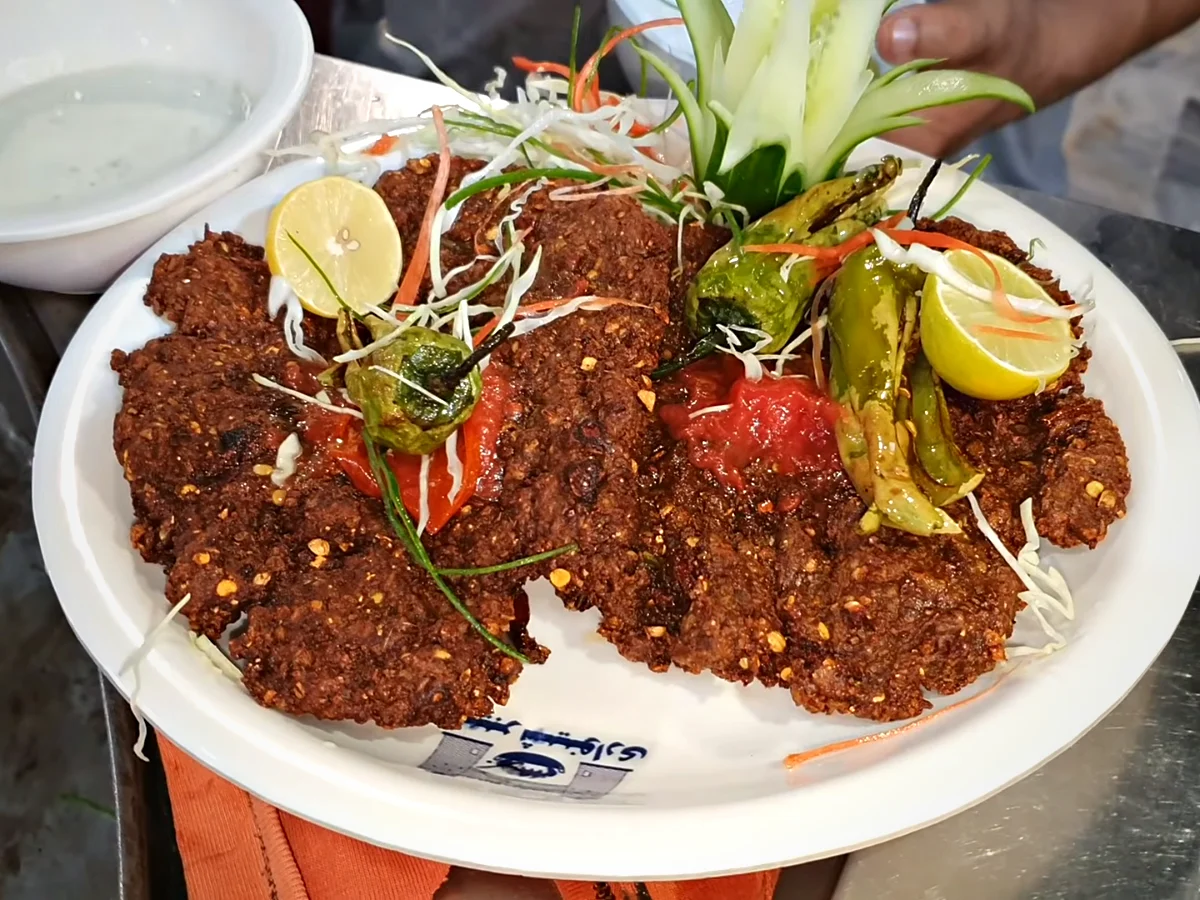
Peshawari chapli kabab the Khyber Shinwari way is all about patience: machine-ground mince, crushed whole spices, squeezed onion and maize flour, mixed in stages for almost half an hour before the kababs hit the karahi. We filmed this 2 kg batch at Khyber Shinwari Restaurant on the Super Highway in Karachi with a chef who has made chapli kabab there for 23 years.
Makes: about 20 medium kababs (our estimate) | Prep: 45 min incl. mixing + 30 min rest | Fry: 6–7 min per batch
Difficulty: Medium | Best for: Bakra Eid, dawats and weekend breakfasts
Heat level: Medium
Watch the Peshawari Chapli Kabab Video
The full video plays inside the recipe card below. To jump straight to one step, open it on YouTube:
What Makes Khyber Shinwari Chapli Kabab Different
Mince from the butcher’s machine. The chef insists on getting the mince from a butcher shop machine. He says a home blender does not give the same texture, and the machine mince is what keeps the kabab soft.
Almost 30 minutes of mixing. The mince is mixed alone first, then again after each addition: spices, half the onion, the rest of the onion, maize flour, and finally tomato and chilli. Each round takes 4 to 5 minutes, which is what gives the kabab its binding.
Maize flour instead of egg. 100 g of makai ka atta binds the 2 kg batch. Some cooks add eggs; this recipe uses only a few drops of water to make mixing easier.
Fried in a big karahi. The kababs are fried in a large karahi rather than on a flat tawa, with slit green chillies and tomato slices frying alongside.
Peshawari Chapli Kabab Ingredients
All the whole spices (cumin, coriander) are crushed, not powdered, which gives chapli kabab its crunchy bite. Anardana adds sourness, and baking soda keeps the kabab light. Squeeze as much water as you can out of the chopped onion using a clean cloth, or the mixture will go soft and the kababs can break.
| Ingredient | Khyber Shinwari batch2 kg mince (video) | Half batch1 kg mince (÷2) |
|---|---|---|
| Mince and vegetables | ||
| Beef or mutton mince, from a butcher machine | 2 kg | 1 kg |
| Onion, finely chopped, water squeezed out | 1 kg | 500 g |
| Tomatoes, finely chopped | 2 | 1 |
| Green chillies (medium), finely chopped | 2–3 | 1–2 |
| Spices | ||
| Cumin seeds, crushed | 3 tbsp | 1½ tbsp |
| Coriander seeds, crushed | 3 tbsp | 1½ tbsp |
| Poppy seeds (khashkhash) | ½ tsp | ¼ tsp |
| Carom seeds (ajwain) | ¼ tsp | a pinch |
| Anardana (dried pomegranate seeds) | 1 tsp | ½ tsp |
| Red chilli flakes | 2 tbsp | 1 tbsp |
| Salt | 1 tbsp or to taste | ½ tbsp or to taste |
| Baking soda | ¼ tsp | a pinch |
| Binder and frying | ||
| Maize flour (makai ka atta) | 100 g | 50 g |
| Water | a few drops | a few drops |
| Oil or fat for frying | deep karahi, amount not stated | enough to shallow fry* |
| To serve | ||
| Green chillies, slit and fried | 2–3 | 1–2 |
| Tomato slices, fried | 2–3 | 1–2 |
| Lemon | for serving | for serving |
The 2 kg column is exactly what the chef says or what appears on screen in the video. The half batch is simply divided by 2. Items marked * are not stated in the video and are our suggestion. The number of kababs is our estimate for medium, hand-flattened kababs.
Step-by-Step: How Khyber Shinwari Makes Chapli Kabab
1. Chop the onion, tomato and chillies
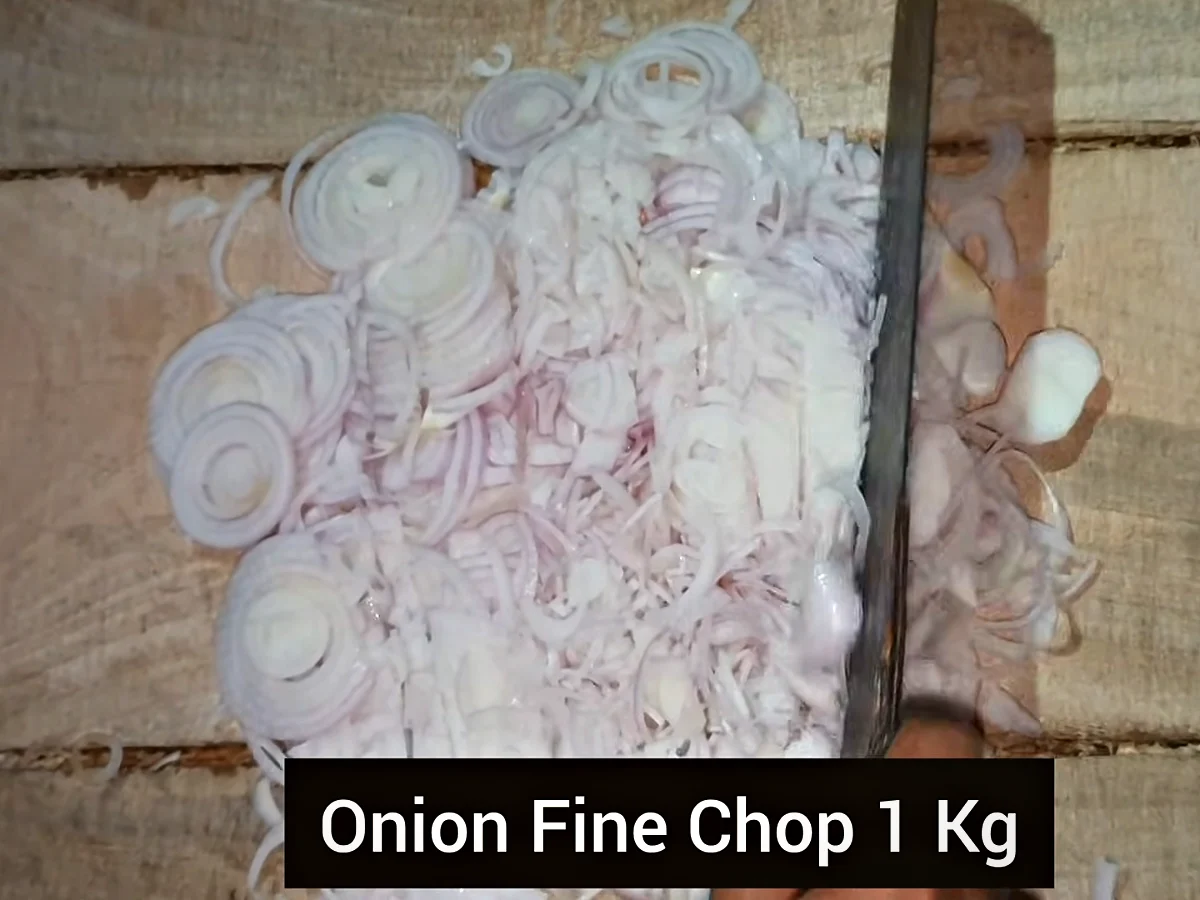
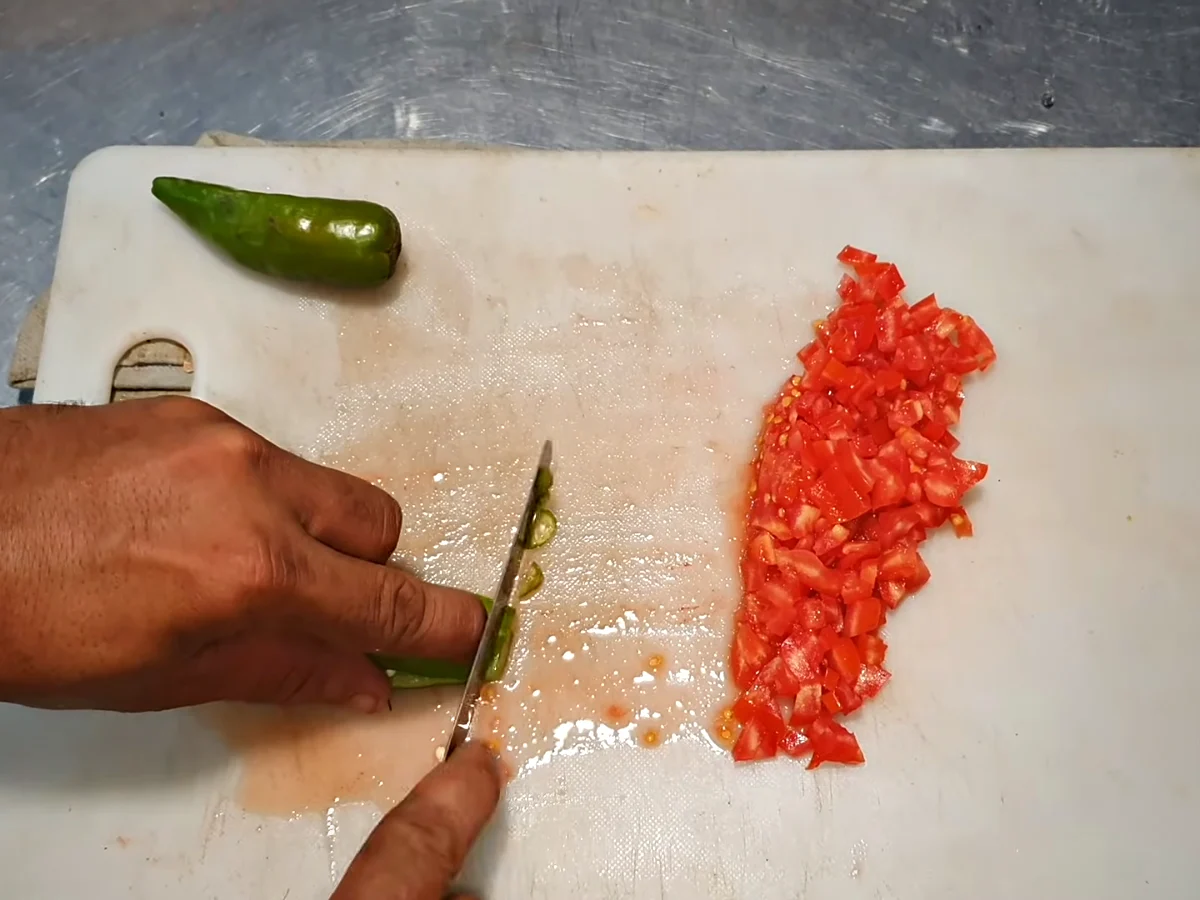
Chop 1 kg onion very finely and squeeze out its water with a cloth. Chop the two tomatoes and 2 to 3 medium green chillies just as finely and keep them aside; they go in last.
2. Use mince from a butcher’s machine
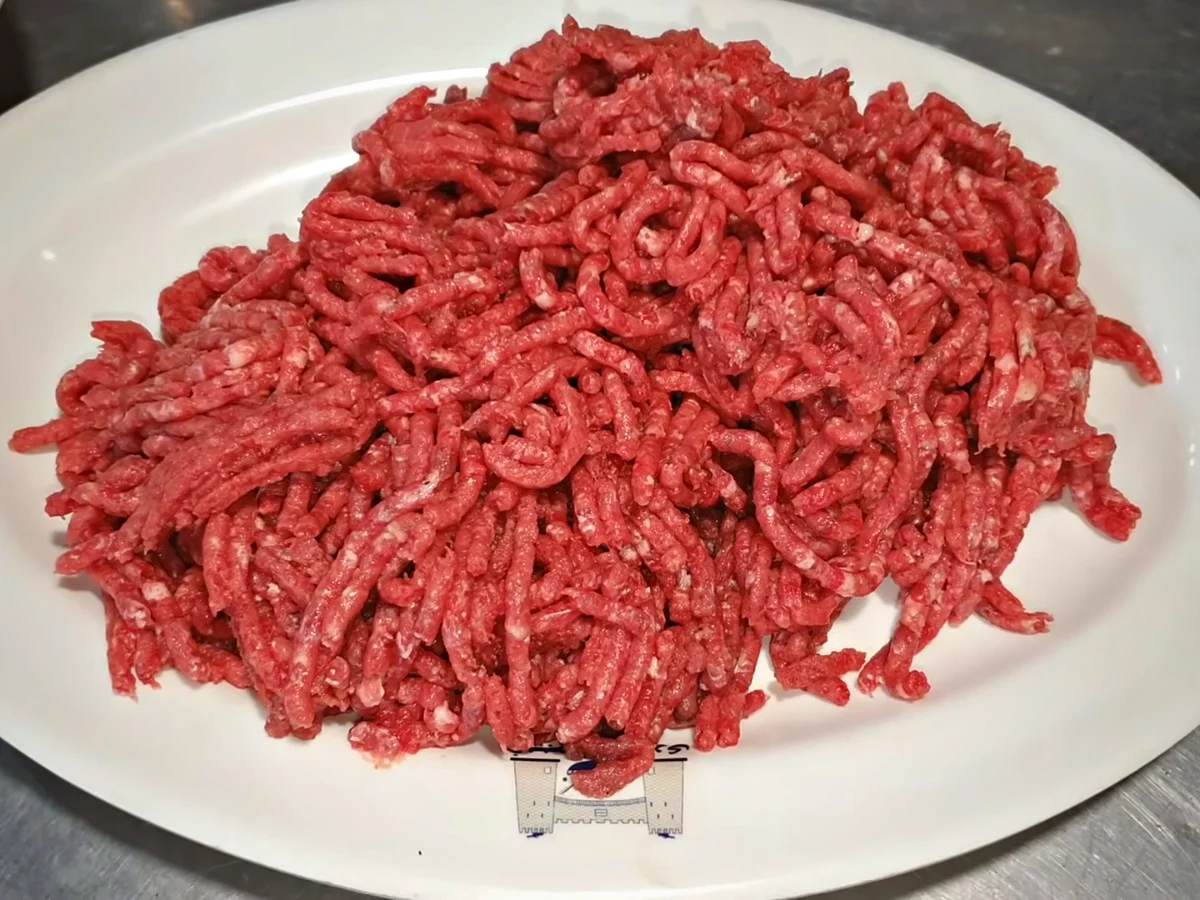
Take 2 kg beef (or mutton, if you prefer) and have it minced on the butcher’s machine. The chef says this one detail makes the biggest difference to softness.
3. Measure the spices
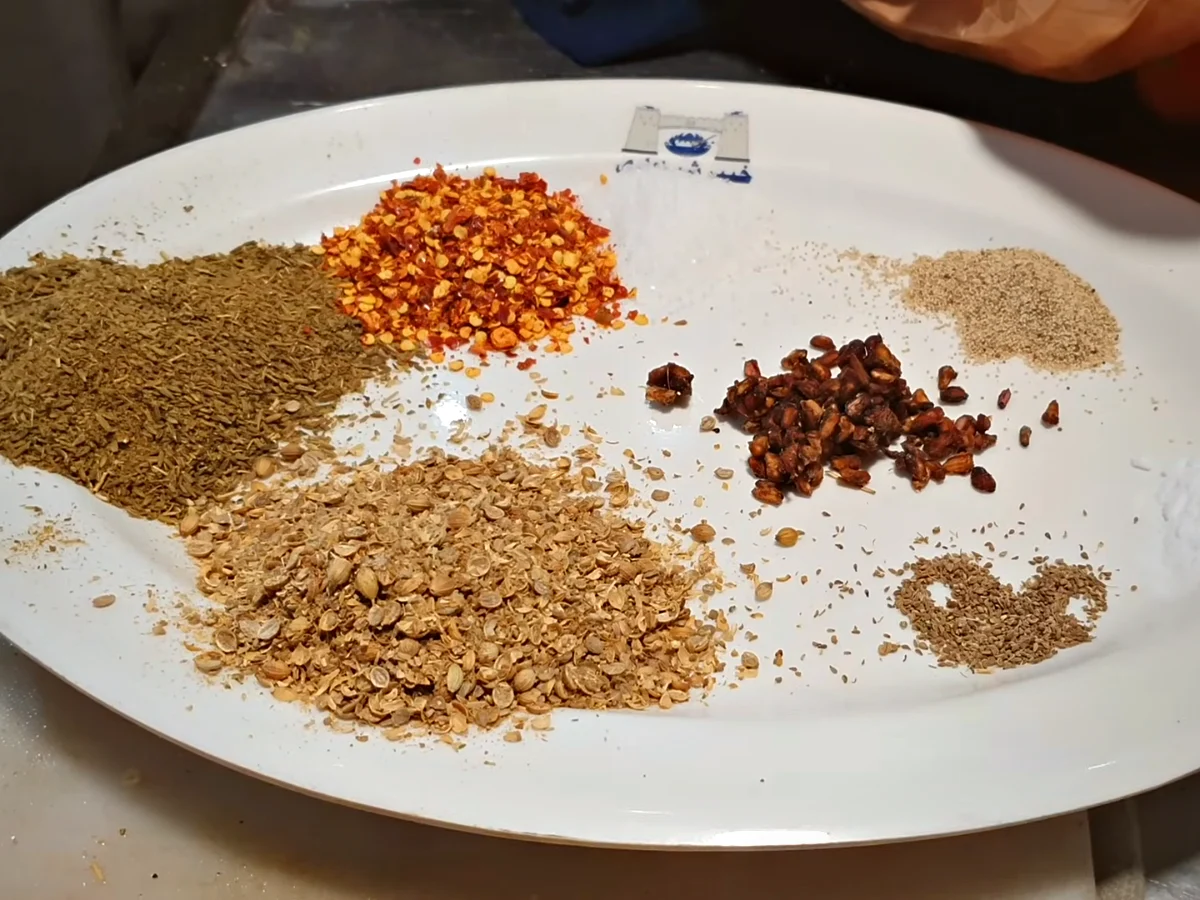
Crushed cumin, crushed coriander, poppy seeds, carom seeds, anardana, crushed red chilli, salt and baking soda. Measure everything onto one plate before you start mixing.
4. Mix the mince, then add the spices
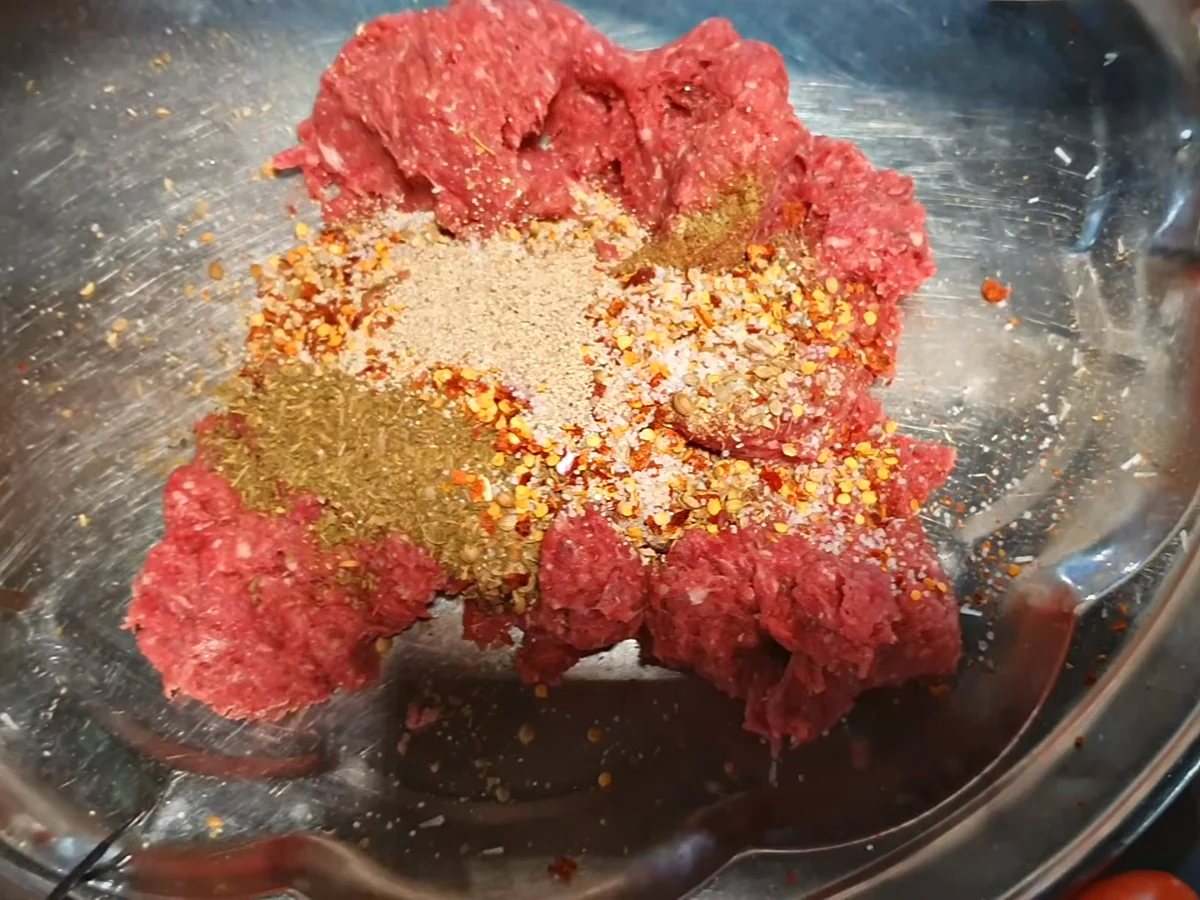
Mix the mince on its own for 4 to 5 minutes so it starts to bind. Then add all the spices and mix hard for another 4 to 5 minutes.
5. Add the onion in two portions
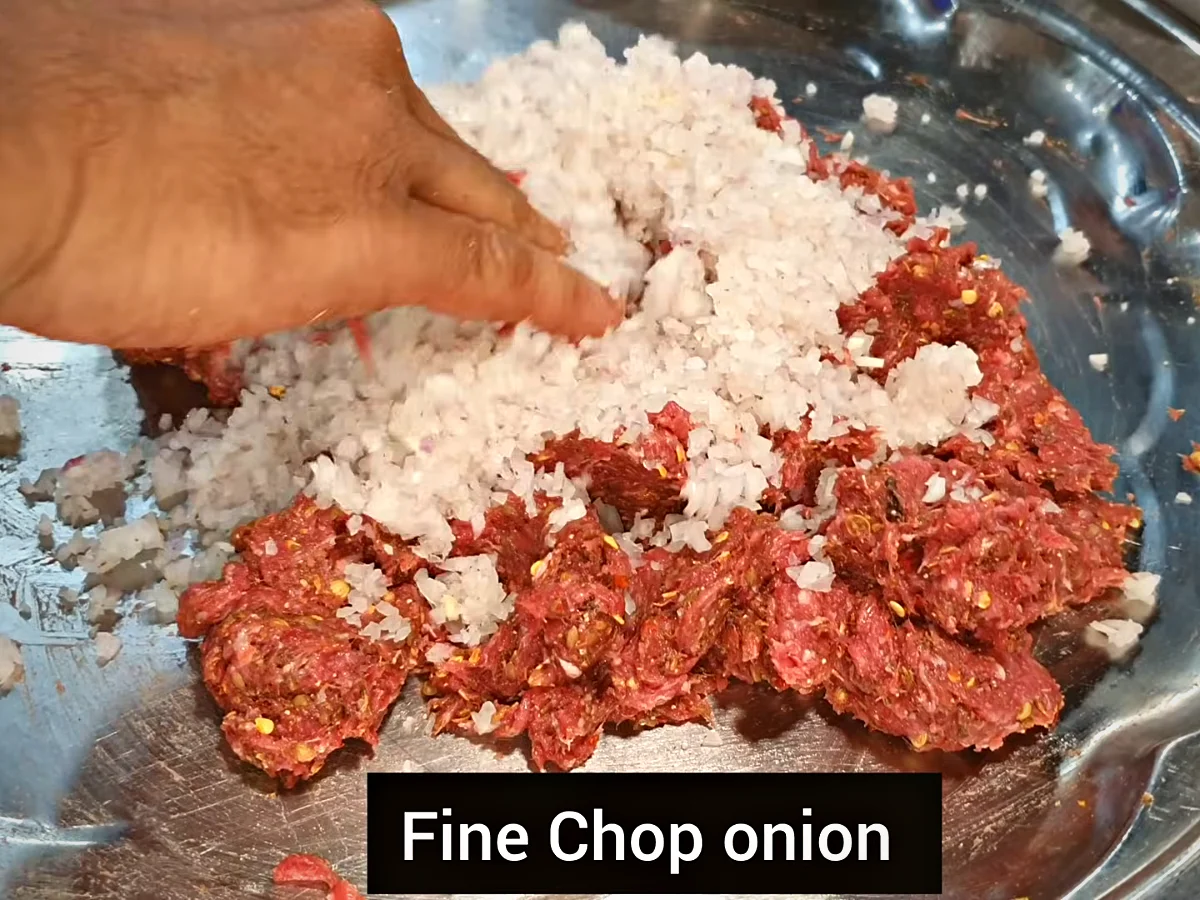
Add half the squeezed onion and mix for 4 to 5 minutes, until it binds with the meat and spices. Add the rest and mix for another 4 to 5 minutes.
6. Add maize flour and a few drops of water
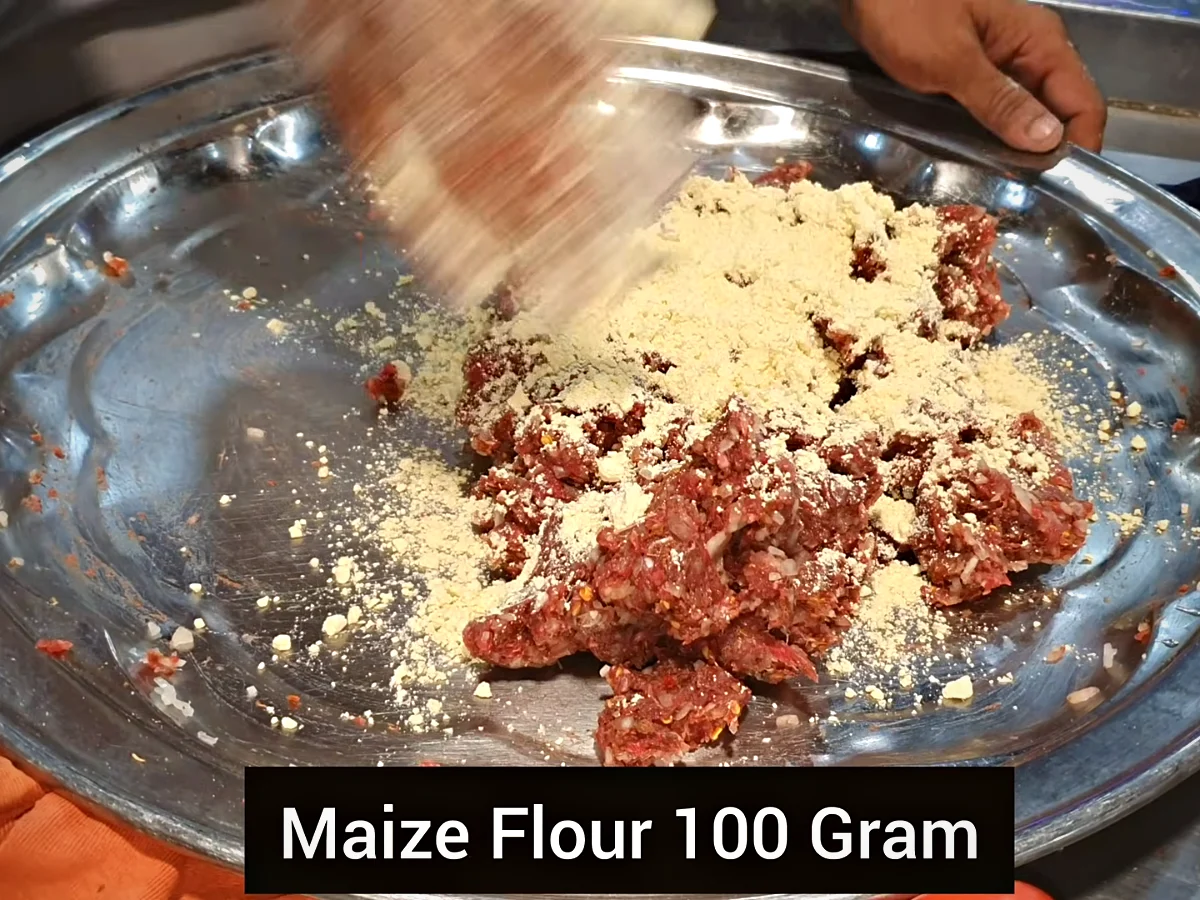
Add 100 g maize flour and mix for 4 to 5 minutes more. Sprinkle in a few drops of water only if the mixture is hard to work.
7. Add tomato and chilli, then rest
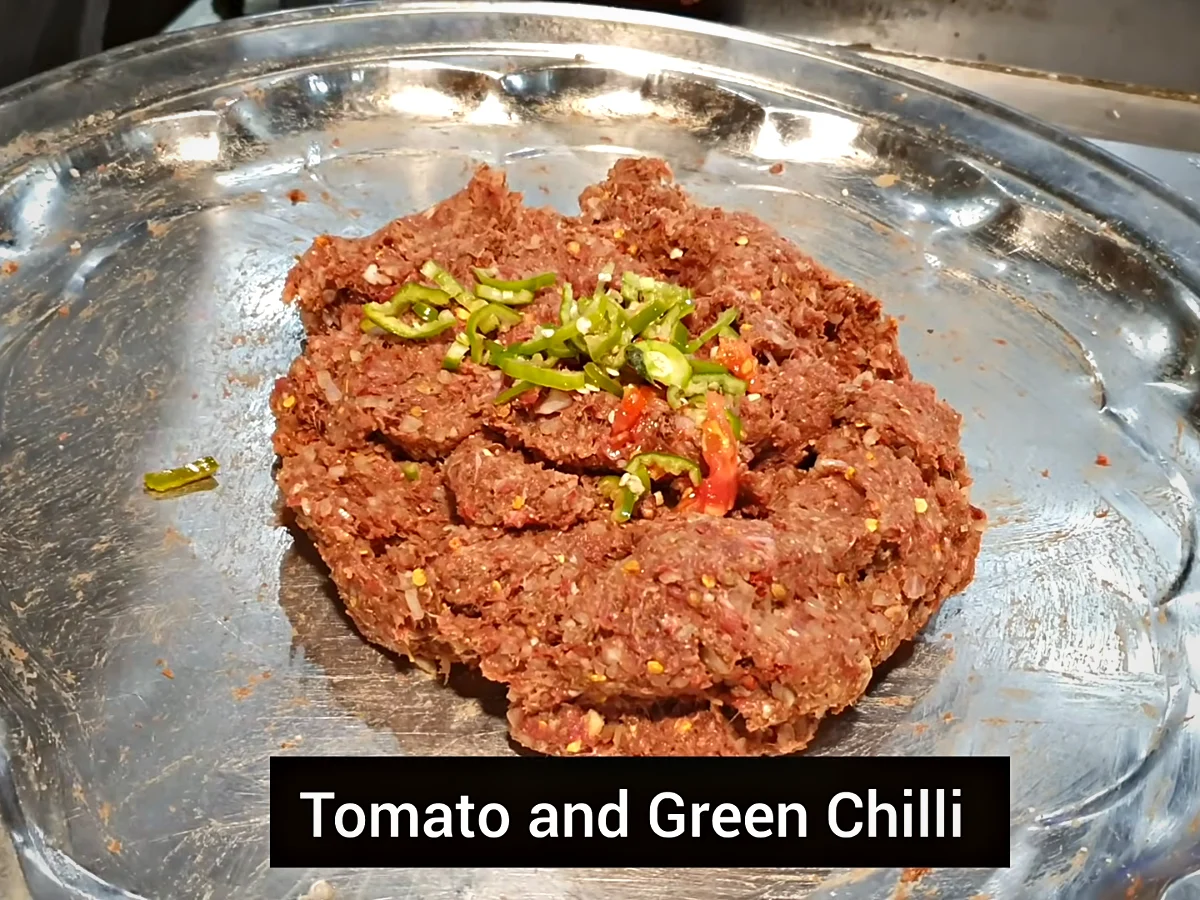
Add the chopped tomato and green chilli and mix for a final 4 to 5 minutes. Leave the mixture for half an hour at room temperature in a cool place, around 20–25°C, not somewhere hot.
8. Fry for 6 to 7 minutes
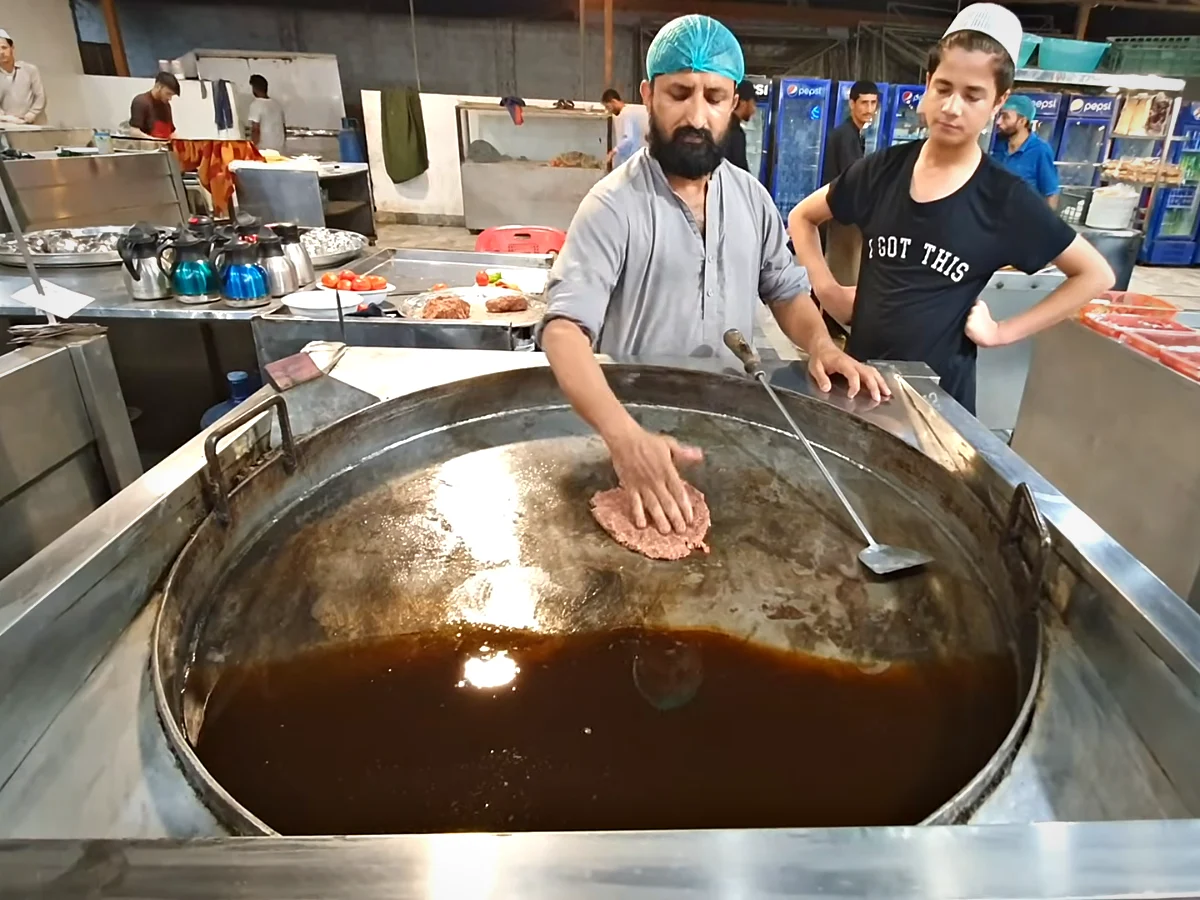
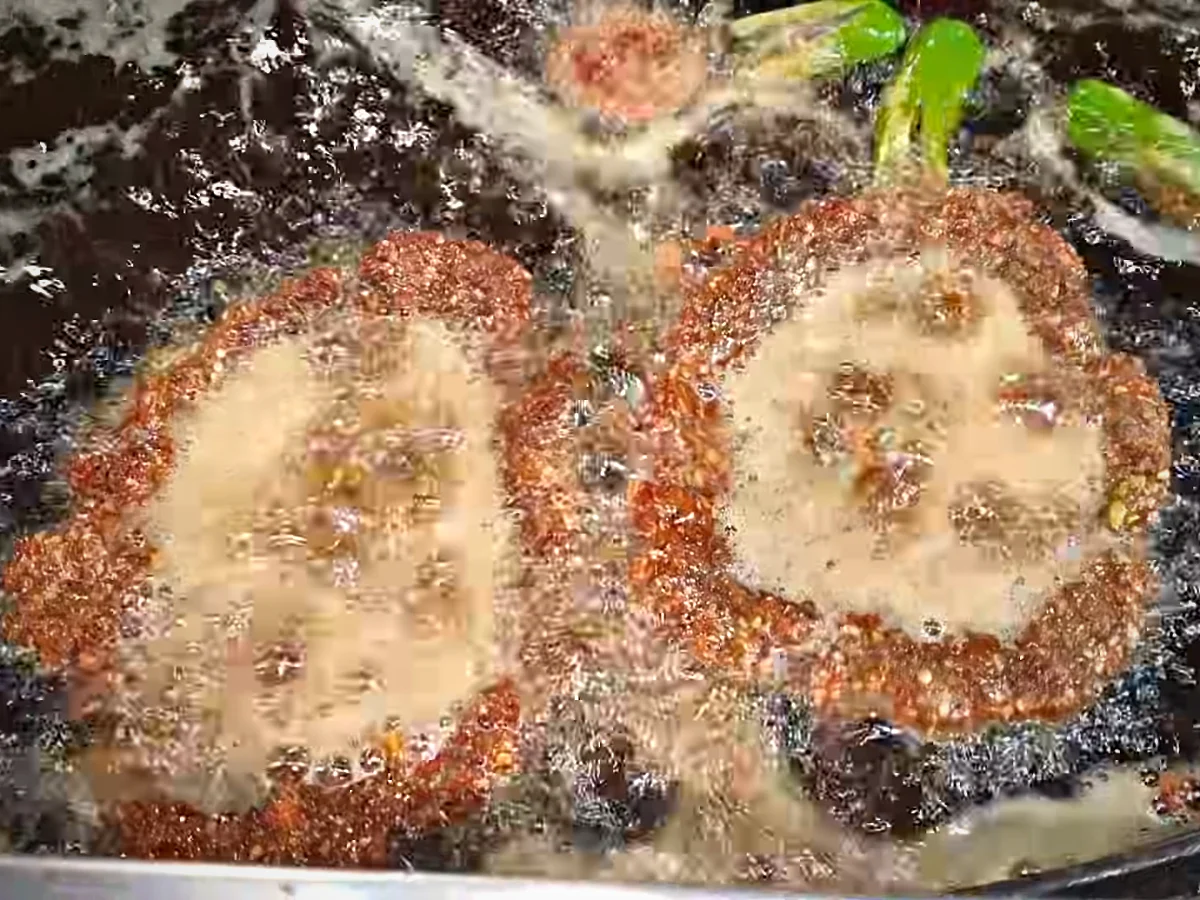
Flatten a portion of the mixture by hand into a thin, round kabab and slide it into the hot oil. Each kabab takes 6 to 7 minutes to fry through. Fry 2 to 3 slit green chillies and 2 to 3 tomato slices alongside.
9. Top with a fried tomato slice
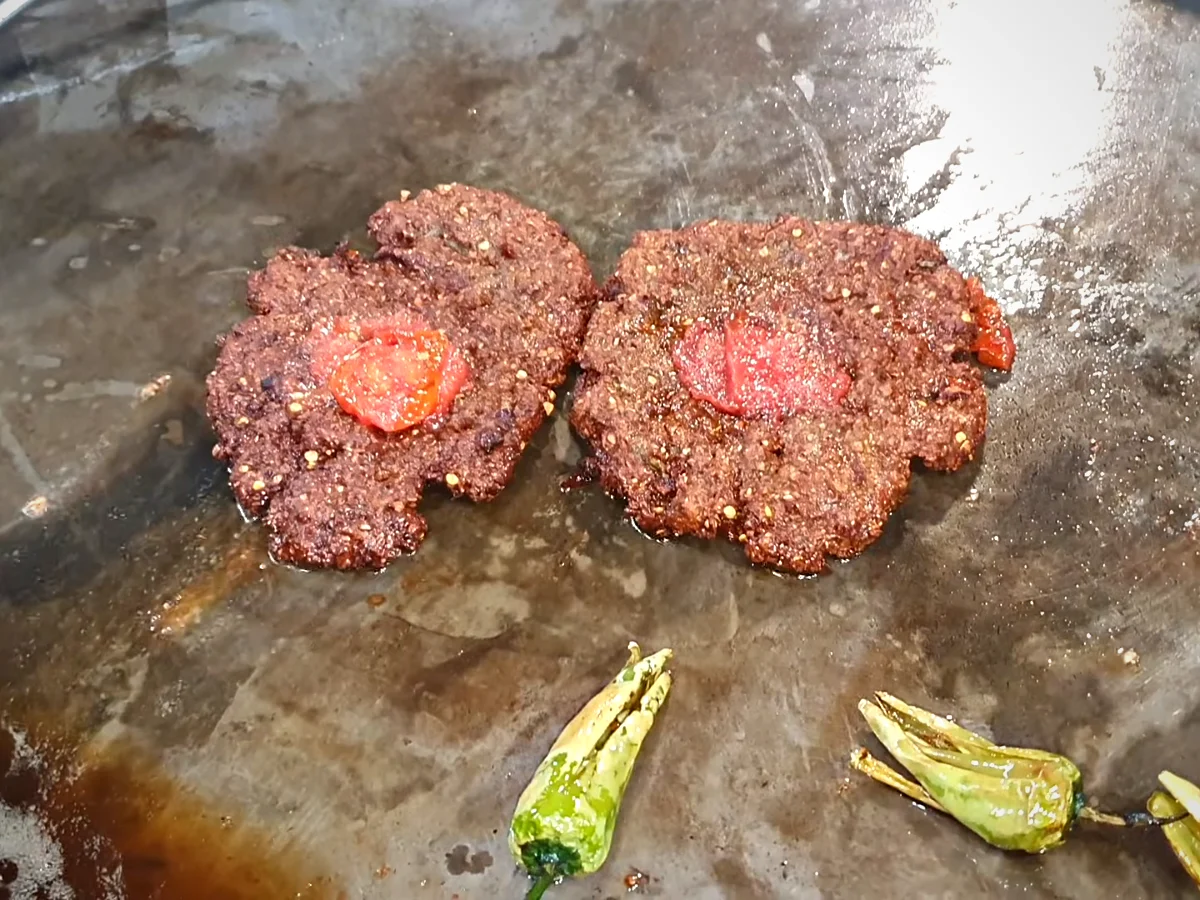
Once the tomato slices are soft, press one onto each kabab. Serve with the fried green chillies.
The Complete Peshawari Chapli Kabab Recipe
Peshawari Chapli Kabab (Khyber Shinwari, 2 kg)
Ingredients
Method
- Finely chop the onion and squeeze out its water with a cloth. Finely chop the tomatoes and green chillies and keep them aside.
- Use beef or mutton mince made on a butcher shop machine.
- Measure the crushed cumin, crushed coriander, poppy seeds, carom seeds, anardana, chilli flakes, salt and baking soda.
- Mix the mince alone for 4 to 5 minutes.
- Add all the spices and mix for 4 to 5 minutes.
- Add half the onion and mix for 4 to 5 minutes, then add the rest and mix for another 4 to 5 minutes.
- Add the maize flour and mix for 4 to 5 minutes, adding a few drops of water only if needed.
- Add the tomato and green chilli and mix for a final 4 to 5 minutes. Rest the mixture for 30 minutes in a cool place (20–25°C).
- Flatten portions into thin round kababs and fry in hot oil for 6 to 7 minutes each.
- Fry the slit green chillies and tomato slices alongside.
- Press a soft fried tomato slice onto each kabab and serve with the fried chillies and lemon.
Video
Notes
Chapli Kabab Problems and How to Fix Them
- Kabab breaks in the oil: the mixture was not mixed long enough, or the onion still held water. Give every stage its full 4 to 5 minutes and squeeze the onion well.
- Hard, dense kabab: the mince was made in a home blender. Use butcher-machine mince, as the chef recommends.
- Mixture too soft to shape: too much water. Add only a few drops, and let the mixture rest in a cool place.
- Raw in the middle: the kabab is too thick. Flatten it thinner and fry for the full 6 to 7 minutes.
Serving and Storing Chapli Kabab
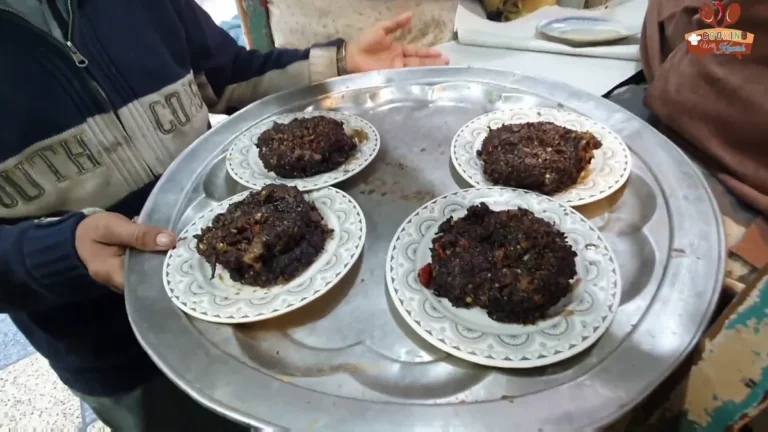
Khyber Shinwari serves chapli kabab with the fried tomato on top, fried green chillies, lemon, and a little salad on the side. It goes well with naan, raita and green chutney.
Our suggestion for storing: shape the uncooked kababs, freeze them flat between sheets of butter paper, and fry from frozen on medium heat. Cooked kababs keep in the fridge for 2 days; reheat them in a pan.
Peshawari Chapli Kabab FAQs
Can I make chapli kabab with mutton?
Yes. The chef says the same recipe works with beef or mutton; use whichever you prefer.
Why maize flour?
Maize flour (makai ka atta) binds the mince so the kababs hold their shape in the oil. This recipe uses 100 g for 2 kg of mince and no eggs.
Can I use a home blender for the mince?
You can, but the chef recommends mince from a butcher’s machine because a home blender does not give the same texture, and the kabab comes out less soft.
Why does the frying oil look dark?
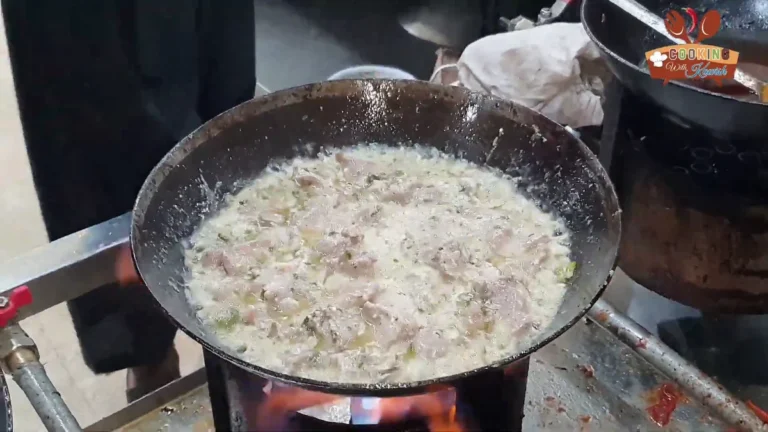
The chef explains that chapli kabab is often fried with fat, and the spices from thousands of kababs go into the oil, which makes it look dark. At Khyber Shinwari the oil is changed daily; it was changed in front of us during filming.
Where is Khyber Shinwari Restaurant?
On the Main Super Highway in Karachi. Coming from Sohrab Goth towards the Super Highway, it is on the left-hand side, a little before Jamali Pul.
5 Comments