Khan Jee Beef Chapli Kabab Recipe (750 g, Bakra Eid Special)
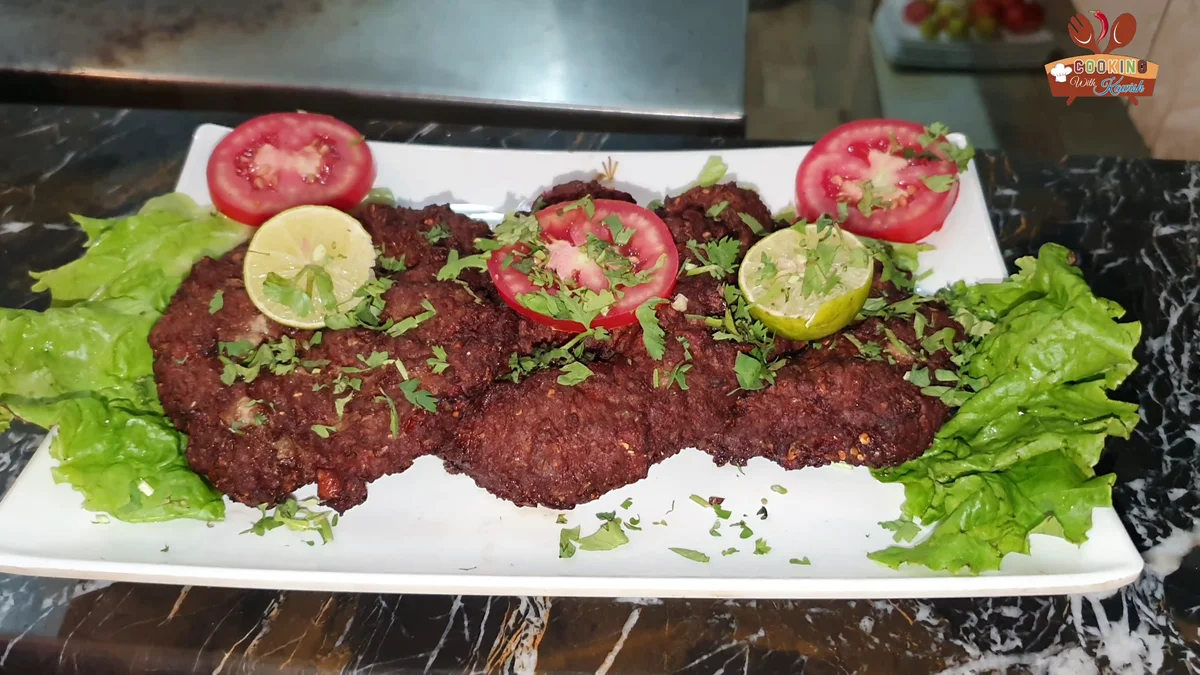
Khan Jee beef chapli kabab comes from Khan Jee Restaurant on Karachi’s Superhighway. It is a 750 g beef recipe that uses maize flour, plenty of onion and tomato, an egg and a homemade chapli kabab masala, then fries the kababs in a wide pan of oil. Every amount on this page is taken from the labels shown on screen in our video.
Serves: 4 | Prep: 30 min | Cook: 20 min
Difficulty: Easy (our estimate) | Best for: Bakra Eid, weekend dinners, guests
Heat level: medium (our estimate)
Watch the Khan Jee Beef Chapli Kabab Video
Each ingredient appears on screen with its amount. Useful points in the video:
What Makes the Khan Jee Chapli Kabab Different
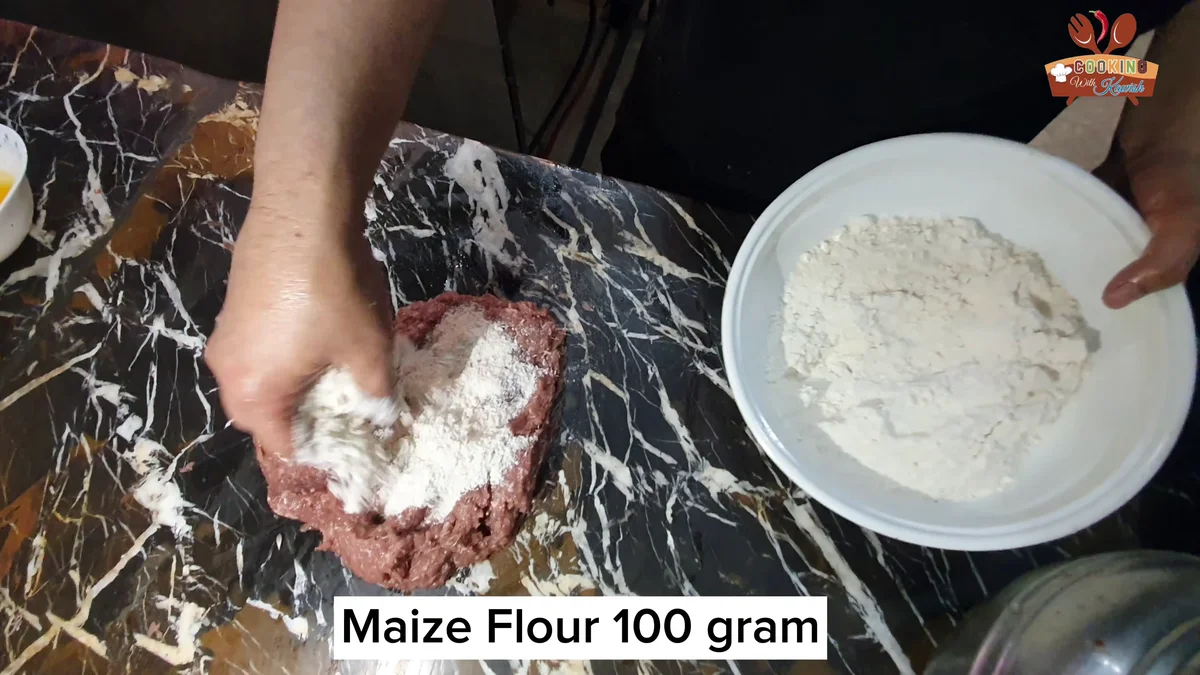
Maize flour as the binder. 100 g of maize flour is kneaded into the mince first. It holds the kabab together in the hot oil and gives the classic crisp edge.
A lot of onion and tomato. The onion is finely chopped and squeezed so it adds flavour without making the mixture wet. Tomato goes in too, which keeps the kabab soft inside.
An egg in the mixture. The egg is mixed straight into the mince and helps the kababs stay together and fry evenly.
A simple chapli masala. Crushed coriander seeds, crushed black pepper, ajwain and anardana (dried pomegranate seeds) give the sharp, tangy chapli taste.
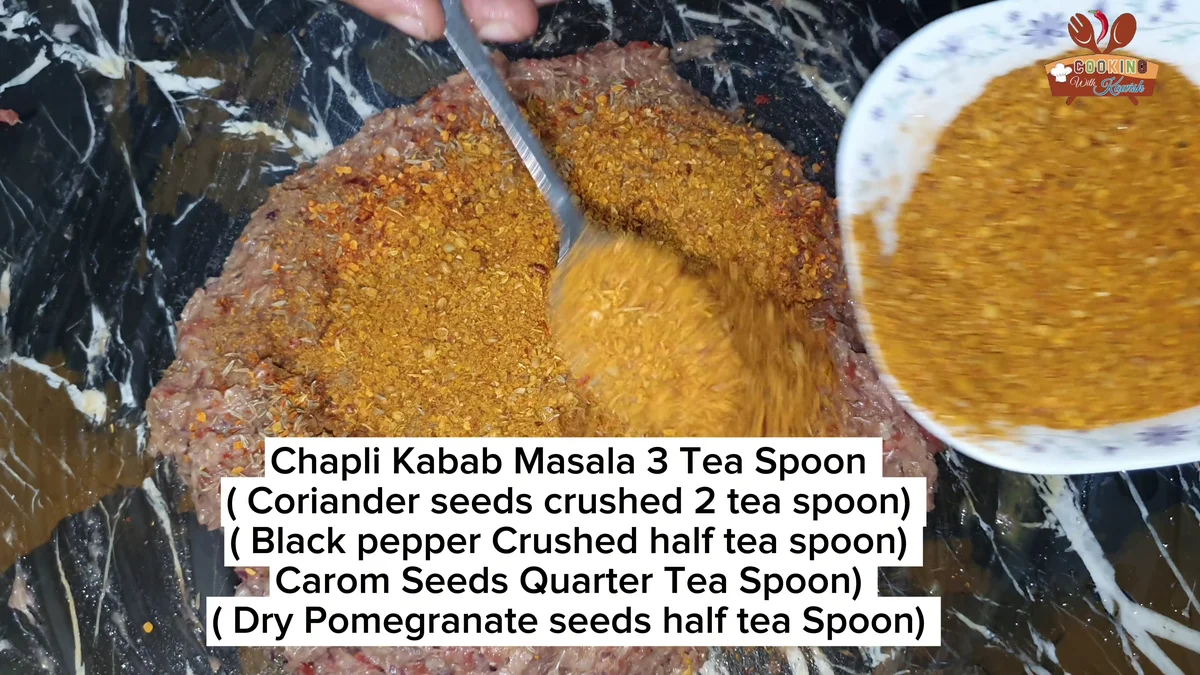
Chapli Kabab Masala (3 tsp)
- 2 tsp coriander seeds, crushed
- 1/2 tsp black pepper, crushed
- 1/4 tsp carom seeds (ajwain)
- 1/2 tsp dried pomegranate seeds (anardana)
Crush the coriander and pepper coarsely rather than grinding them to a powder. The small pieces are part of the chapli kabab bite.
Khan Jee Beef Chapli Kabab Ingredients
| Ingredient | 750 g minceserves 4 | Notes |
|---|---|---|
| Kabab mixture | ||
| beef mince | 750 g | |
| maize flour | 100 g | |
| onion | 1 kg | finely chopped, water squeezed out |
| tomatoes | 500 g | finely chopped |
| egg | 1 | |
| garam masala | 1 tsp | |
| red chilli flakes | 2 tsp | or green chillies |
| salt | to taste | to taste |
| Chapli kabab masala (3 tsp) | ||
| coriander seeds | 2 tsp | crushed |
| black pepper | 1/2 tsp | crushed |
| carom seeds (ajwain) | 1/4 tsp | |
| dried pomegranate seeds (anardana) | 1/2 tsp | |
| To fry and serve | ||
| oil | not stated | for frying |
| lettuce, tomato slices and lemon | not stated | to serve |
Amounts are from the video and recipe card. Items marked * are our estimate.
How Khan Jee Makes Beef Chapli Kabab
1. Mince and maize flour
Spread 750 g beef mince on a clean surface, add 100 g maize flour and knead it in well.

2. Add onion, tomato and egg
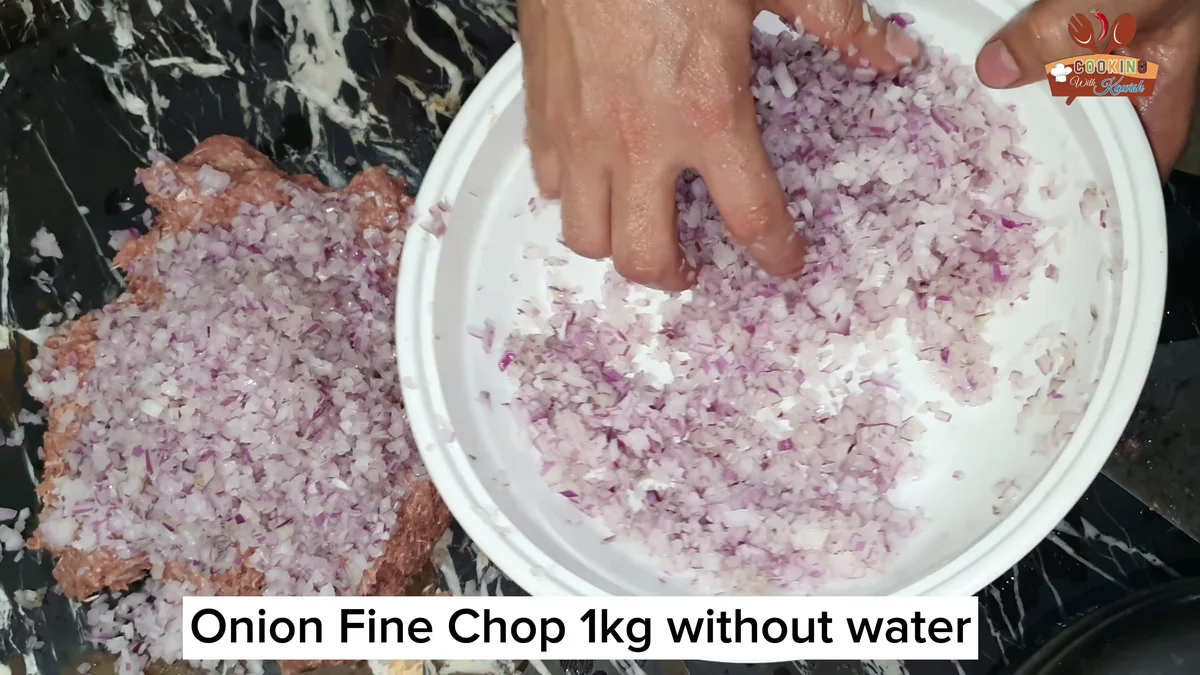
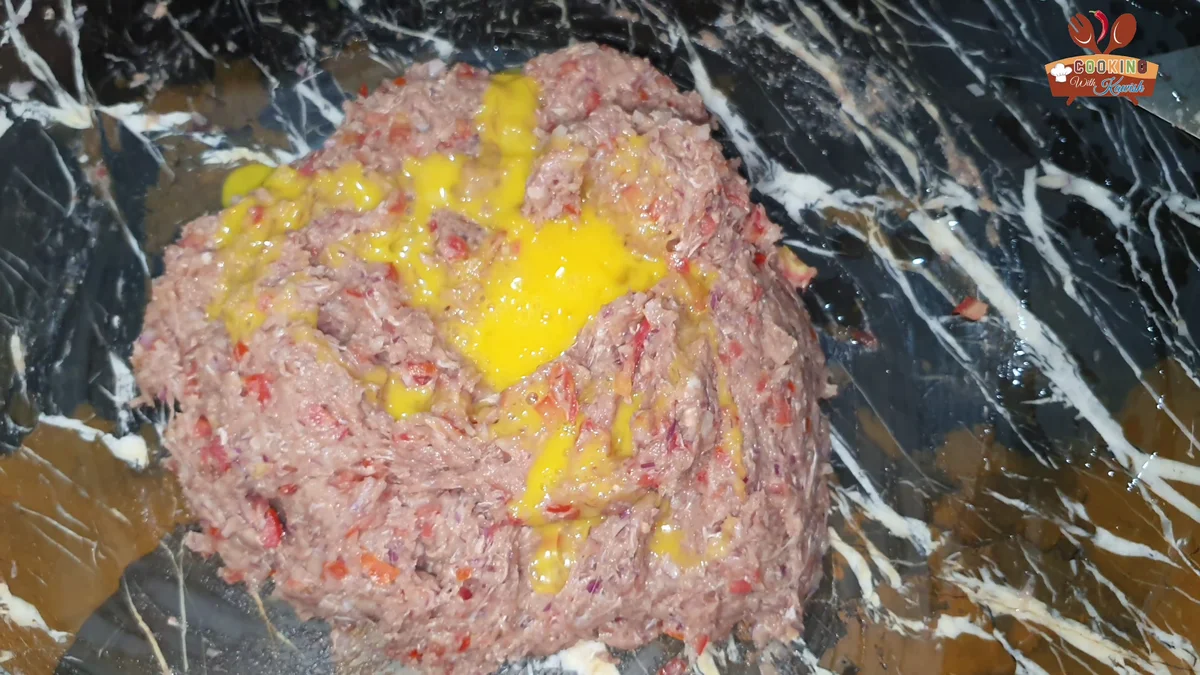
Squeeze the water out of the finely chopped onion and mix it into the mince. Add 500 g finely chopped tomatoes, then the egg, and mix again.

3. Add the spices
Add 1 tsp garam masala, 2 tsp red chilli flakes (or green chillies), 3 tsp chapli kabab masala and salt to taste.

4. Knead well
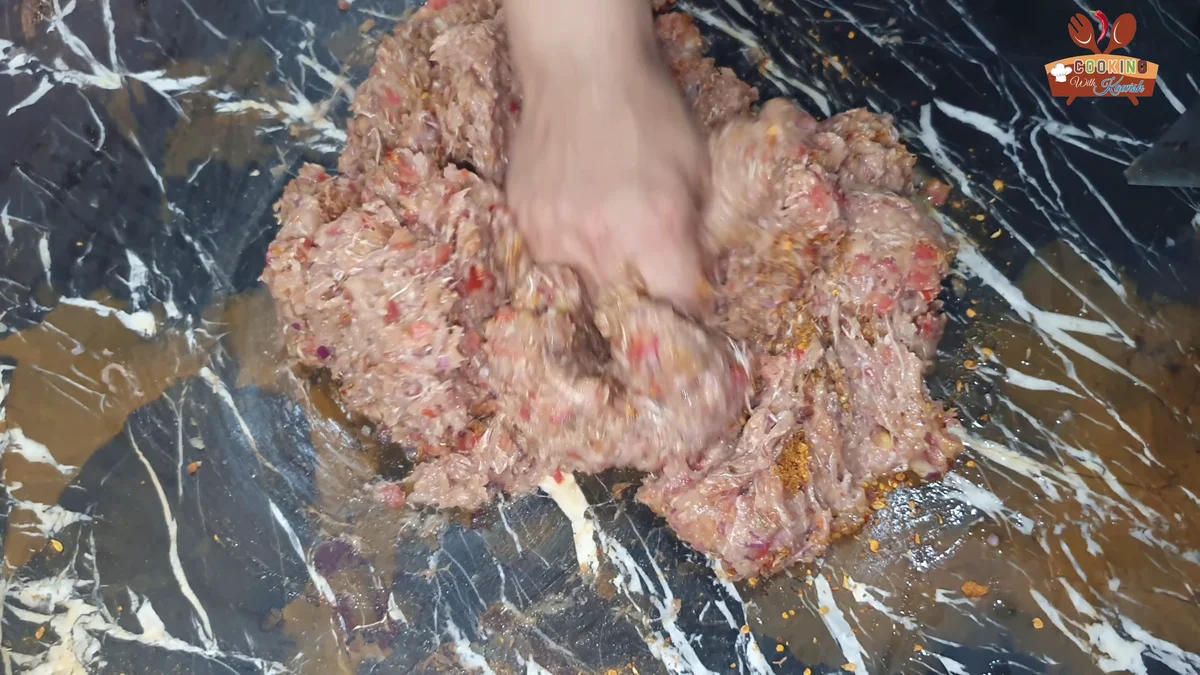
Knead the mixture by hand until the onion, tomato and spices are evenly spread through the mince.
5. Shape and fry
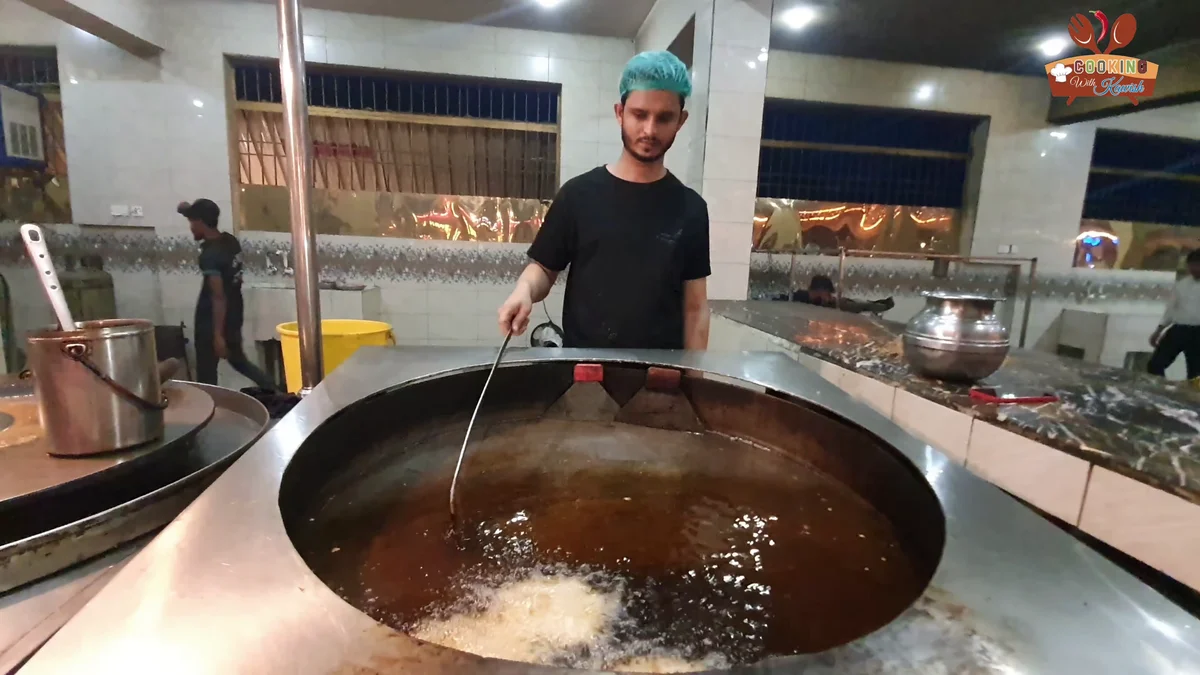
Shape large, flat round kababs and fry them in hot oil in a wide pan, turning once, until both sides are deep brown and crisp.
Beef Chapli Kabab
Ingredients
Method
- Put the beef mince on a clean surface or in a large bowl, add the maize flour and knead it in well.
- Squeeze the water out of the chopped onion, add it to the mince and mix.
- Add the chopped tomatoes, then the egg, and mix again.
- Add the garam masala, red chilli flakes, chapli kabab masala and salt to taste.
- Knead the mixture well by hand until everything is evenly combined.
- Shape the mixture into large, flat round kababs.
- Fry in hot oil in a wide pan, turning once, until both sides are deep brown and crisp.
- Serve hot with lettuce, tomato slices and lemon.
Video
Notes
egg glaze is Khan Jee’s signature — brush it over hot kababs right before
serving, don’t mix it into the meat. Best served fresh but uncooked shaped
patties freeze well for up to 2 months.
Chapli Kabab Problems and How to Fix Them
- The kabab breaks in the oil: the onion was too wet or the maize flour was not kneaded in well. Squeeze the onion and knead longer.
- The kabab is soft but not crisp: the oil was not hot enough. Heat it well before the kababs go in.
- The kabab is dry: it was fried too long. Take it out once both sides are deep brown.
Serving and Storing
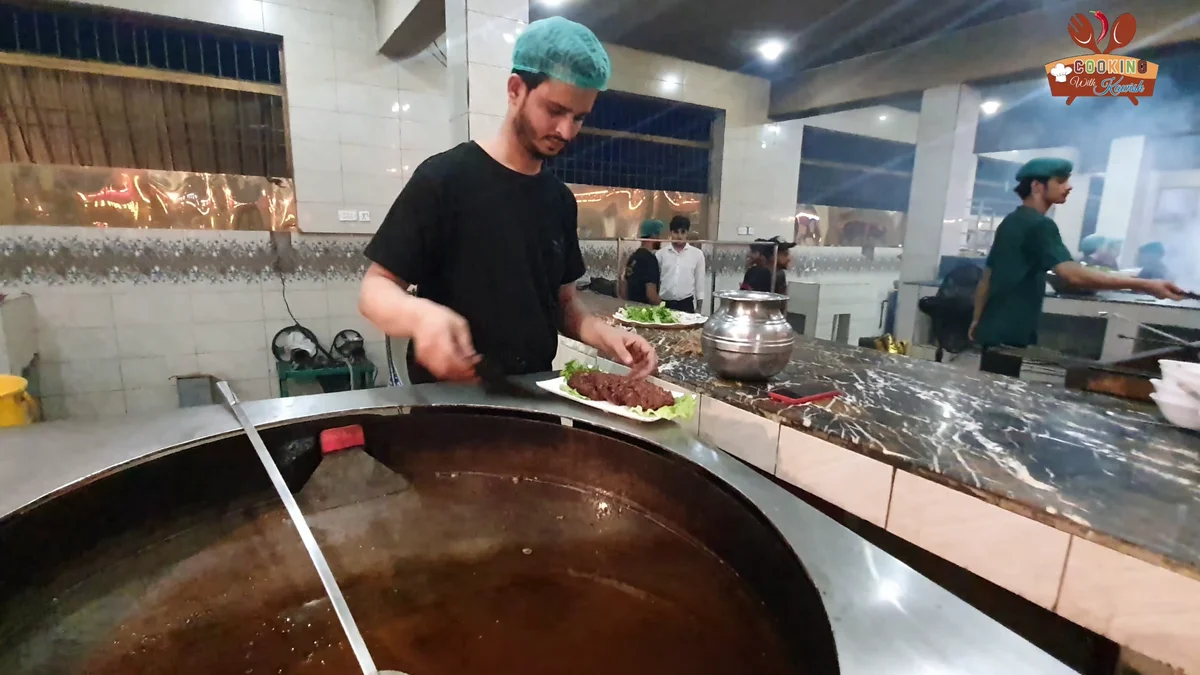
At Khan Jee the chapli kababs are served on lettuce with tomato slices and lemon. Naan, raw onion and mint chutney go well with them. Uncooked, shaped kababs can be frozen with paper between them and fried straight from frozen.
Khan Jee Beef Chapli Kabab FAQs
Does Khan Jee use maize flour in chapli kabab?
Yes. The video shows 100 g of maize flour for 750 g of beef mince.
Is the egg mixed into the chapli kabab?
Yes. In the video the egg is added to the mince and mixed in before the spices.
What is in chapli kabab masala?
Crushed coriander seeds, crushed black pepper, ajwain and anardana. Khan Jee uses 3 tsp of this masala for 750 g of mince.
Can I make it with mutton?
Yes. For a mutton version, see our mutton chapli kabab.
More Chapli Kabab Recipes
- Peshawari chapli kabab (Khyber Shinwari, 2 kg): our main chapli kabab recipe.
- Juicy, soft chapli kabab: another chapli kabab version.