A-One Peshawari Chapli Kabab Recipe (1 kg Home Style)
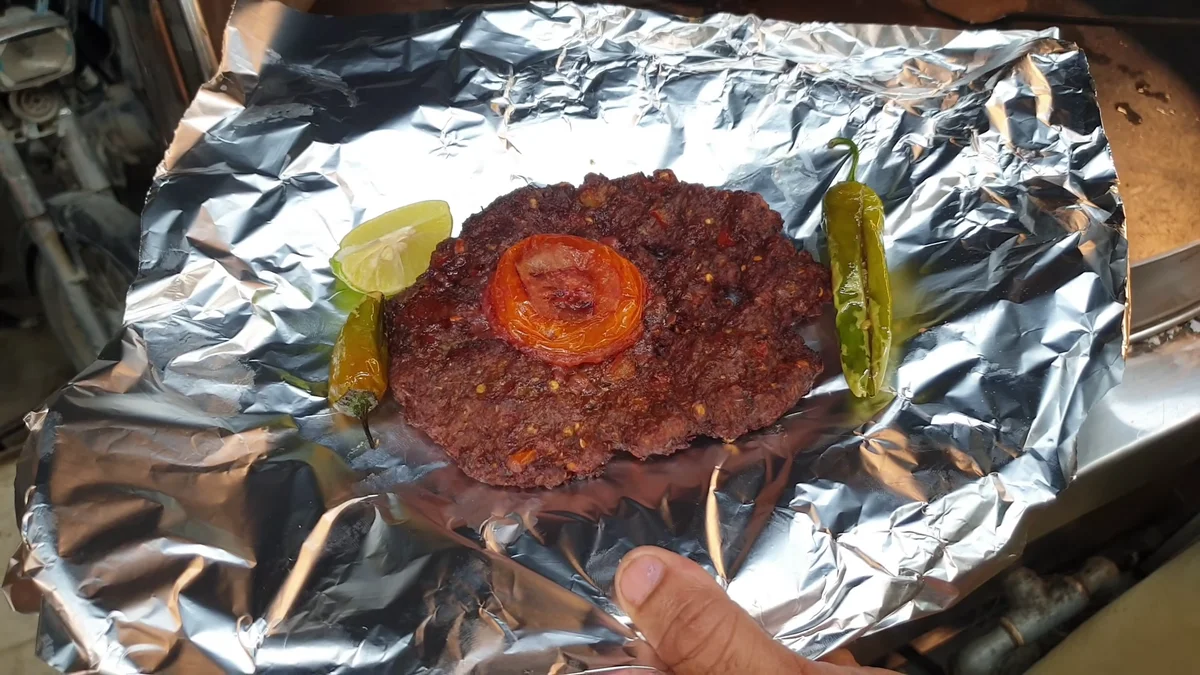
This Peshawari chapli kabab is A-One Restaurant’s style from Shah Faisal Colony, Karachi, scaled to 1 kg of mince for a family dinner. It keeps everything that makes A-One’s kababs work: coarse leg mince, onions squeezed dry, hand-crushed coriander, anardana and ajwain, a little maize flour, a tomato slice on top and frying in ghee. We filmed the method at A-One.
Serves: 4-6 | Prep: 25 min | Cook: 20 min
Difficulty: Easy (our estimate) | Best for: family dinners and small dawats
Heat level: medium (our estimate)
Watch the A-One Chapli Kabab Video
Useful points in the video:
What Makes the A-One Chapli Kabab Different
Leg meat, coarsely minced. Leg mince with some fat gives the loose, juicy chapli texture. Ask your butcher for a coarse cut.
Onions squeezed hard. 1 kg of chopped onions is squeezed in a cloth until only about 300 g is left. Dry onions keep the kababs from breaking.
Ajwain in the spice mix. Half a teaspoon of ajwain gives a light herbal note that sets these kababs apart from many home recipes.
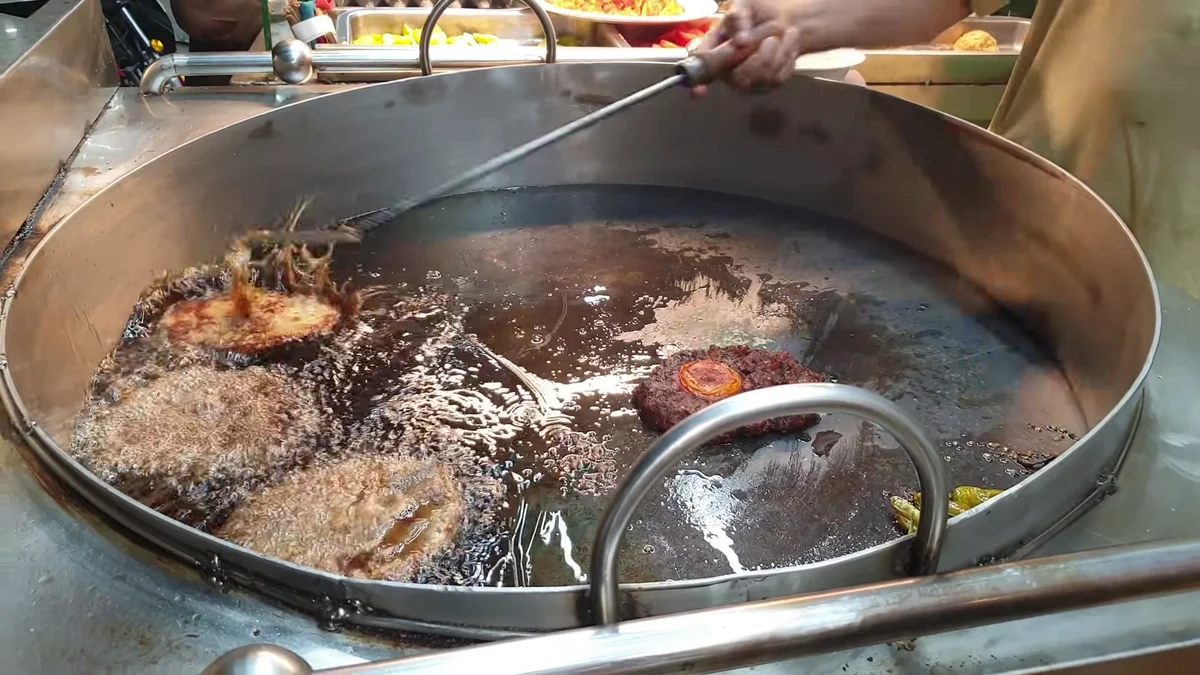
A tomato slice on top. Each kabab gets a thin tomato slice pressed on before frying, the classic Peshawari look.
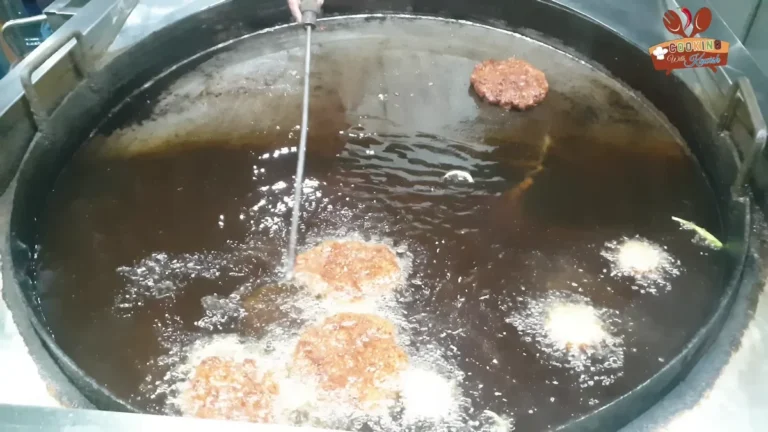
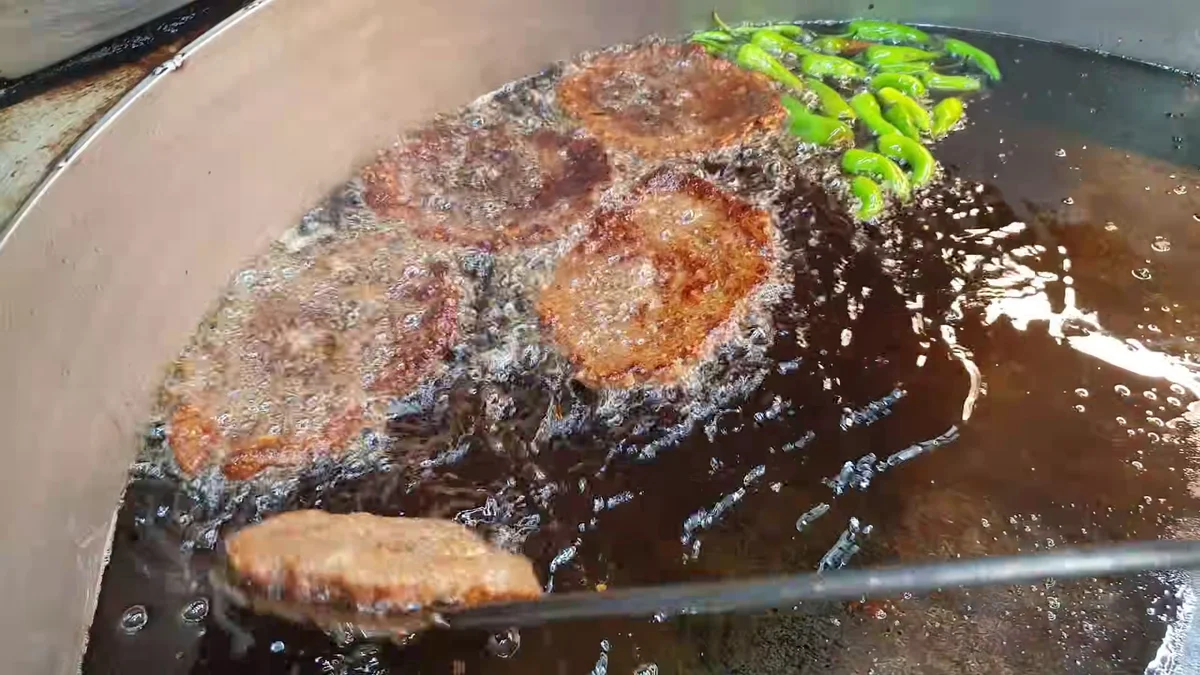
Fried in ghee. Ghee, or half ghee and half oil, gives the nutty aroma and crisp edges.
Ingredient Notes
- Mince: beef or mutton leg mince, coarse cut. Fine mince makes the kababs dense.
- Spices: dry-roast the coriander, cumin and ajwain for 30 seconds and crush them coarsely with the anardana. Coarse pieces are part of the chapli bite.
- Maize flour: 50 g is enough for 1 kg. It binds the kababs without making them bready.
| Ingredient | 1 kg batchserves 6 | Notes |
|---|---|---|
| Kabab mixture | ||
| beef or mutton mince | 1 kg | leg meat, coarse cut |
| onions | 1 kg | finely chopped and squeezed to about 300 g |
| green chillies | 4-5 | finely chopped |
| coriander seeds | 2 tbsp | dry-roasted and coarsely crushed |
| cumin seeds | 1 tsp | dry-roasted and coarsely crushed |
| anardana (dried pomegranate seeds) | 1.5 tbsp | coarsely crushed |
| red chilli flakes | 1.5 tbsp | |
| ajwain (carom seeds) | 0.5 tsp | |
| salt | 1 tsp | |
| maize flour (makai ka atta) | 50 g | |
| To fry and garnish | ||
| ghee | not stated | or half oil and half ghee |
| tomatoes | 2 | thinly sliced, for the top |
| fresh coriander | not stated | to garnish |
Amounts are from the video and recipe card. Items marked * are our estimate.
How to Make A-One Style Chapli Kabab at Home
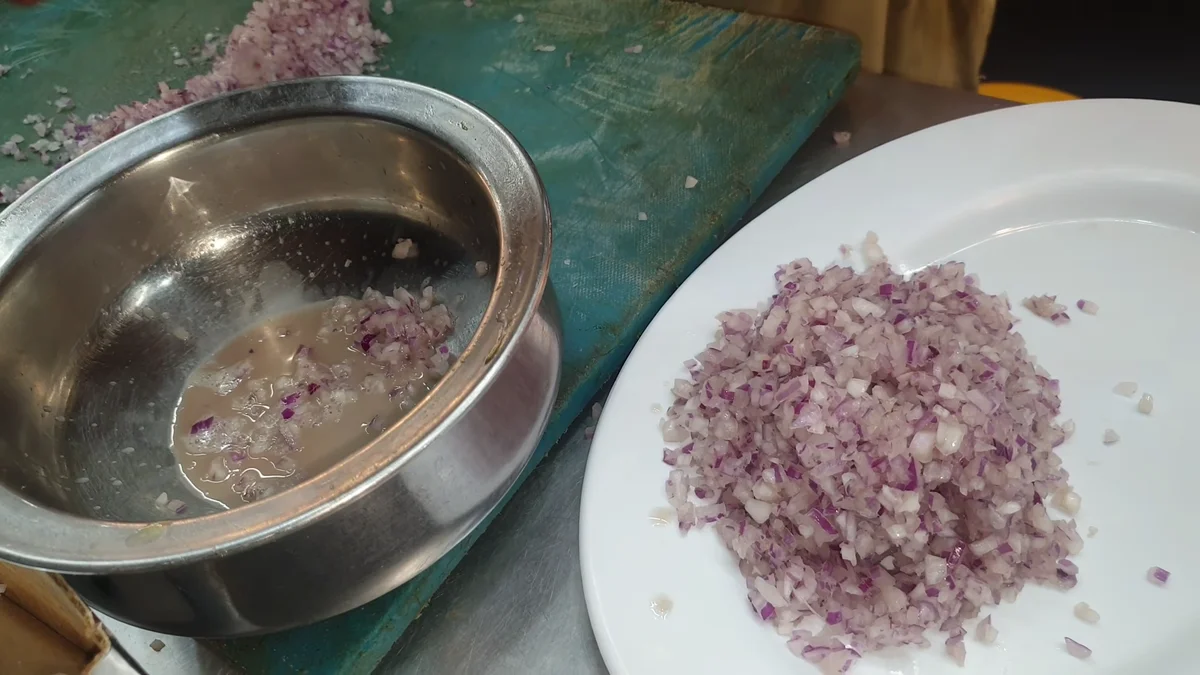
1. Squeeze the onions
Finely chop 1 kg onions, wrap them in a clean cloth and squeeze hard until about 300 g is left.
2. Knead the mince and add the spices
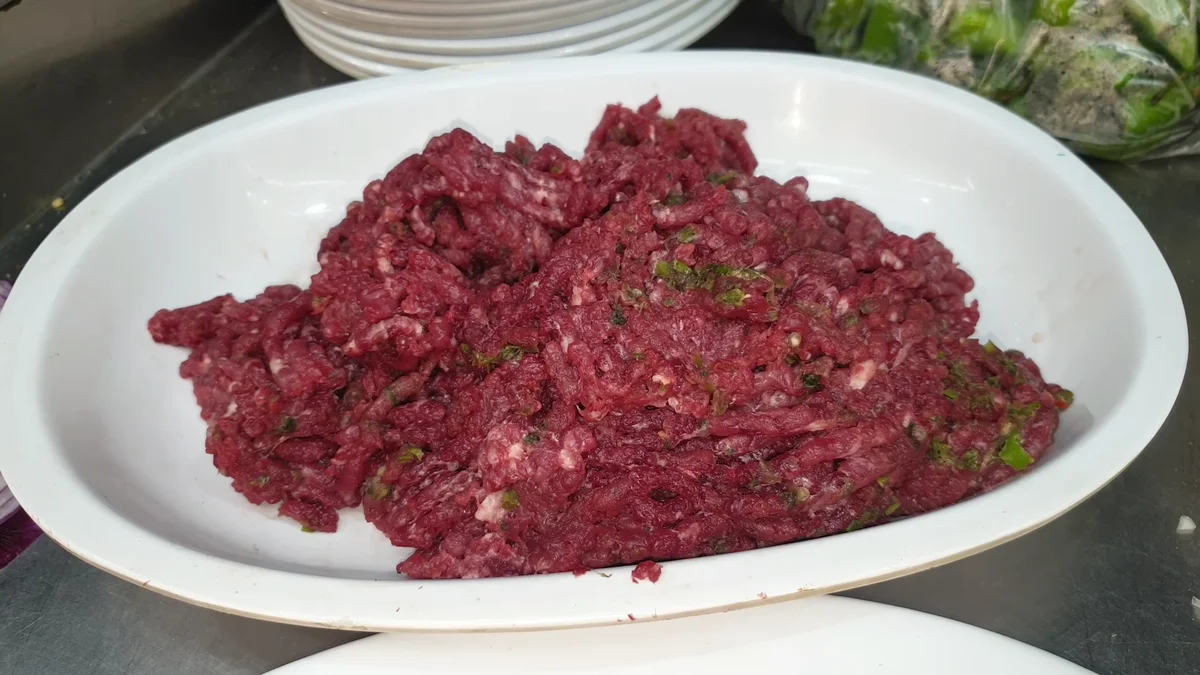
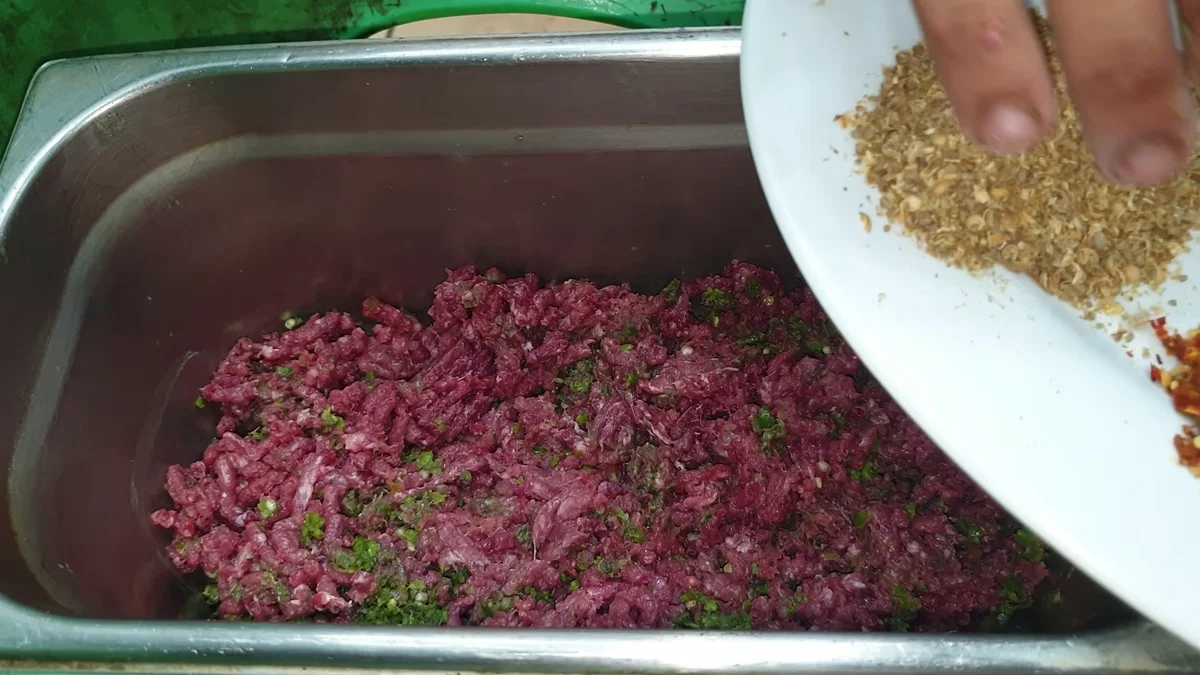
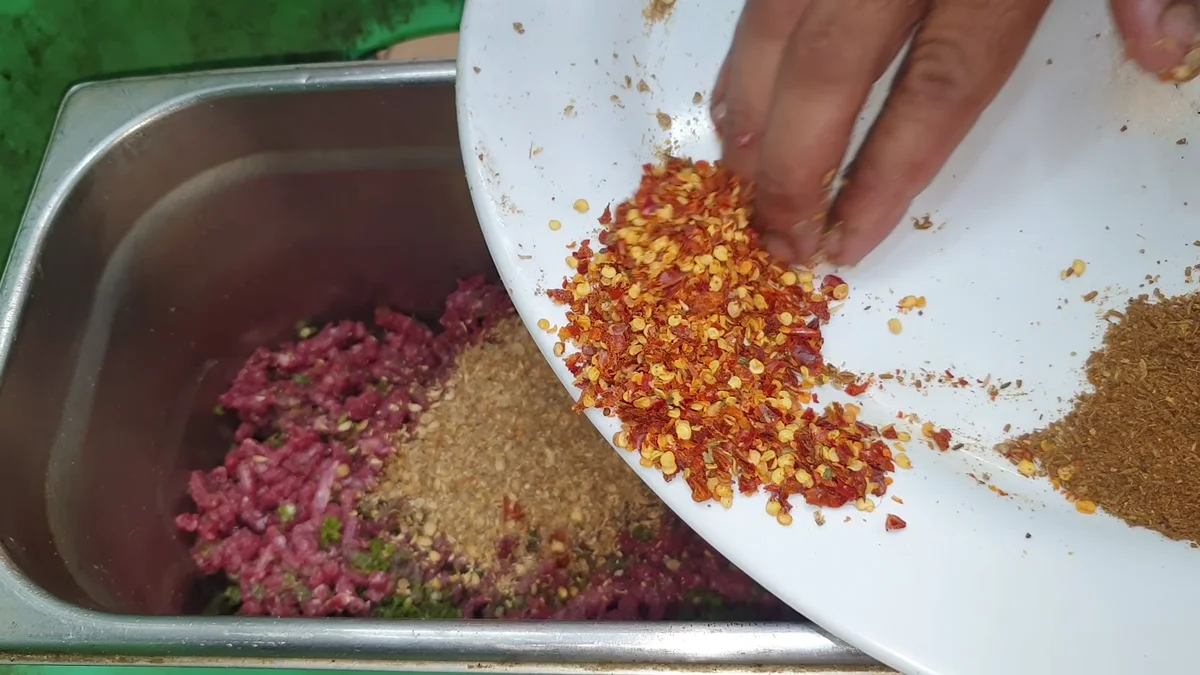
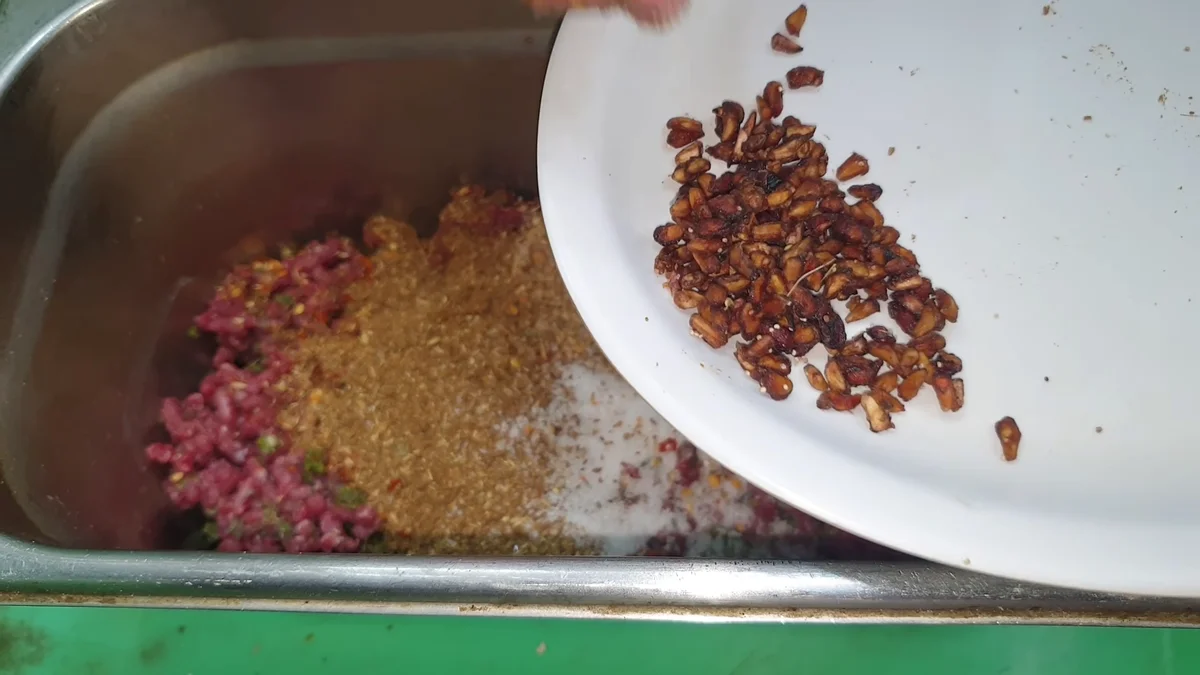
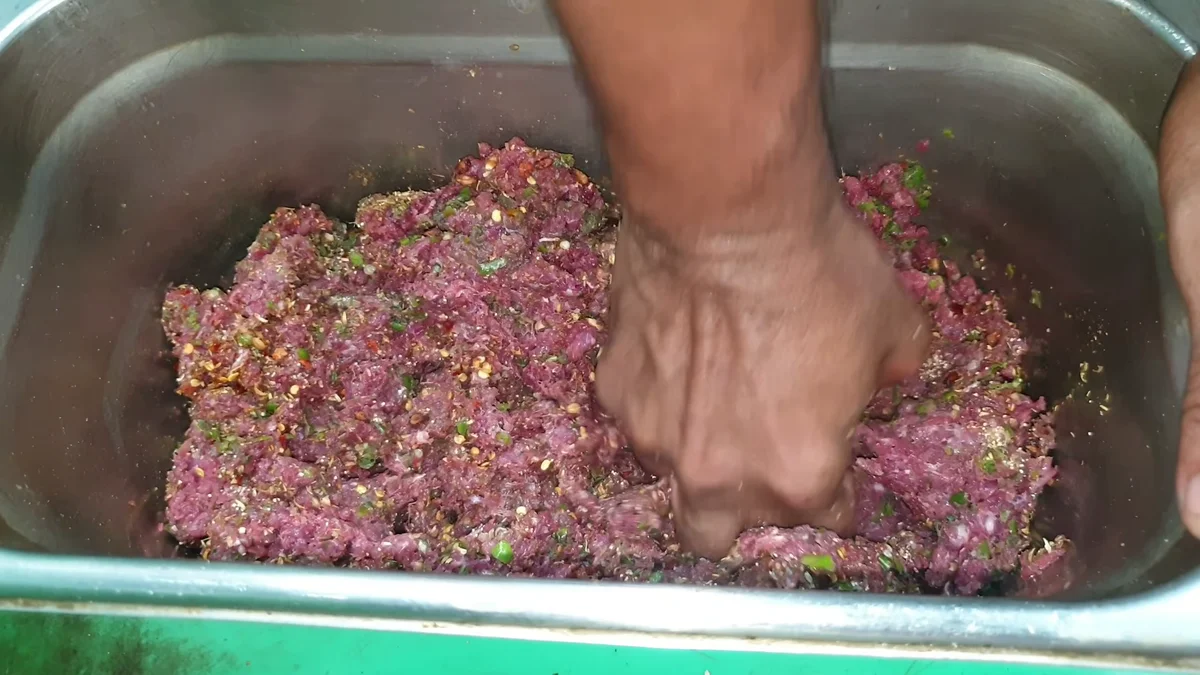
Put the mince in a large bowl with 1 tsp salt and knead hard for 5 minutes until slightly sticky. Add the crushed coriander, cumin, ajwain and anardana with the red chilli flakes, and mix for 3 minutes.
3. Add the onions
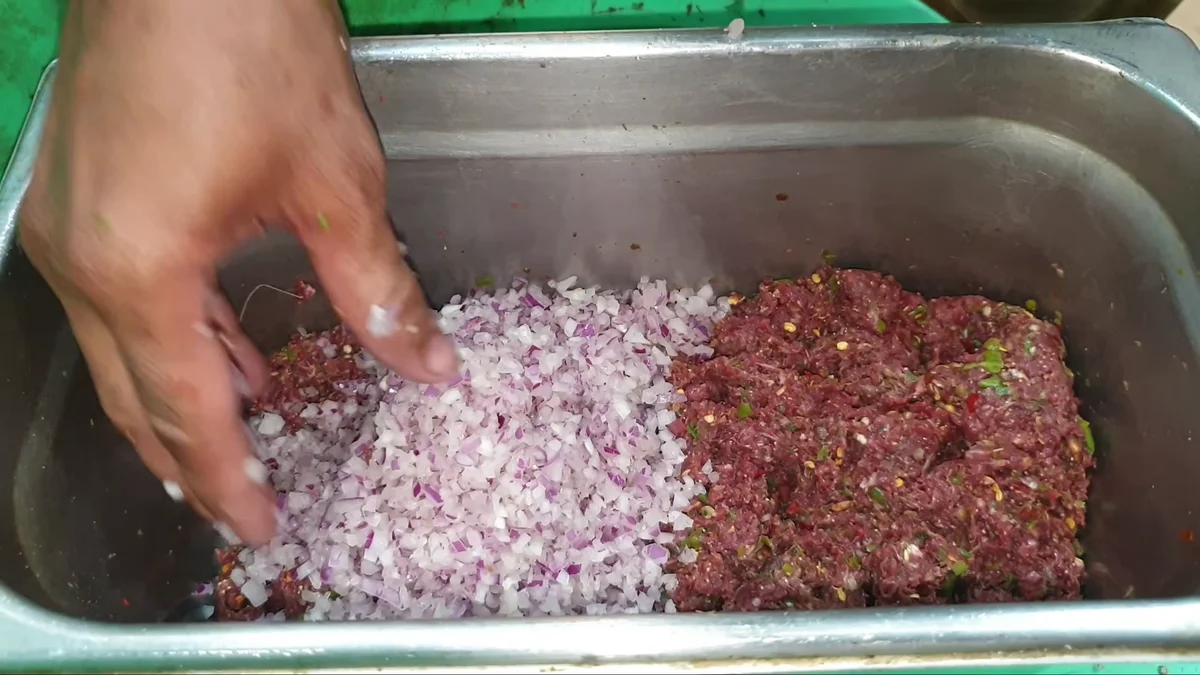
Add the squeezed onions and mix for another 5 minutes.
4. Add green chillies and maize flour
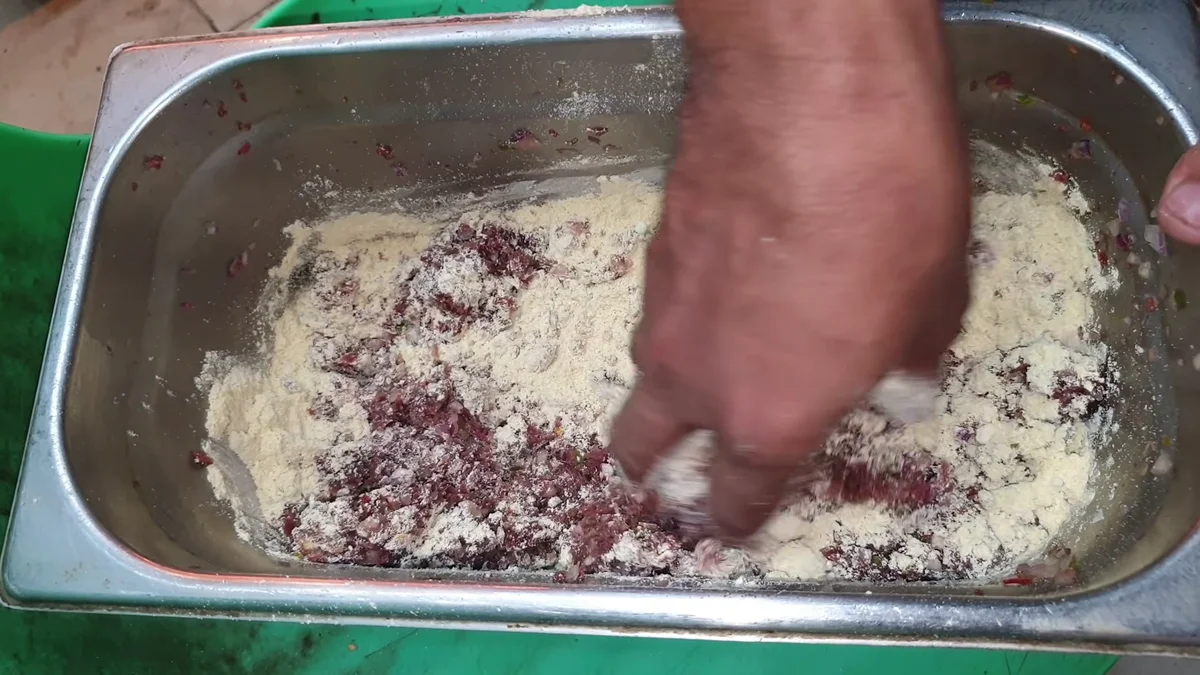
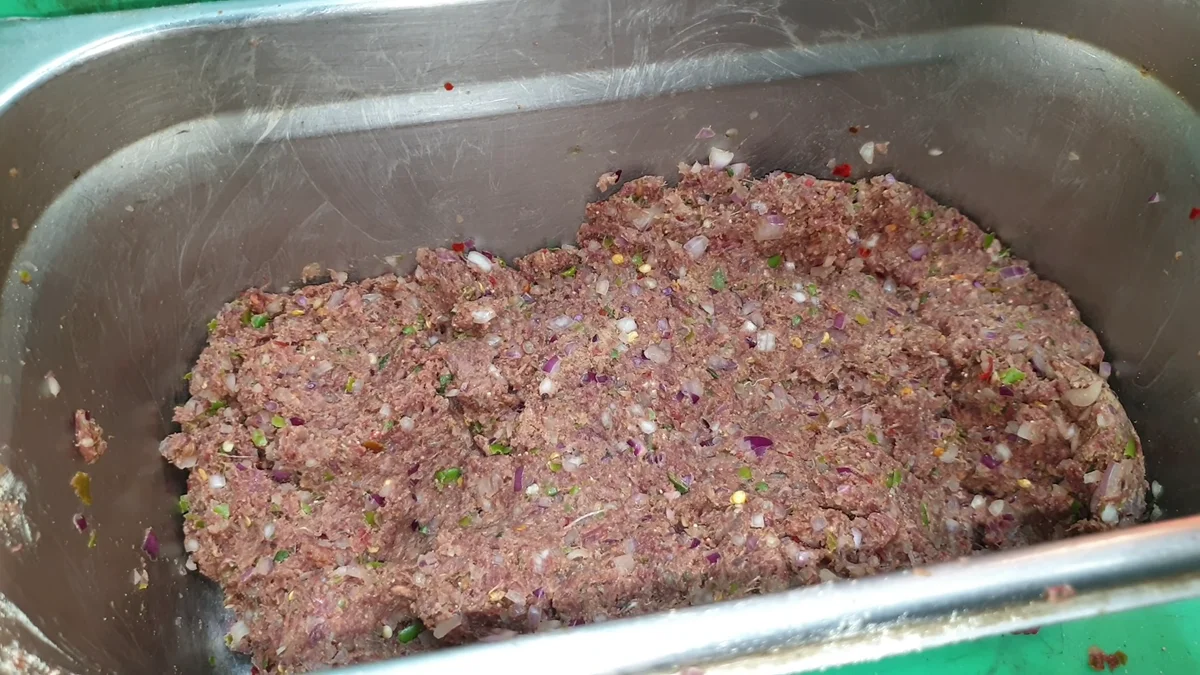
Add the chopped green chillies and 50 g maize flour and knead for 2 more minutes, until the mixture holds its shape when pressed.
5. Shape, top with tomato and fry
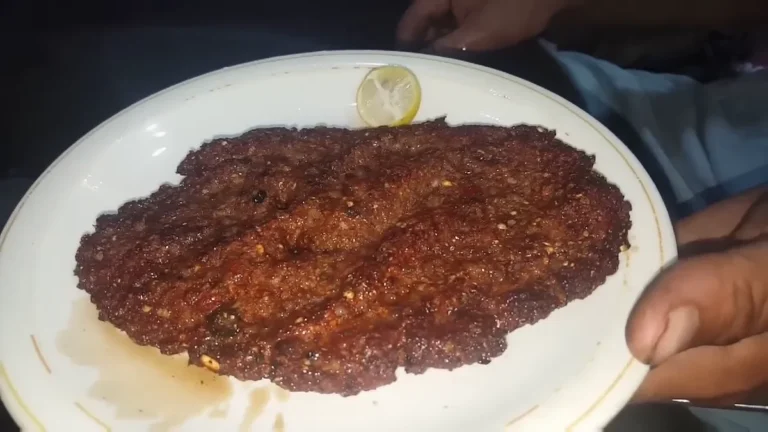
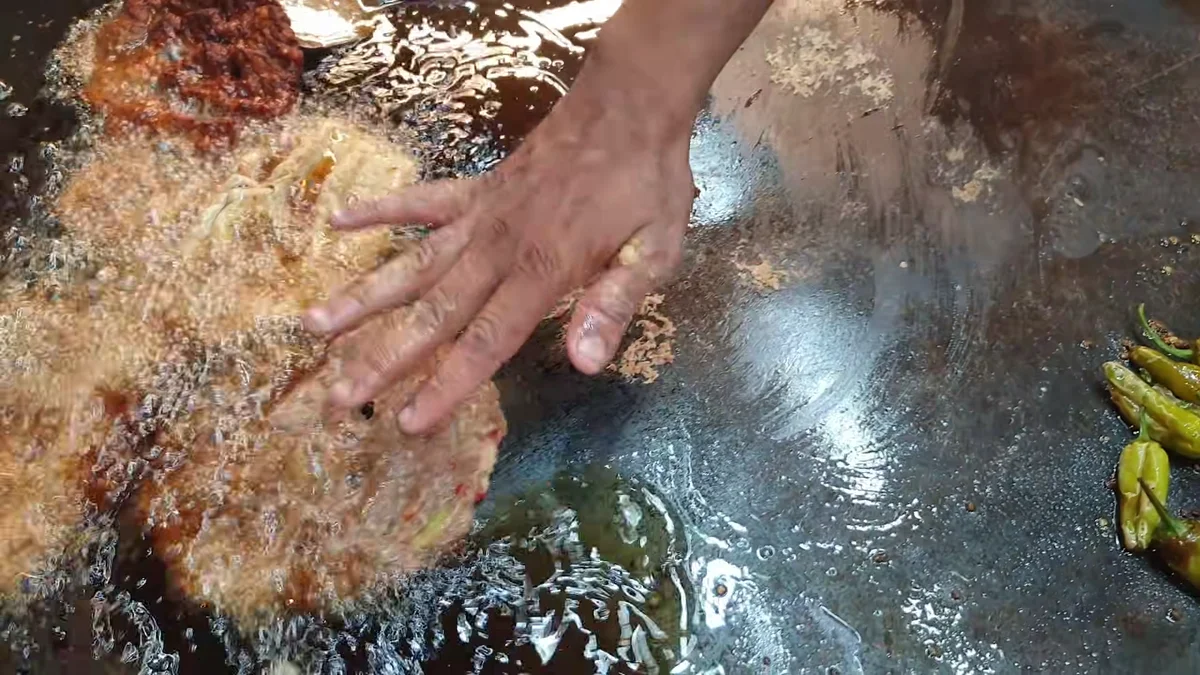
Heat ghee in a wide pan on medium heat. With wet hands, shape flat discs about 1 cm thick and press a thin tomato slice on each. Fry for 4-5 minutes per side until deep golden brown and crisp at the edges.
Peshawari Chapli Kabab
Ingredients
Method
- Finely chop 1 kg onions, wrap them in a clean cloth and squeeze hard until about 300 g is left.
- Dry-roast the coriander seeds, cumin seeds and ajwain for 30 seconds, then coarsely crush them with the anardana. Do not grind them to a powder.
- Put the mince in a large bowl, add the salt and knead hard by hand for 5 minutes until it feels slightly sticky.
- Add the crushed spices and red chilli flakes and mix for 3 minutes. Add the squeezed onions and mix for another 5 minutes.
- Add the chopped green chillies and the maize flour and knead for 2 more minutes, until the mixture holds its shape when pressed.
- Heat ghee in a wide pan on medium heat. With wet hands, shape flat discs about 1 cm thick (10-12 kababs) and press a thin tomato slice on top of each.
- Fry for 4-5 minutes per side until deep golden brown and crisp at the edges. Garnish with fresh coriander.
Video
Notes
skip the ajwain. Leg meat (ran) gives the best texture — ask your
butcher for coarse cut with 20% fat. Kababs are best eaten fresh but
uncooked shaped patties freeze well for up to 2 months.
Chapli Kabab Problems and How to Fix Them
- The kababs fall apart: the onions still had water in them. Squeeze them again.
- The kababs are hard: the mince was too fine or too lean. Use coarse leg mince with some fat.
- No crisp edge: the ghee was not hot enough, or the kababs were too thick. Keep them about 1 cm thick.
Serving and Storing
Serve hot with naan, lemon and green chillies, as at A-One. Uncooked, shaped kababs freeze well for up to 2 months and can be fried straight from frozen.
1 kg Chapli Kabab FAQs
How many chapli kababs does 1 kg of mince make?
About 10-12 kababs, enough for 4-6 people.
Can I use mutton instead of beef?
Yes. The recipe works with beef or mutton leg mince.
Why add ajwain to chapli kabab?
Half a teaspoon gives a light herbal flavour that balances the rich, fatty meat.
How do I make a bigger batch?
For a 2 kg batch, see our main Khyber Shinwari recipe below. For a full Bakra Eid batch, see the 5 kg deg-style version.
More Chapli Kabab Recipes
- Peshawari chapli kabab (Khyber Shinwari, 2 kg): our main chapli kabab recipe.
- Commercial chapli kabab: a chapli kabab made in a large batch.
- Juicy, soft chapli kabab: another chapli kabab version.