Peshawari Mutton Rosh Recipe - Cooking with Kawish

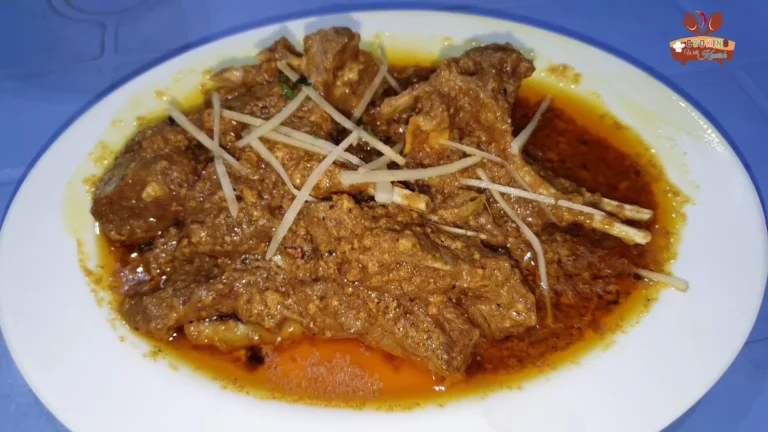
Embark on a culinary journey to the heart of Khyber Pakhtunkhwa with this incredible Peshawari Mutton Rosh Recipe, a dish celebrated for its exquisite simplicity and profound flavors. Also known as Mutton Namkeen Gosht, this traditional preparation highlights the natural taste of high-quality mutton, cooked to absolute perfection with minimal spices.

It’s a testament to the fact that sometimes, less truly is more, especially when you have exceptional ingredients at your disposal.

The beauty of this Mutton Namkeen Gosht lies in its straightforward approach. Unlike many South Asian curries that rely on a complex blend of masalas, Rosh puts the spotlight squarely on the succulent meat itself.

The slow cooking process, often in a sealed pot, ensures that every fiber of the mutton becomes incredibly tender, falling off the bone with the slightest touch.

This method locks in all the juices and natural aromas, creating a dish that is both comforting and deeply satisfying.

Imagine a chilly evening, gathering around a warm meal with family and friends, savoring each bite of this aromatic mutton.

The subtle hint of green chilies, the richness of lamb fat, and the earthiness of potatoes all contribute to a symphony of flavors that is truly unique.

It’s a dish that transcends mere sustenance, becoming an experience that connects you to generations of culinary tradition and the rugged beauty of the region it hails from.

Our guide today will demystify the art of preparing this classic dish right in your own kitchen. We’ll walk you through each step, ensuring you achieve that authentic taste and texture that makes Peshawari Mutton Rosh so revered.

Whether you’re a seasoned cook or a beginner eager to explore Pakistani cuisine, this recipe is designed to be accessible, rewarding, and utterly delicious.

Get ready to impress your loved ones with a meal that speaks volumes about tradition and taste.

The essence of Rosh lies in its purity. It’s a dish that respects the integrity of its ingredients, allowing them to shine without being overshadowed.

This approach not only makes for a healthier meal but also allows the true essence of the mutton to come through, creating a depth of flavor that is often lost in more heavily spiced dishes.

It’s a culinary philosophy that has stood the test of time, proving its enduring appeal.

For those who appreciate the delicate balance of flavors and the art of slow cooking, this Peshawari Mutton Rosh Recipe is an absolute must-try.

It’s a dish that nourishes the body and soul, bringing warmth and satisfaction with every spoonful.

Pair it with fresh naan or a simple roti, and you have a meal that is both wholesome and incredibly indulgent.

It’s perfect for family dinners or special occasions where you want to serve something truly memorable.

If you enjoy exploring regional Pakistani dishes, you might also like our Cholistani Chicken Karahi or the vibrant Green Chicken Karahi. For those who love rice dishes, our White Beef Biryani offers a different flavor profile, while Chicken Reshmi Kabab provides a delicious appetizer option.

Each of these recipes brings a unique taste of Pakistan to your table, showcasing the rich diversity of its culinary landscape.

This recipe is also a fantastic alternative to heavily spiced dishes, offering a lighter yet equally flavorful option. It’s especially appealing to those who prefer milder flavors but still crave the rich, satisfying taste of well-cooked meat.

The minimal use of ingredients makes it a surprisingly economical dish too, as the focus is on quality rather than quantity of spices. It’s a smart choice for any home cook.

So, roll up your sleeves and get ready to create a masterpiece. This Mutton Namkeen Gosht is more than just a recipe; it’s an invitation to experience a culinary tradition that is deeply rooted in simplicity and flavor.

With Cooking with Kawish, you’re not just learning to cook; you’re learning to create memories. Let’s dive into the secrets of achieving the perfect, melt-in-your-mouth mutton that will have everyone asking for more.

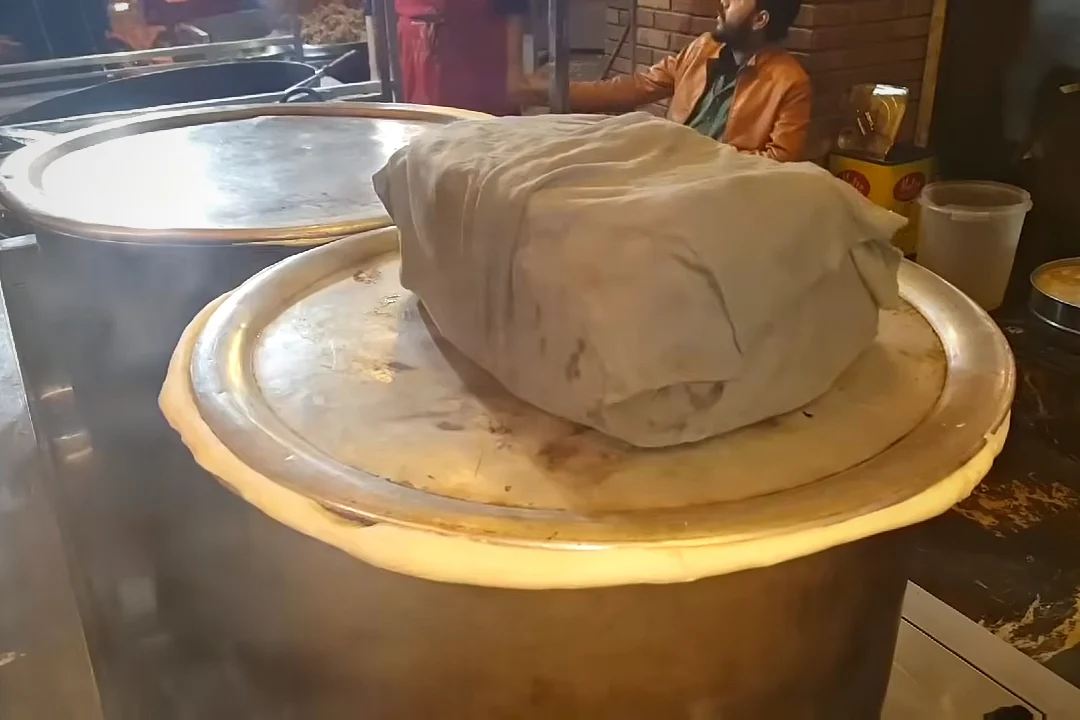
The preparation might seem unconventional with its flour seal, but this technique is crucial. It creates a pressure-cooker-like environment, allowing the mutton to stew in its own juices and the subtle flavors of the added vegetables and fat.

This results in an unparalleled tenderness and a concentrated flavor profile that simply cannot be achieved through conventional open-pot cooking.

It’s a time-honored method for a reason.

Why This Peshawari Mutton Rosh Recipe is Authentic

  • Minimalist Spice Profile: True to its roots, this recipe uses very few spices, primarily salt. This allows the natural flavor of the mutton to be the star, rather than being masked by strong masalas, which is a hallmark of authentic Rosh.
  • Reliance on Lamb Fat (Chakki): The inclusion of lamb fat (chakki) is crucial for authenticity. It renders down during the slow cooking process, providing essential moisture, richness, and a distinctive flavor that is characteristic of traditional Rosh.
  • Slow Cooking Method: The long, slow cooking process on a low flame is fundamental. This ensures the mutton breaks down completely, becoming incredibly tender and juicy, a texture that defines perfectly cooked Mutton Namkeen Gosht.
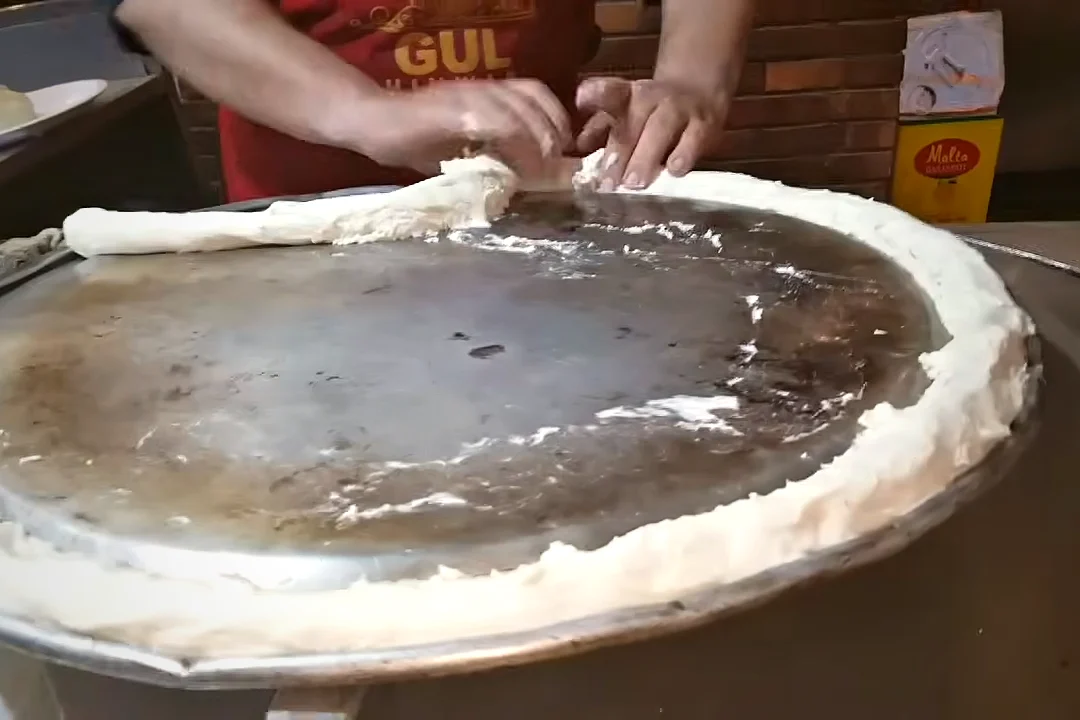
  • Sealing the Pot with Flour: A traditional technique, sealing the pot with a flour dough creates a tight, airtight environment. This acts like a natural pressure cooker, trapping steam and flavors, allowing the meat to cook in its own juices and intensifying the taste.
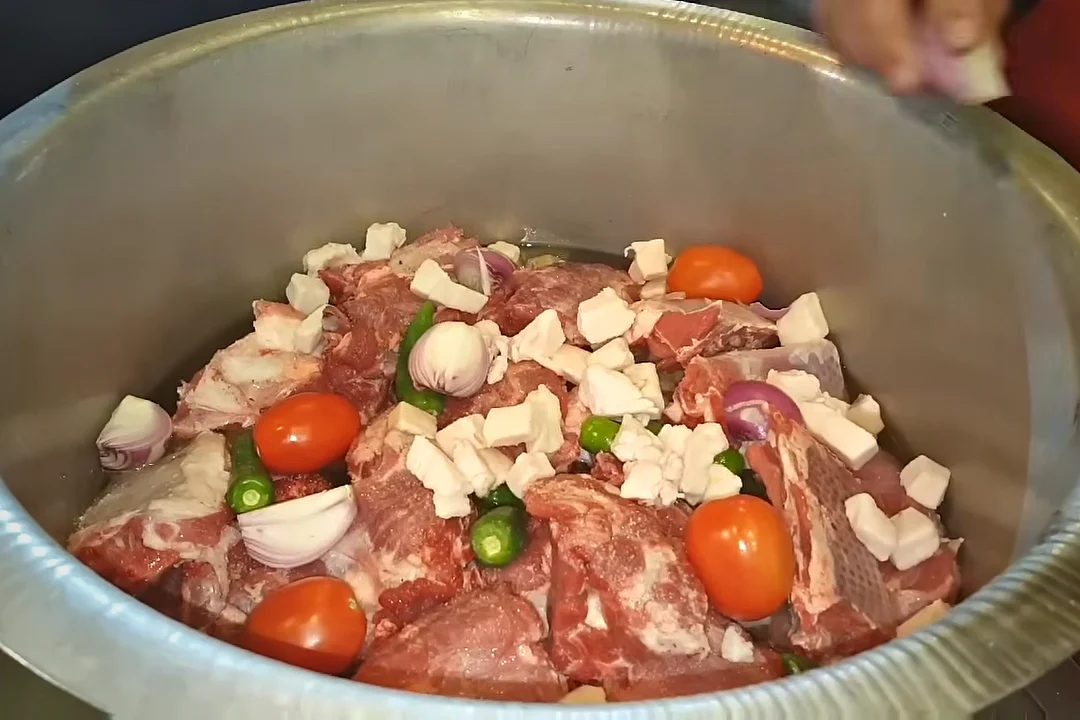
  • Simple, Wholesome Ingredients: The use of basic, fresh ingredients like mutton, potatoes, tomatoes, onions, and green chilies, without elaborate pre-marination or complex spice grinding, mirrors the rustic and wholesome nature of genuine Peshawari cuisine.

7 Secrets for the Perfect Peshawari Mutton Rosh Recipe

Achieving the perfect Peshawari Mutton Rosh, a dish that truly melts in your mouth and bursts with flavor, requires attention to a few key details. While the recipe is simple, these secrets elevate it from good to absolutely legendary. Master these techniques, and you’ll be cooking Rosh like a seasoned Peshawari chef, capturing the essence of Mutton Namkeen Gosht in every bite.

  1. Choose Quality Mutton with Bone-in Cuts

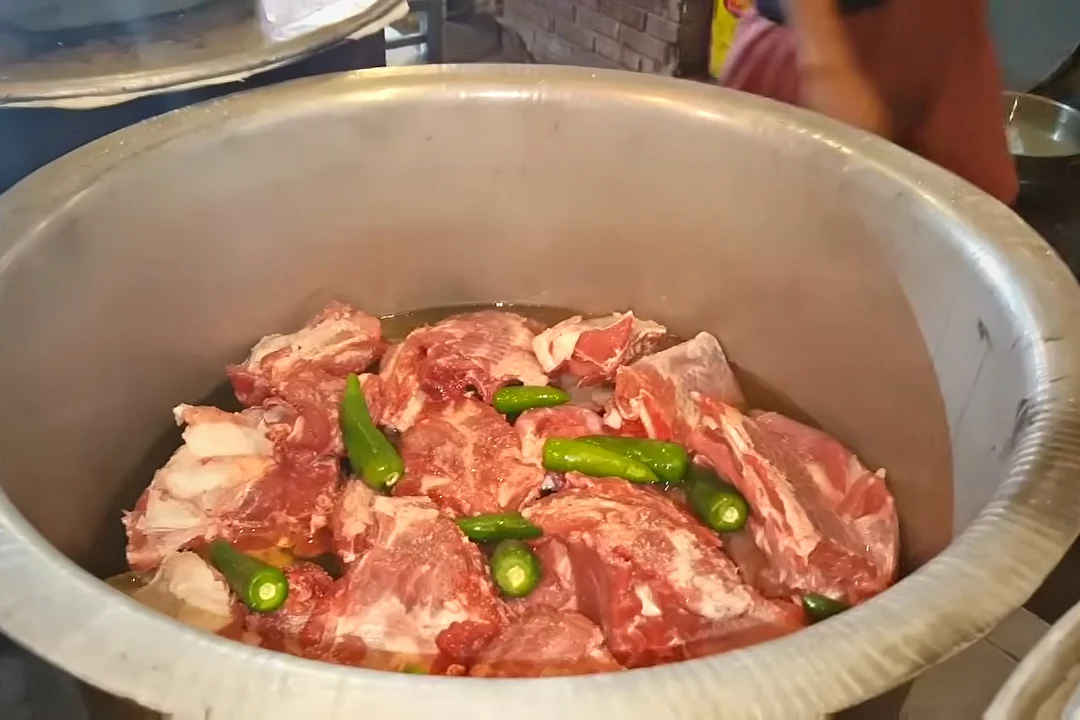
    The foundation of any great Rosh is the quality of the meat. Opt for fresh, high-quality mutton, preferably from the shoulder or leg, with bones. Bone-in cuts impart a richer flavor and contribute to a more gelatinous, tender texture as they release marrow and collagen during the long cooking process. This is crucial for the deep, umami flavor profile that defines authentic Mutton Rosh. Always select cuts that have a good amount of meat and some fat marbling for optimal results.

  2. Don’t Skimp on the Lamb Fat (Chakki)

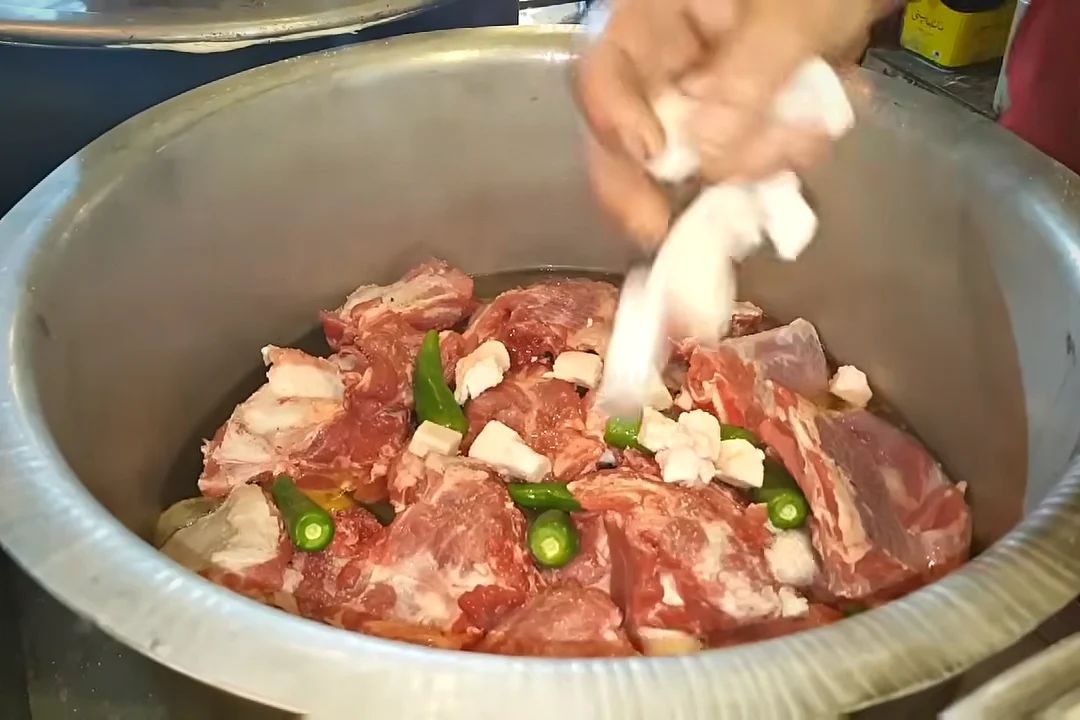
    Lamb fat, or ‘chakki,’ is not just an ingredient; it’s a flavor enhancer and a tenderizing agent in Peshawari Mutton Rosh. The 150 grams recommended for 1 kg of mutton is vital. As it slowly renders, it bastes the meat, keeps it moist, and infuses the entire dish with a distinctive, rich aroma and taste that cannot be replicated by cooking oil alone. This fat is essential for achieving the traditional texture and mouthfeel of Rosh, so do not reduce or omit it.

  3. Layer Ingredients Strategically for Even Cooking

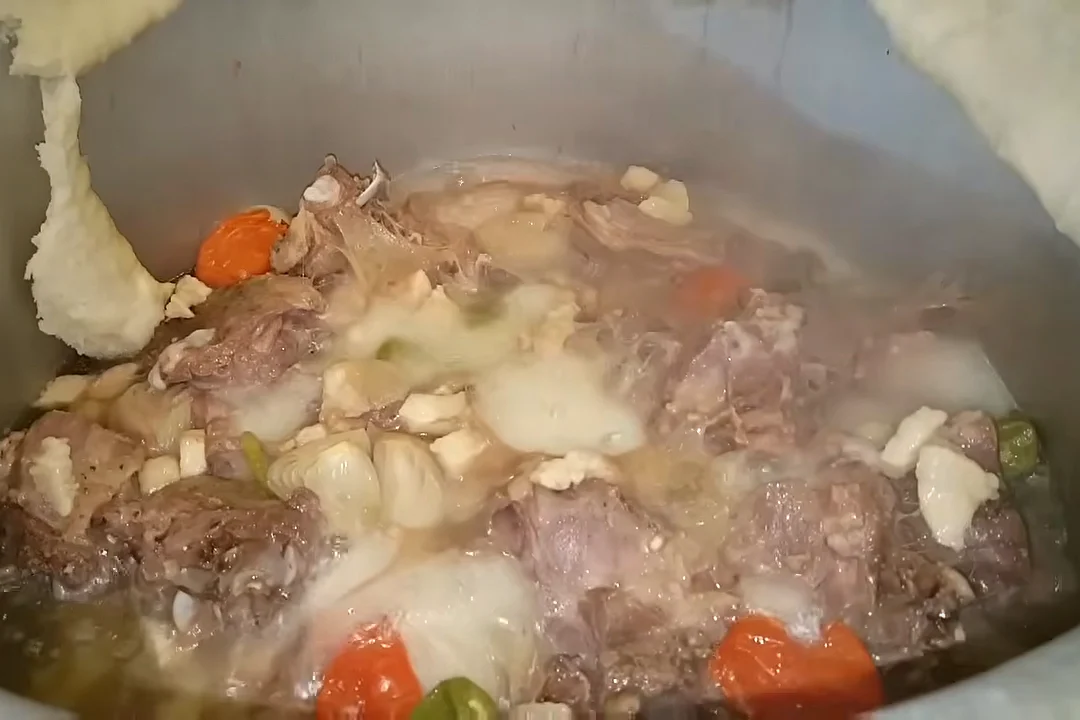
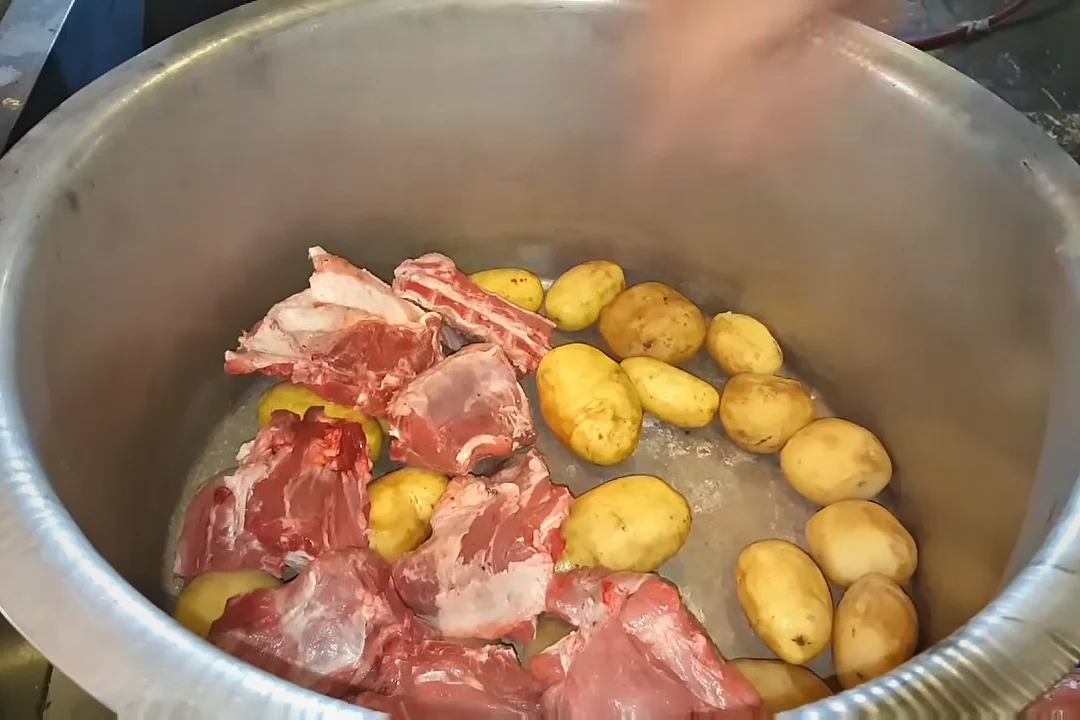
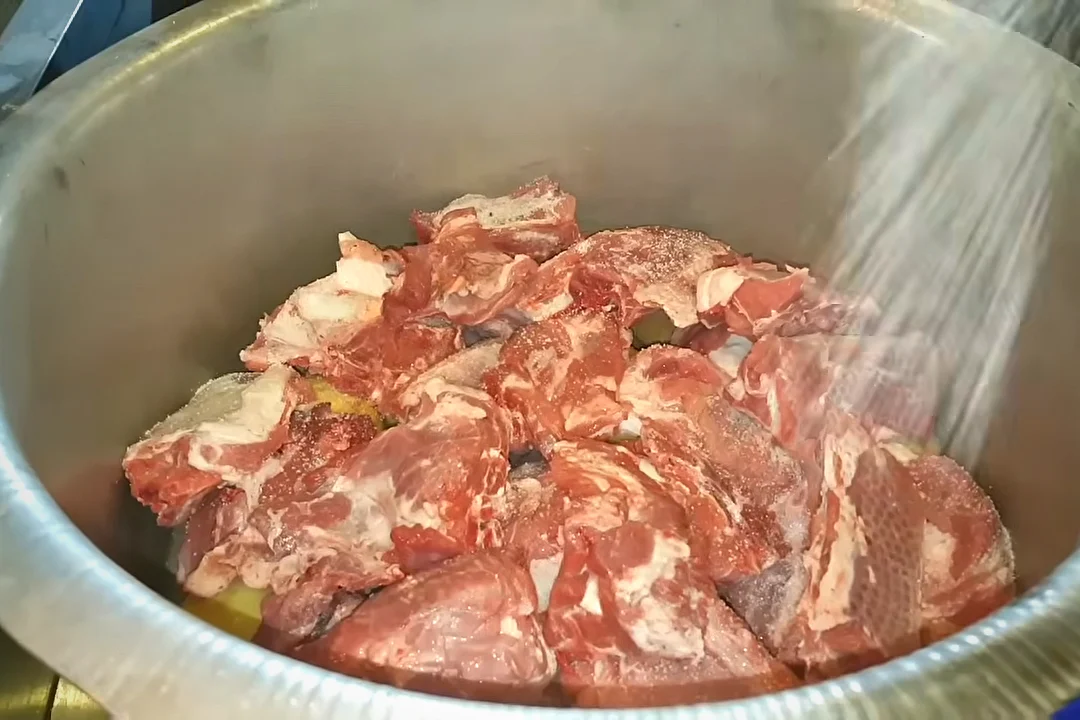
    The order in which you add ingredients matters. Start with a base of lamb fat, then layer half the mutton, followed by some salt, vegetables, and then the remaining mutton and salt. This layering ensures that all components cook evenly and that the flavors meld together harmoniously. The vegetables at the bottom also help prevent the meat from sticking and provide a natural bed for the juices to collect, contributing to a richer sauce.

  4. The Art of Sealing the Pot is Paramount

    Sealing the pot with a flour dough is not just a traditional quirk; it’s a critical technique for this Peshawari Mutton Rosh Recipe. This creates an airtight seal, transforming your pot into a makeshift pressure cooker. The steam and moisture are trapped inside, allowing the mutton to cook in its own juices and the rendered fat, resulting in incredibly tender meat that falls off the bone. Ensure the seal is tight to prevent any steam from escaping.

  5. Master the Low and Slow Cooking Method

    Patience is a virtue when making Mutton Rosh. The cooking time of 2 hours 15 minutes to 2 hours 30 minutes on a very low flame is non-negotiable. This extended slow cooking breaks down tough muscle fibers, tenderizes the meat, and allows the flavors to deepen and concentrate. Rushing the process by increasing the heat will result in tough meat and a less flavorful dish. Trust the process, and let time work its magic.

  6. Embrace Minimal Spices: Salt is Your Star

    Unlike many Pakistani dishes, the beauty of Mutton Namkeen Gosht lies in its simplicity. The recipe primarily calls for salt and the natural flavors of the mutton, lamb fat, and vegetables. Resist the urge to add excessive spices like ginger-garlic paste, turmeric, or red chili powder. The goal is to highlight the pure, unadulterated taste of the lamb. A simple sprinkle of salt is all that’s needed to bring out its best.

  7. Add Potatoes for Texture and Flavor Absorption

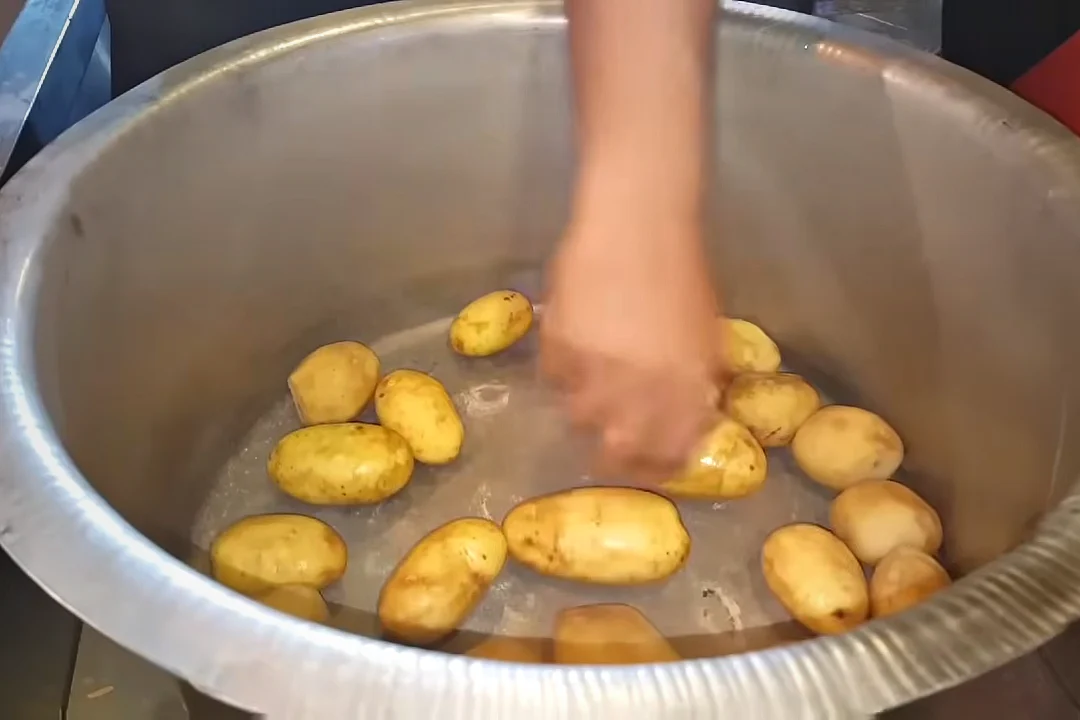
    Potatoes aren’t just a filler; they play a crucial role in the texture and flavor of Peshawari Mutton Rosh. Added towards the beginning, they absorb the rich juices and flavors from the mutton and lamb fat, becoming incredibly soft and flavorful themselves. They also add a delightful textural contrast to the tender meat and contribute to the overall heartiness of the dish. Ensure they are medium-sized so they don’t disintegrate completely.

Common MistakePro FixWhy It Matters
Not sealing the pot properly.Ensure a thick, continuous flour dough strip forms an airtight seal between the lid and the pot.A proper seal traps steam, creating an internal pressure that tenderizes the meat efficiently and infuses flavors.
Cooking on high heat.Maintain a very low flame throughout the entire cooking duration (2.15-2.30 hours).High heat toughens the meat and evaporates moisture too quickly, preventing the slow breakdown needed for tenderness.
Using lean, boneless mutton.Always opt for bone-in mutton cuts with some fat, like shoulder or leg pieces.Bones and fat add immense flavor and gelatinous texture, which are critical for authentic Rosh.
Adding too many spices.Stick to salt as the primary seasoning; let the natural flavors of mutton and lamb fat dominate.Over-spicing masks the delicate, natural taste of the mutton, which is the hallmark of Mutton Namkeen Gosht.
Not adding lamb fat (chakki).Include 150 grams of lamb fat for every 1 kg of mutton, as specified.Lamb fat is essential for moisture, richness, and the unique traditional flavor profile of Rosh.

Notes

Storage:

Cooked Peshawari Mutton Rosh can be stored in an airtight container in the refrigerator for up to 3-4 days. For longer storage, it freezes beautifully for up to 2-3 months. Thaw overnight in the refrigerator and reheat gently on the stovetop or in the microwave, adding a splash of water if needed to maintain moisture. The flavors often deepen and meld even further after a day or two, making it a fantastic make-ahead meal for busy weeknights or entertaining.

Serving Suggestions:

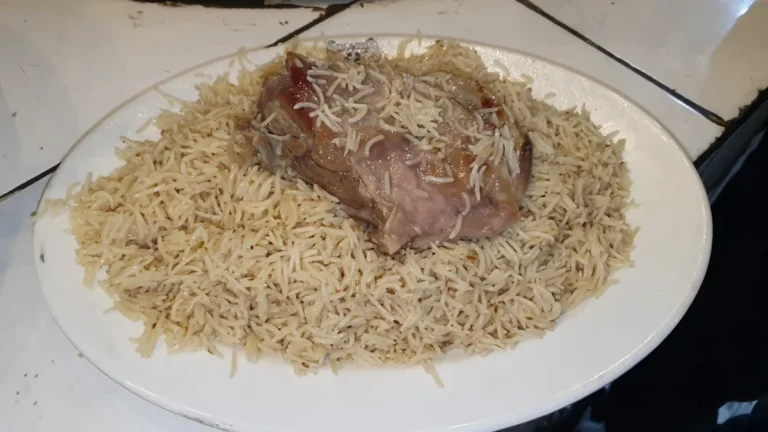
This Mutton Namkeen Gosht is best enjoyed hot, straight from the pot. Traditionally, it’s served with freshly baked naan, roti, or chapati, which are perfect for scooping up the tender meat and rich juices. A simple side of fresh salad, sliced onions, or a cooling raita (yogurt dip) can complement the richness of the Rosh beautifully. Some people also enjoy it with plain white rice, allowing the robust flavors of the mutton to shine through.

Variations:

While authentic Rosh is minimalist, you can slightly adapt it to your preference. For a hint of warmth, a small piece of ginger or a few cloves of garlic can be added whole at the beginning, but ensure they don’t overpower the mutton. Some might add a pinch of black pepper for a subtle kick. However, for the true experience of this Peshawari Mutton Rosh Recipe, we recommend sticking to the traditional ingredients and method as closely as possible. If you like a little more spice, you can add an extra green chili or two, or even a few dried red chilies, for a gentle heat that complements the savory mutton.

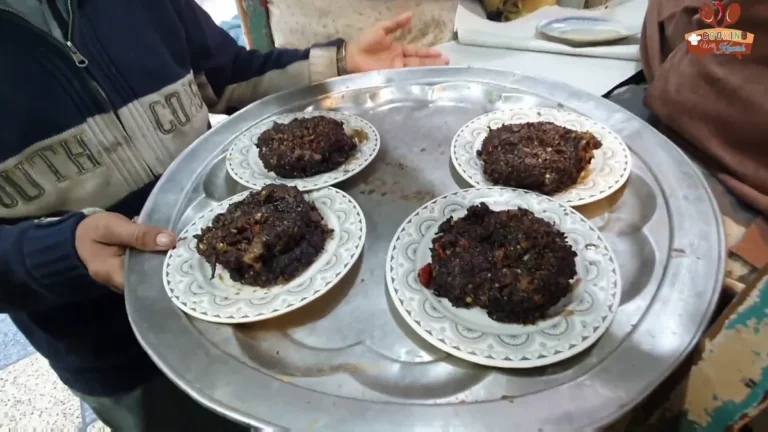
For those who love hearty meat dishes, exploring other regional specialties is a joy. Consider trying our Peshawari Chapli Kabab for another taste of traditional Frontier cuisine. The principles of using quality meat and simple, impactful flavors are often shared across these beloved dishes, making them truly special.

Peshawari Mutton Rosh Recipe - Cooking with Kawish

Mutton Rosh Recipe | Mutton Namkeen Gosht Recipe

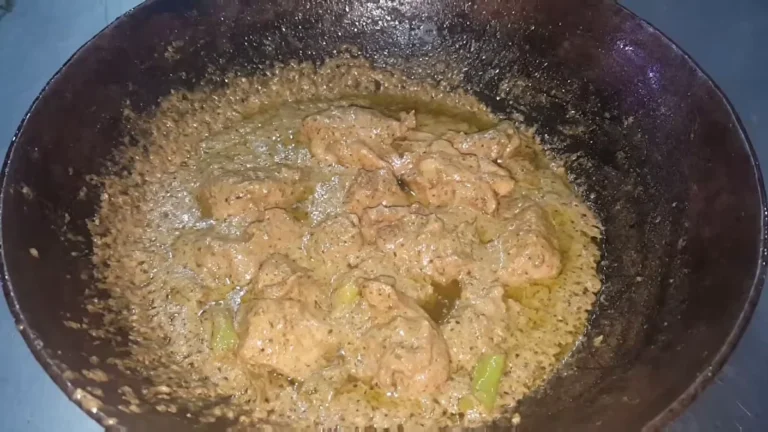
Mutton Rosh Recipe, also known as Mutton Namkeen Gosht, is a popular Pakistani dish made with tender mutton pieces cooked in a flavorful mixture of spices. This authentic restaurant-style recipe is a must-try for all mutton lovers. With its rich and aromatic flavors, it is sure to become a favorite in your household.
Prep Time 25 minutes
Cook Time 50 minutes
Total Time 1 hour 15 minutes
Servings: 4 Persons
Course: Main Course
Cuisine: Karachi / Pakistani, Restaurant Style
Calories: 520

Ingredients
  

Main Ingredients
  • 1 kg mutton cut into pieces
  • 2 tbsp ginger garlic paste
  • 1 tsp cumin seeds
  • 1 tsp coriander seeds
Spices
  • 1 tsp red chili powder
  • 1 tsp garam masala powder
  • 1 tsp turmeric powder
  • 1 tsp salt
  • 2 tbsp vegetable oil
  • 2 tbsp yogurt
  • 1 tsp green chili paste
Garnish
  • 1 inch ginger julienned
  • 1 tbsp fresh cilantro

Method
 

Step 1: Preparation
  1. First, heat 1 tablespoon of oil in a pan over medium heat. Add the cumin seeds and coriander seeds, and let them sizzle for a few seconds.
  2. Add the ginger garlic paste and sauté for 1-2 minutes, until fragrant.
Step 2: Marination
  1. In a large bowl, combine the mutton pieces, red chili powder, garam masala powder, turmeric powder, salt, and green chili paste. Mix well to coat the mutton evenly.
  2. Add the yogurt and mix well. Cover the bowl with plastic wrap and refrigerate for at least 30 minutes or overnight.
Step 3: Cooking
  1. Heat 1 tablespoon of oil in a large pan over medium heat. Remove the mutton from the marinade, letting any excess liquid drip off.
  2. Add the mutton to the pan and cook until browned on all sides, about 5-7 minutes.
  3. Add 1 cup of water to the pan and bring to a boil. Reduce the heat to low, cover the pan, and simmer for 20-25 minutes, or until the mutton is tender.
Step 4: Finishing Touches
  1. Stir in the ginger julienned and fresh cilantro. Cook for an additional 2-3 minutes, until the flavors are combined.
  2. Serve the Mutton Rosh hot, garnished with additional ginger and cilantro if desired.

Video

Notes

Storage: 3 days fridge, 2 months freezer. Reheat stovetop. Pro tip: Use high-quality spices for the best flavor. Serving suggestion: Serve with naan or rice.

Frequently Asked Questions (FAQs)

What exactly is Peshawari Mutton Rosh?

Peshawari Mutton Rosh, also known as Mutton Namkeen Gosht, is a traditional Pakistani dish originating from the Khyber Pakhtunkhwa region, particularly Peshawar. It is characterized by its simplicity, primarily using mutton, lamb fat, salt, and a few vegetables like potatoes, tomatoes, and onions. The meat is slow-cooked in a sealed pot, allowing it to become incredibly tender and flavorful, relying on the natural taste of the mutton rather than heavy spices. This unique cooking method ensures that the Mutton Rosh Recipe yields succulent, fall-off-the-bone meat.

Can I use beef or chicken instead of mutton for this recipe?

While the traditional Peshawari Mutton Rosh Recipe specifically calls for mutton, you can adapt the concept to other meats. Beef Rosh is also popular in some regions, though it may require a slightly longer cooking time to achieve the same tenderness. Chicken, being much quicker to cook, would not benefit from the long, slow cooking method and would likely become dry. For an authentic experience and the best flavor, sticking to mutton or lamb is highly recommended for Mutton Namkeen Gosht.

Why is it necessary to seal the pot with flour dough?

Sealing the pot with flour dough is a crucial traditional technique for preparing Peshawari Mutton Rosh. This creates an airtight seal, essentially turning your cooking pot into a makeshift pressure cooker. The trapped steam and moisture circulate within, allowing the mutton to cook in its own juices and the rendered lamb fat. This process results in exceptionally tender meat that falls off the bone and a concentrated, deeply infused flavor profile that cannot be achieved with an unsealed pot. It’s key to the authentic texture and taste of Mutton Namkeen Gosht.

How long does it take to cook Mutton Rosh on a low flame?

The cooking time for Peshawari Mutton Rosh on a low flame is typically between 2 hours and 15 minutes to 2 hours and 30 minutes. This extended slow cooking period is essential for breaking down the tough fibers of the mutton, rendering the fat, and allowing all the flavors to meld together perfectly. Rushing the process will compromise the tenderness and the depth of flavor that defines a truly great Mutton Rosh. Patience is key to achieving that melt-in-your-mouth texture.

What are the best accompaniments for Mutton Namkeen Gosht?

Mutton Namkeen Gosht is traditionally served with simple accompaniments that complement its rich and savory flavor without overpowering it. Freshly baked naan, tandoori roti, or plain chapati are ideal for scooping up the tender meat and delicious juices. A side of thinly sliced raw onions, a squeeze of lemon, or a light raita (yogurt dip) can add a refreshing contrast. Some also enjoy it with plain white rice. The simplicity of the sides allows the star of the show, the flavorful Peshawari Mutton Rosh Recipe, to truly shine.

Join the Cooking with Kawish Community

Instagram: Follow @cooking_with_kawish — Tag us in your stories to get featured!

Facebook: Like Cooking with Kawish

YouTube: Subscribe to Cooking with Kawish

TikTok: Follow @cookingwithkawish

Happy Cooking!

Similar Posts

Leave a Reply

Your email address will not be published. Required fields are marked *

Recipe Rating