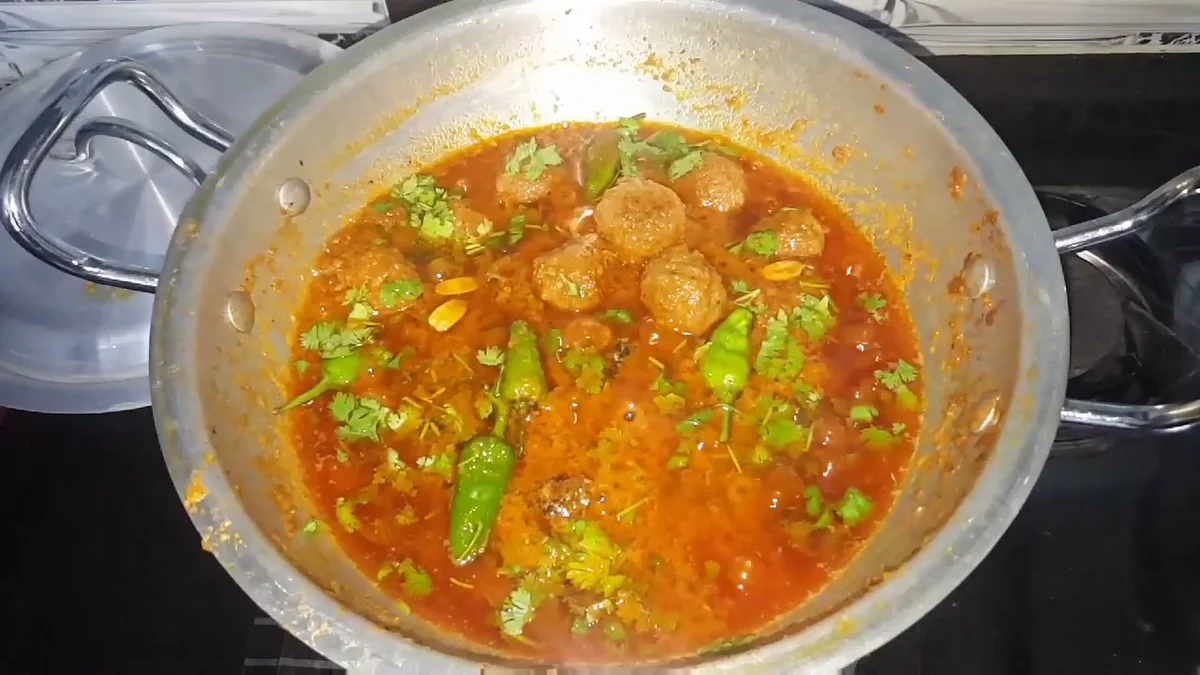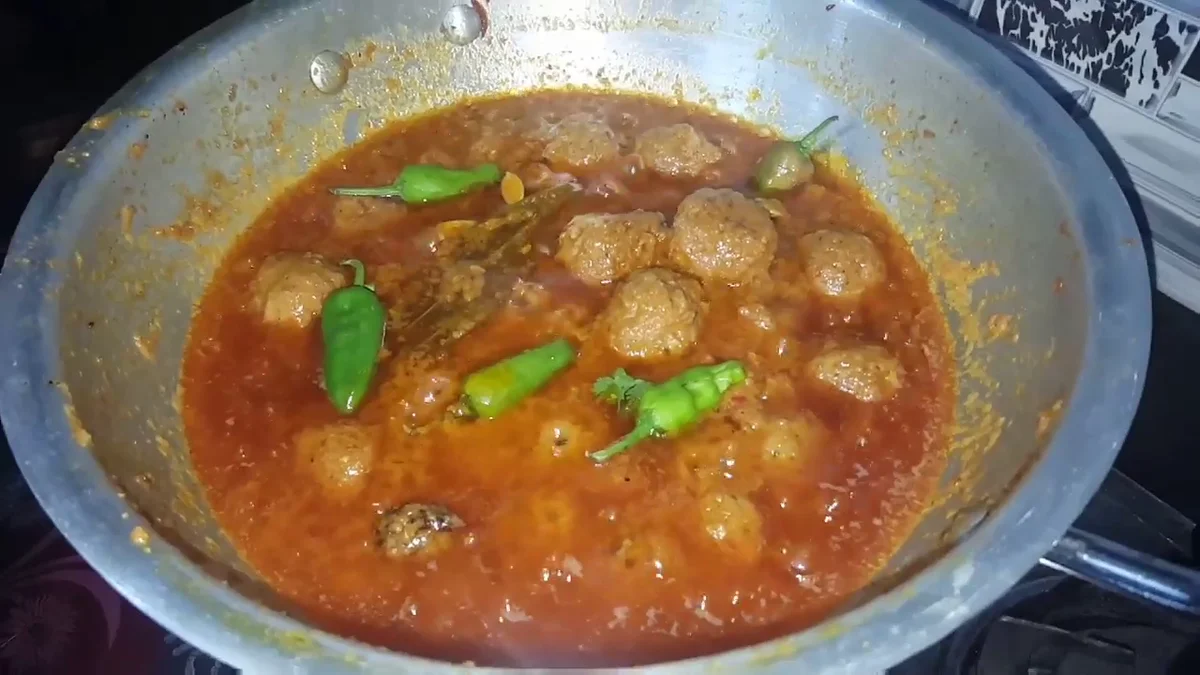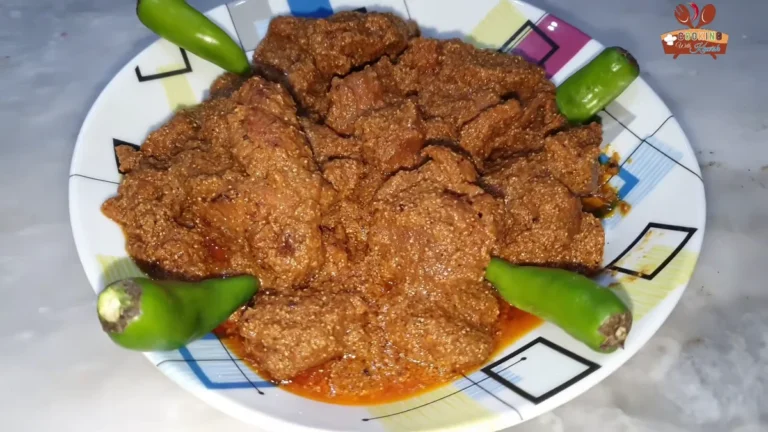

Embark on a culinary journey to the heart of Pakistan with this incredible Pakistani Special Kofta Curry Recipe. This isn’t just any kofta; it’s a meticulously crafted dish that brings together tender, flavorful meatballs in a rich, aromatic gravy.
Cooking with Kawish unveils the secrets to achieving that authentic taste, incorporating techniques and ingredients that elevate this classic to a truly special experience.
Kofta curry holds a cherished place in Pakistani cuisine, often gracing dinner tables during celebrations, family gatherings, and festive occasions.
It’s a dish that speaks of comfort, tradition, and the art of slow cooking. The blend of spices, the perfect texture of the koftas, and the velvety consistency of the gravy are what make this recipe a masterpiece.
From the initial preparation of the meat to the simmering of the final curry, every step is designed to build layers of exquisite flavor.
What sets this particular Pakistani Special Kofta Curry Recipe apart are the subtle yet impactful additions that many home cooks might overlook.
The use of roasted gram flour in the kofta mix ensures they remain tender and hold their shape beautifully, while a unique two-stage onion browning process creates the foundation for an incredibly rich and deeply flavored gravy.
These are the kinds of expert touches that transform a good dish into an unforgettable one, making it taste just like it came from a high-end Pakistani restaurant.
Prepare to impress your family and friends with a dish that showcases the depth and complexity of Pakistani flavors.
Whether you’re a seasoned chef or a home cook looking to explore new culinary horizons, this detailed guide from Cooking with Kawish will walk you through every step, ensuring a successful and delicious outcome.
For those who appreciate the robust and vibrant flavors of South Asian cooking, this kofta curry is a must-try.
If you’re eager to explore more traditional Pakistani dishes, be sure to check out our Cholistani Chicken Karahi, a fiery and flavorful street-style favorite, or the comforting Degi White Beef Biryani, perfect for large gatherings and special events.
The beauty of this Pakistani Special Kofta Curry Recipe lies in its balance. The succulent meatballs, often made from ground beef or mutton, are seasoned to perfection with ginger, garlic, green chilies, and a blend of aromatic spices.
These are then gently fried to seal in their juices before being simmered in a luscious gravy made from caramelized onions, fresh tomatoes, creamy yogurt, and a medley of whole and ground spices.
The result is a harmonious symphony of textures and tastes – spicy, savory, tangy, and utterly satisfying. It’s a dish that truly embodies the rich culinary heritage of Pakistan, inviting you to savor every spoonful.
This recipe is not just about following instructions; it’s about understanding the nuances that contribute to its authentic character.
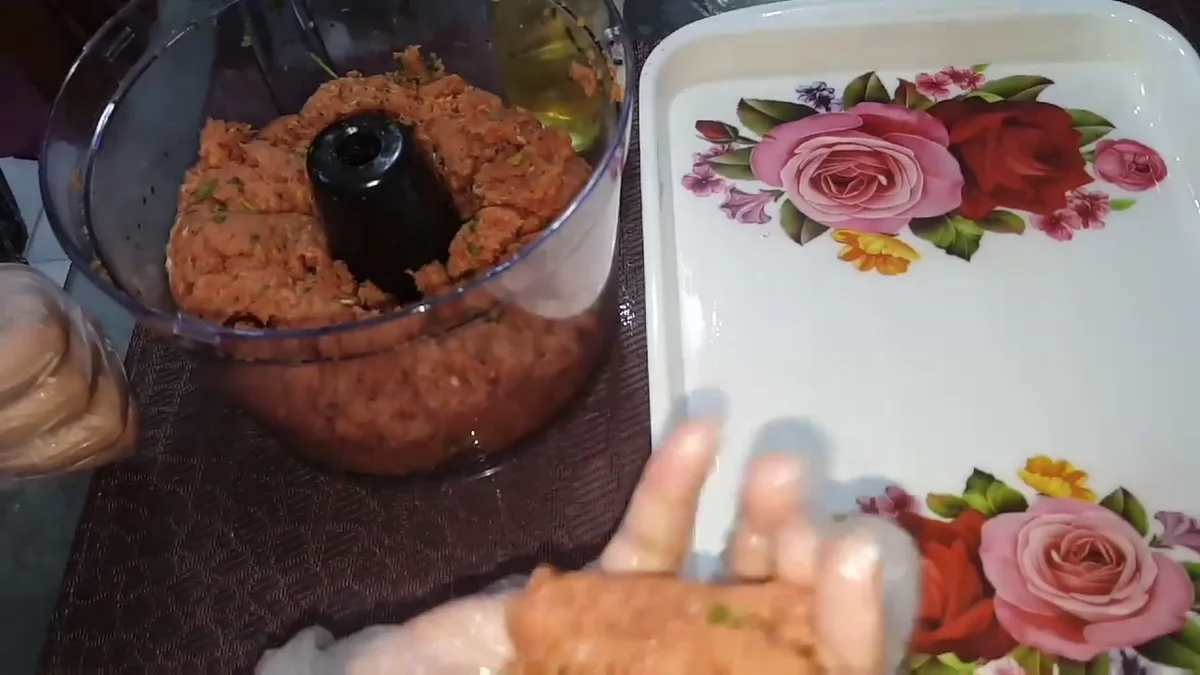
The careful blending of the kofta mixture, ensuring it’s smooth and well-incorporated, is crucial for achieving that melt-in-your-mouth texture.
Similarly, the slow cooking of the gravy allows the spices to bloom and meld together, creating a depth of flavor that cannot be rushed.
It’s a labor of love that rewards you with a dish that tastes both sophisticated and comforting, making it a perfect centerpiece for any meal.
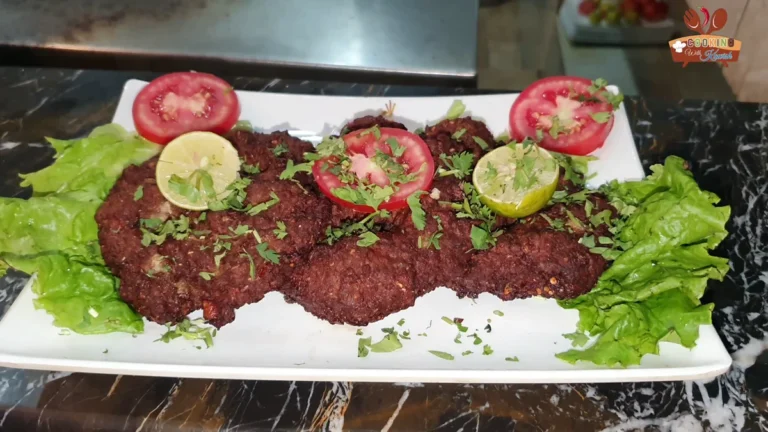
For more exquisite meat dishes, consider our Chicken Reshmi Kabab, known for its silky texture, or the robust Peshawari Chapli Kabab, a true taste of the frontier.
As you prepare this dish, you’ll notice the intoxicating aromas filling your kitchen, a testament to the powerful spices at play.
From the moment the onions begin to brown to the final garnish of fresh coriander and green chilies, the process is an experience in itself.
This Pakistani Special Kofta Curry Recipe is more than just food; it’s a celebration of flavor, tradition, and the joy of sharing a truly exceptional meal. Get ready to transform your kitchen into a haven of Pakistani culinary excellence.
Why This Pakistani Special Kofta Curry Recipe is Authentic
This Kofta Curry recipe stands out due to its adherence to traditional Pakistani cooking methods and the inclusion of specific ingredients that are hallmarks of authentic regional cuisine. Every step is carefully designed to replicate the flavors found in homes and restaurants across Pakistan.
- Perfect Kofta Texture with Roasted Gram Flour: The inclusion of roasted gram flour (besan) is a classic Pakistani technique. It acts as a binder, preventing the meatballs from breaking apart, while also contributing to a wonderfully tender and moist texture. This ensures the koftas are firm enough to hold their shape yet melt in your mouth.
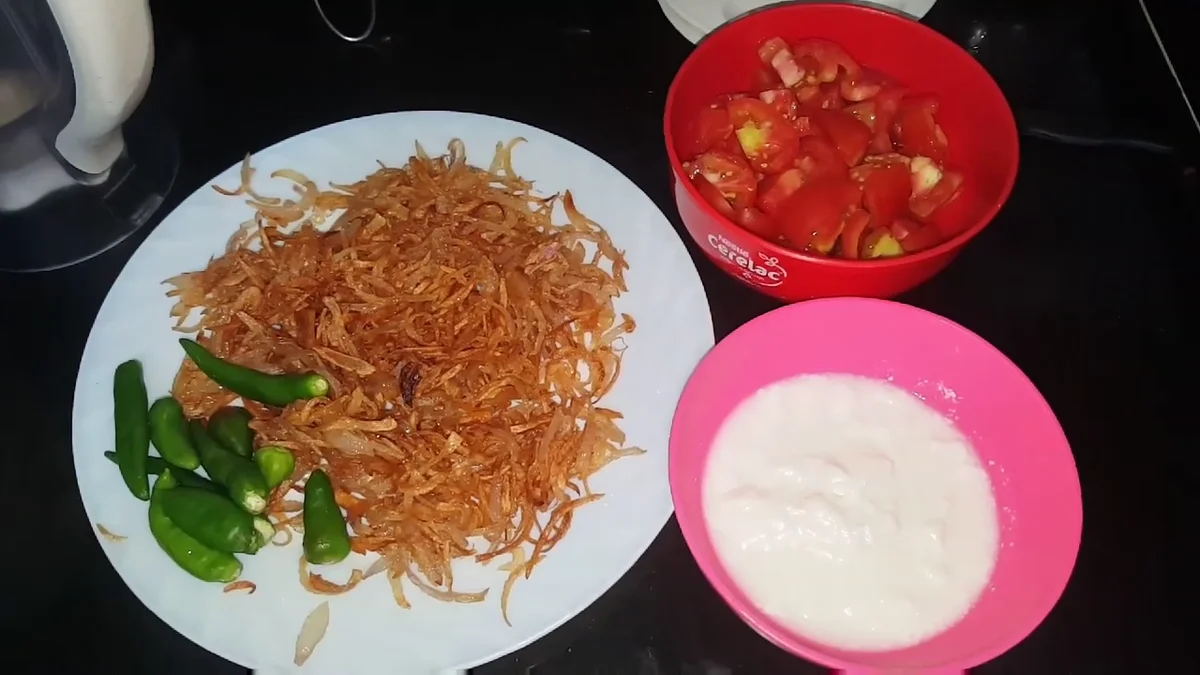
- Two-Stage Onion Browning for Gravy Depth: Instead of simply sautéing onions, this recipe employs a two-stage process: light browning followed by blending with yogurt and tomatoes. This technique creates an incredibly rich, smooth, and deeply flavored gravy base, a signature characteristic of many authentic Pakistani curries like Green Chicken Karahi.
- Balanced Spice Profile: The recipe uses a comprehensive blend of whole and ground spices, including large cardamom, cinnamon, cloves, and bay leaf for tempering, alongside turmeric, red chili, black pepper, and garam masala. This creates a complex, aromatic, and perfectly balanced flavor profile typical of Pakistani comfort food.
- Yogurt-Based Gravy: Yogurt is a cornerstone of Pakistani curry gravies, providing a creamy texture and a subtle tang that beautifully complements the richness of the meat and spices. Its inclusion in the blending process ensures a silky-smooth consistency without the need for additional cream.
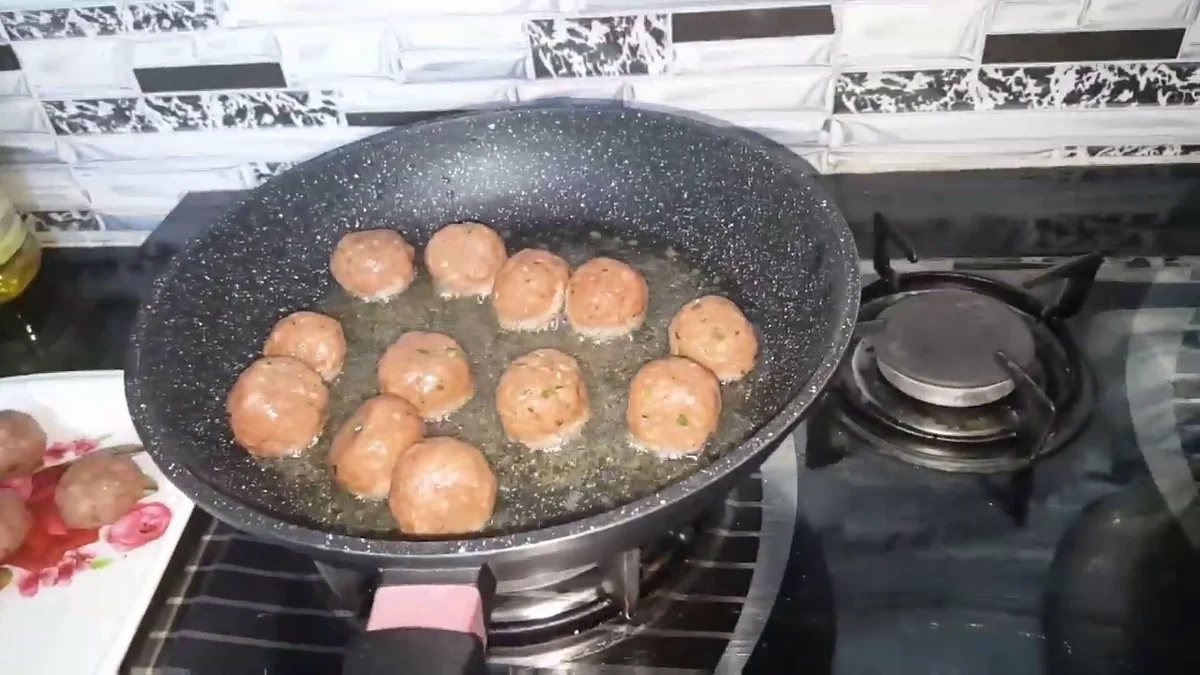
- Gentle Kofta Frying: The koftas are lightly fried for a few minutes, not deep-fried. This crucial step sears the exterior, locking in juices and flavor, without overcooking them or making them tough. It’s about building flavor and structure, not achieving a crispy crust.
7 Secrets for the Perfect Pakistani Special Kofta Curry Recipe
Achieving a truly exceptional Kofta Curry requires attention to detail and a few insider tips. These secrets will help you elevate your dish from good to absolutely outstanding, ensuring tender koftas and a rich, flavorful gravy every time.
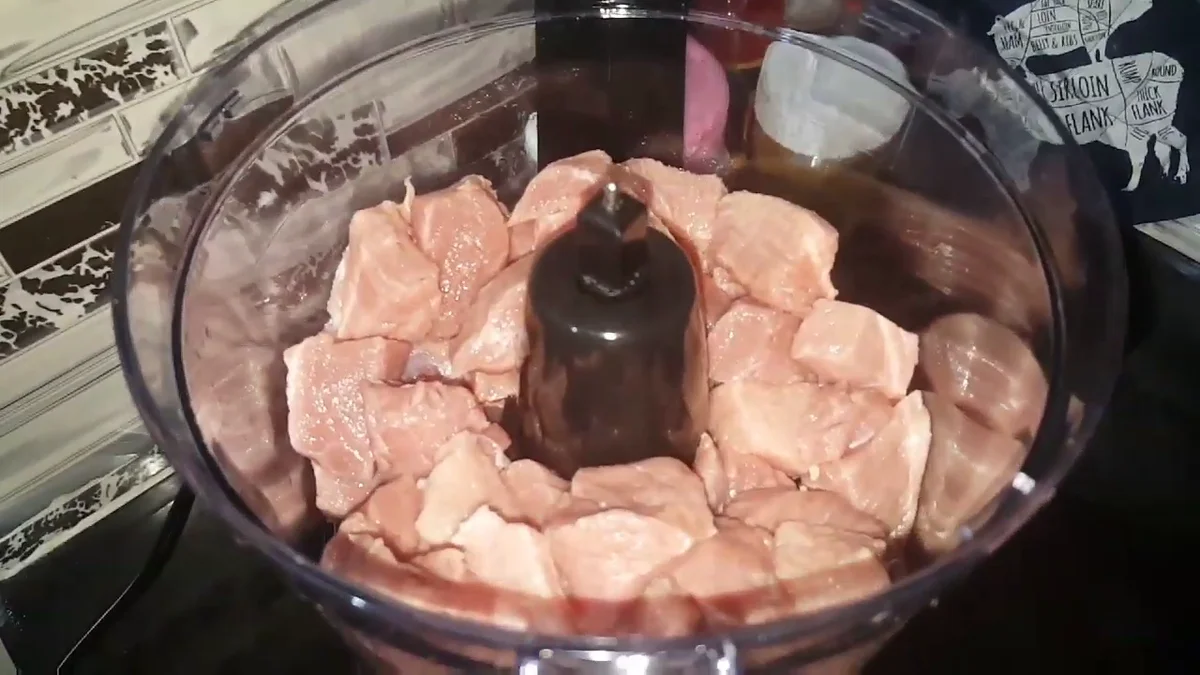
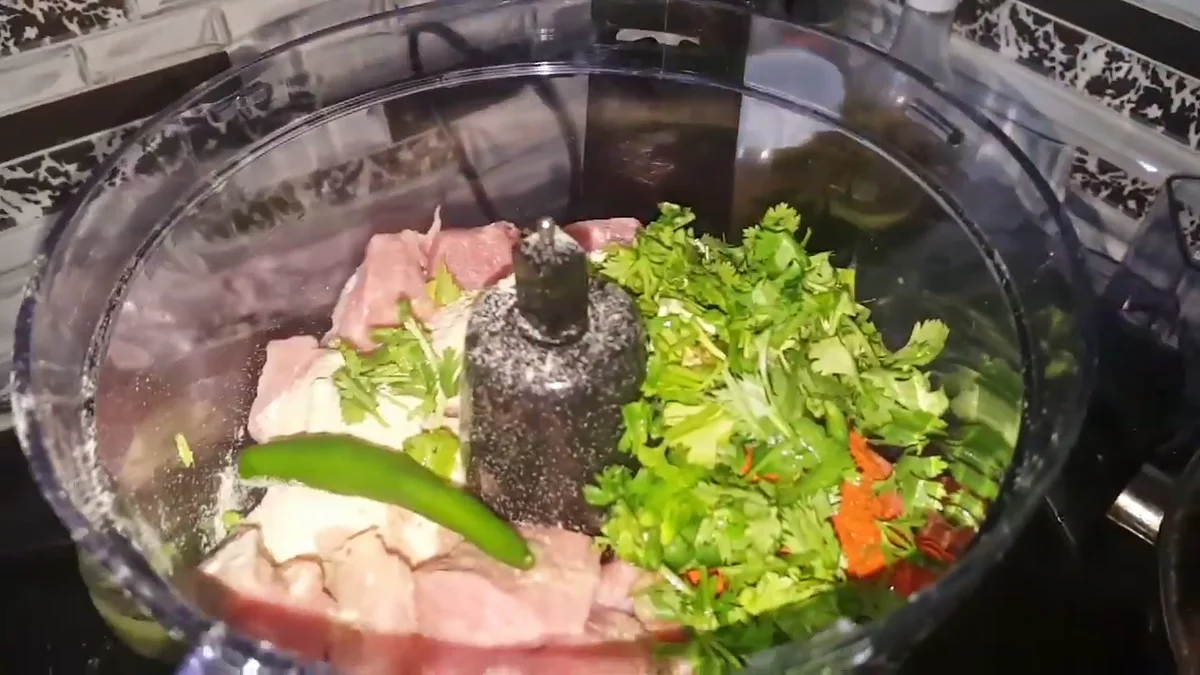
- Start with Quality Meat and Proper Blending: The foundation of great kofta is fresh, high-quality ground meat (mutton or beef). Ensure it’s lean but not completely devoid of fat for juiciness. Blend the meat with ginger-garlic paste, salt, chili powder, green chilies, coriander, and crucially, roasted gram flour, until it forms a cohesive, smooth paste. This thorough blending is key for tender koftas that hold their shape.
- Incorporate Roasted Gram Flour (Besan) Correctly: The roasted gram flour isn’t just a binder; it contributes to the unique texture and flavor. Ensure it’s well-roasted before mixing, as raw gram flour can leave an unpleasant taste. It helps the koftas stay tender and prevents them from disintegrating in the curry.
- Shape Koftas Uniformly and Fry Gently: Roll the koftas into uniform, medium-sized balls. This ensures even cooking. When frying, use medium heat and shallow fry them for just 4-5 minutes until lightly browned on all sides. Avoid deep frying, which can make them tough, and don’t overcrowd the pan. The goal is to seal the exterior and lock in moisture.
- Master the Two-Stage Onion Process for Gravy: This is a game-changer. First, light brown the onions, then remove them and blend with yogurt and tomatoes. This technique creates a silky-smooth, deeply flavored gravy without visible onion pieces, giving your curry a refined, restaurant-quality texture.
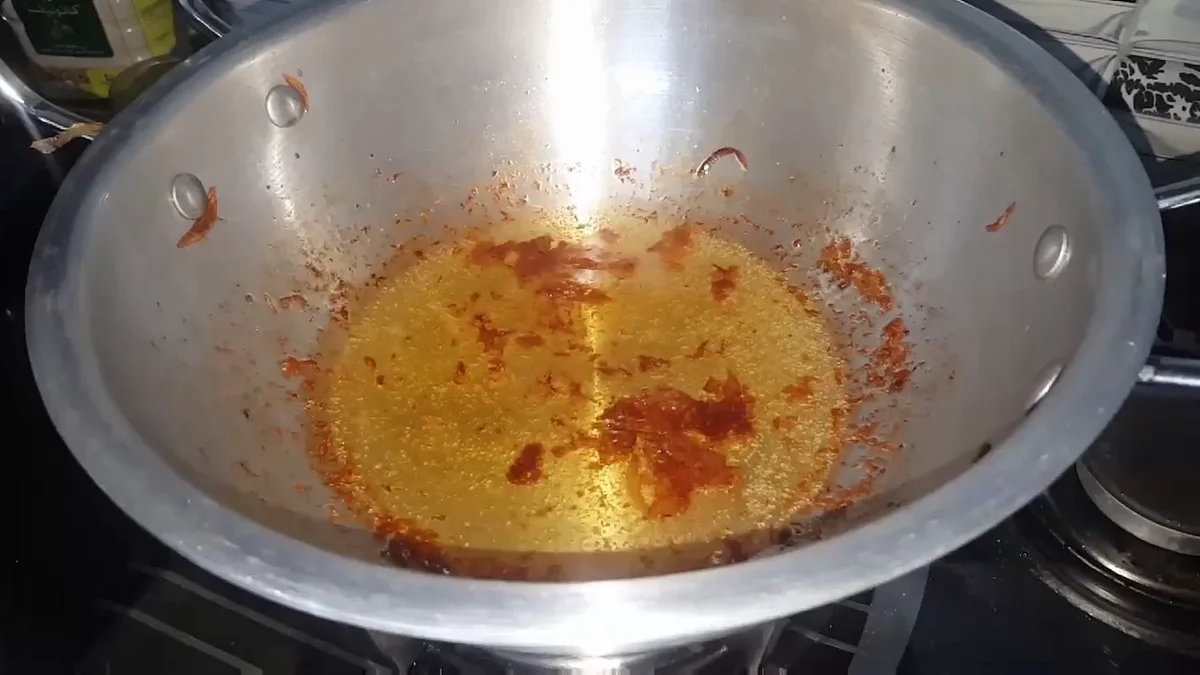
- Bloom Whole Spices in Hot Oil: Before adding the blended gravy base, temper whole spices like cinnamon, large cardamom, small cardamom, bay leaf, and cloves in hot oil for 1-2 minutes. This crucial step releases their aromatic oils, infusing the cooking oil with a foundational layer of flavor that permeates the entire curry.
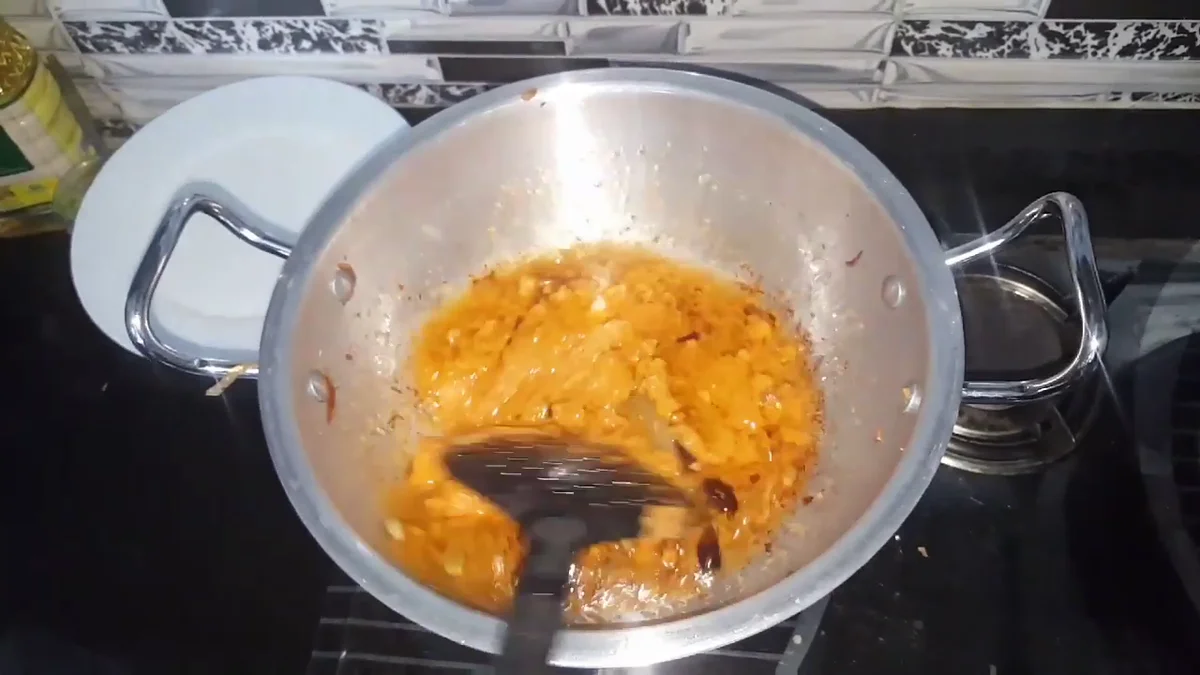
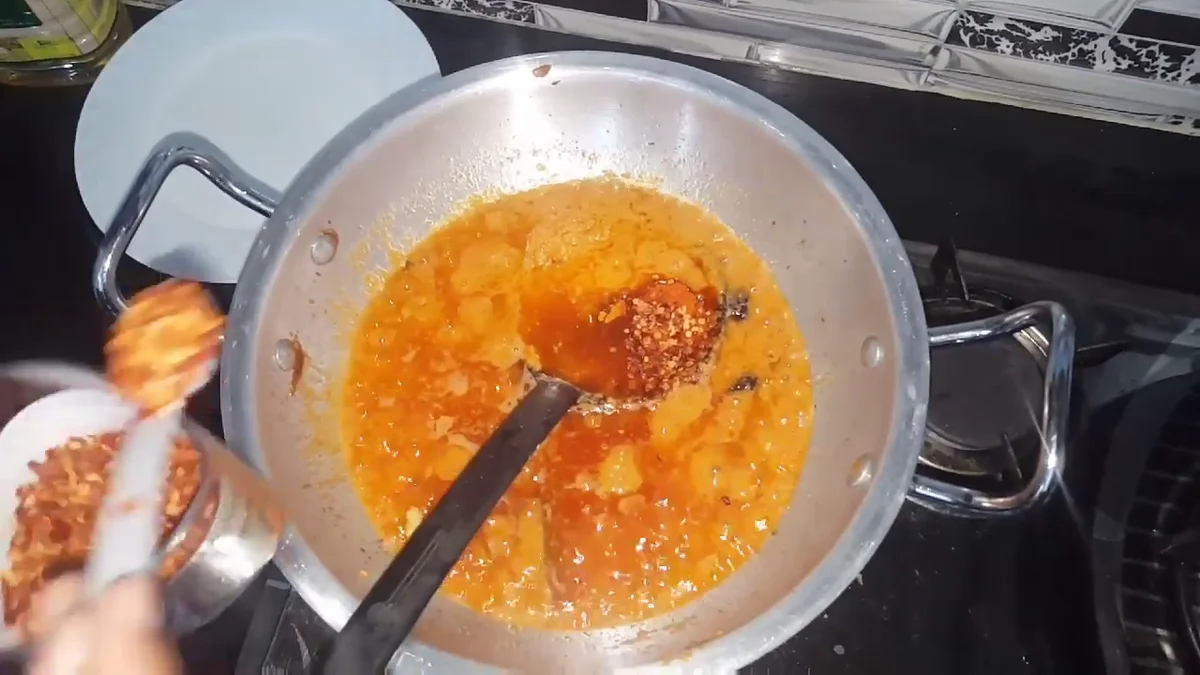
- Slow Cook the Gravy to Perfection: After adding the blended gravy and ground spices, allow it to simmer on medium-low heat, covered, for at least 7-8 minutes, or until the oil separates from the masala. This slow cooking allows the spices to meld, intensify, and develop a rich, complex flavor profile. Don’t rush this step.
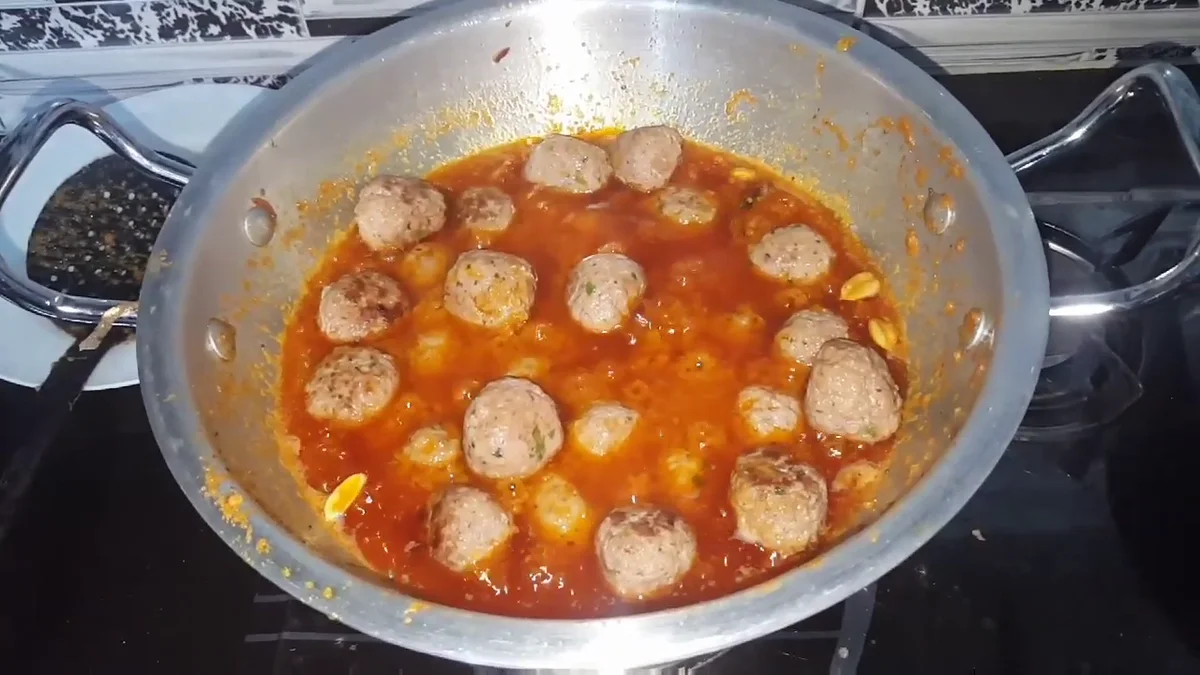
- Add Koftas and Simmer Gently: Once the gravy is perfectly cooked, gently add the pre-fried koftas. Then, add a small amount of water (about a quarter cup) and simmer, covered, for another 8-10 minutes on medium flame. This final simmer allows the koftas to absorb the flavors of the gravy without becoming overcooked or falling apart. Finish with fresh green chilies and coriander for a burst of freshness.
| Common Mistake | Pro Fix | Why It Matters |
|---|---|---|
| Koftas falling apart in the curry. | Ensure meat is thoroughly blended with roasted gram flour and other binders. Don’t add koftas to the gravy until it’s simmering gently, and avoid vigorous stirring. | Proper binding and gentle handling are crucial for maintaining the koftas’ structure. Over-stirring or adding them to a rapidly boiling gravy can cause them to break. |
| Gravy is thin or lacks depth of flavor. | Follow the two-stage onion browning and blending process. Ensure the masala is cooked thoroughly until the oil separates, indicating proper ‘bhunai’ (sautéing). | A thin gravy often results from insufficient cooking of the masala. The browning and blending of onions create a thick, rich base, and proper ‘bhunai’ develops deep, complex flavors. |
| Koftas are tough or dry. | Avoid over-blending the meat (can make it rubbery) and over-frying the koftas. Use a lean-to-fat ratio that keeps them juicy, and don’t cook them for too long in the gravy. | Overcooking meat, whether in the initial blending or frying, extracts moisture and can seize the protein, leading to a tough texture. Gentle cooking preserves tenderness. |
| Curry tastes bland or one-dimensional. | Don’t skip blooming whole spices in oil. Ensure all ground spices are fresh and added at the correct stages, allowing them to cook out fully. Adjust salt and chili to taste. | Layering flavors from whole spices, fresh ginger-garlic, and ground spices is essential. Each spice contributes uniquely, and proper cooking allows their full potential to emerge. |
| Gravy has a raw onion or tomato taste. | Ensure onions are properly browned before blending. Cook the blended gravy mixture thoroughly until the raw aroma dissipates and the oil separates, indicating it’s fully cooked. | Undercooked onions and tomatoes contribute an unpleasant raw taste. Proper browning caramelizes sugars, and thorough cooking of the blended mixture eliminates harshness. |
Notes
Storage: Leftover Kofta Curry can be stored in an airtight container in the refrigerator for up to 3-4 days. For longer storage, it freezes beautifully for up to 2-3 months. Thaw overnight in the refrigerator and reheat gently on the stovetop or in the microwave, adding a splash of water if the gravy has thickened too much.
Serving Suggestions: This Pakistani Special Kofta Curry Recipe is incredibly versatile. It pairs wonderfully with freshly baked naan bread, roti, or chapati, perfect for soaking up every last drop of the rich gravy. For a more complete meal, serve it alongside fragrant basmati rice, a simple cucumber raita (yogurt dip), or a fresh green salad. Garnish with additional fresh coriander and thinly sliced green chilies for an extra pop of color and mild heat.
Variations: While this recipe is truly authentic, you can certainly experiment with variations. For a richer kofta, you could add a pinch of saffron or a touch of cream to the gravy at the very end. If you prefer a vegetarian alternative, consider using paneer (Indian cheese) or mixed vegetables to create koftas, adjusting the binding agents accordingly. You can also experiment with different types of meat, such as chicken or lamb, ensuring the fat content is suitable for shaping the meatballs.


Pakistani Special Kofta Curry Recipe
Ingredients
Method
- Grind the mutton or beef in a grinder until it’s well minced.
- Add ginger and garlic paste, salt, red chili powder, turmeric powder, coriander powder, and garam masala powder to the minced meat and mix well.
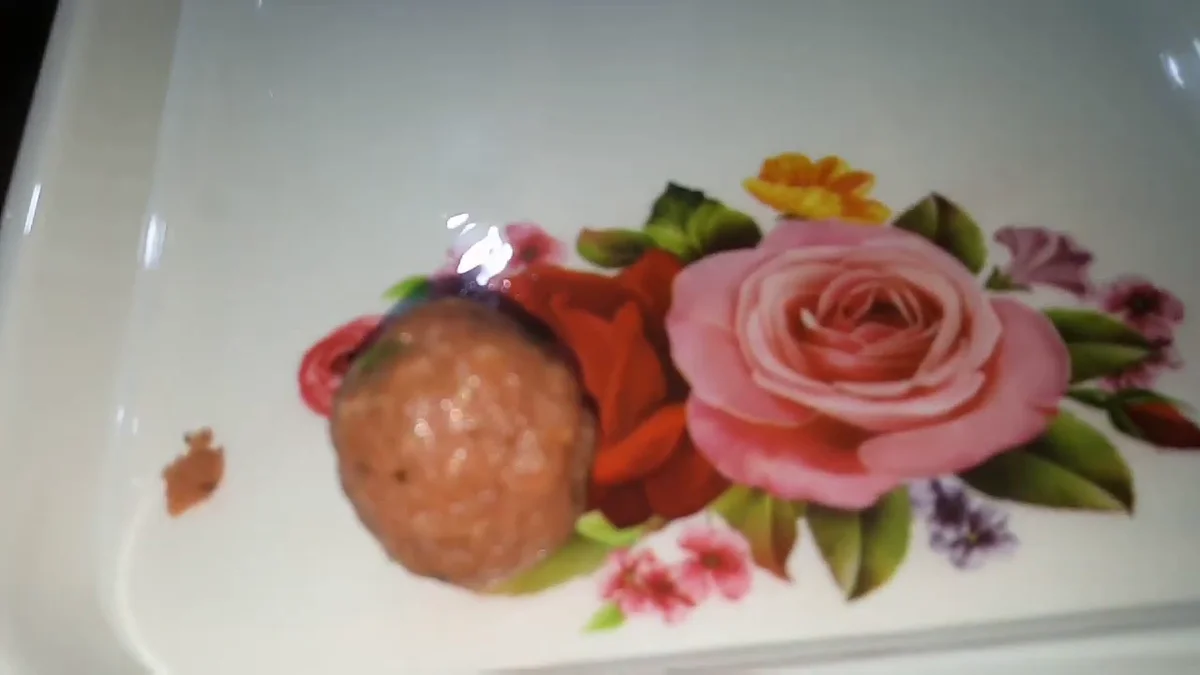
- Make small balls from the minced meat mixture and flatten them slightly.
- Heat oil in a pan and fry the koftas until they’re golden brown.
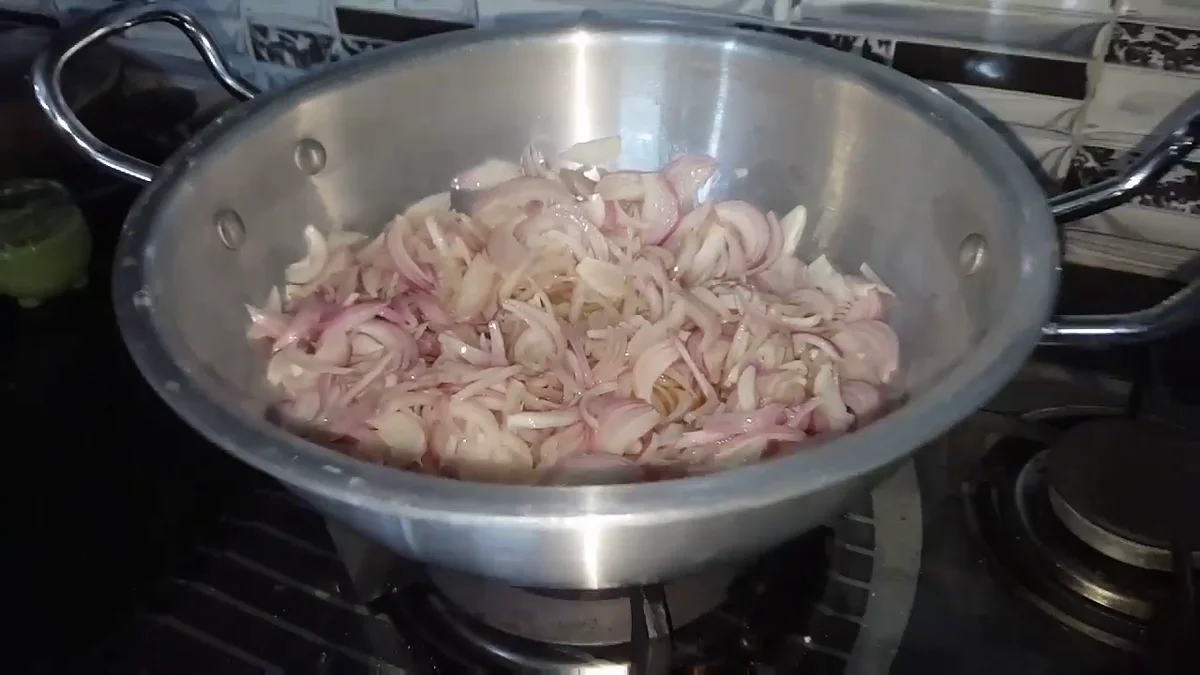
- Heat oil in a pan and add onions. Fry until they’re lightly browned.
- Add yogurt, ginger and garlic paste, turmeric powder, red chili powder, coriander powder, and garam masala powder to the pan and mix well.
- Add the fried koftas to the curry and cook for 5-7 minutes.
- Garnish with fresh coriander, green chilies, and serve hot.
Video
Notes
Frequently Asked Questions (FAQs)
How do I prevent my koftas from breaking apart during cooking?
Preventing koftas from breaking is a common concern, but easily managed with a few key steps. First, ensure your ground meat is well-kneaded and thoroughly blended with the binding agents like roasted gram flour (besan), ginger-garlic paste, and other spices. The meat mixture should be cohesive and sticky, not crumbly. Second, form your koftas firmly and uniformly. Third, lightly fry them for 4-5 minutes before adding them to the gravy; this creates a protective crust. Finally, add the fried koftas to a gently simmering gravy, not a rapidly boiling one, and avoid excessive stirring, especially in the initial minutes after adding them. These steps collectively ensure your koftas remain intact and perfectly shaped.
Can I make this Pakistani Special Kofta Curry Recipe ahead of time?
Absolutely! Kofta curry is one of those dishes that often tastes even better the next day, as the flavors have more time to meld and deepen. You can prepare the entire dish a day in advance and store it in an airtight container in the refrigerator. When ready to serve, gently reheat it on the stovetop over low to medium heat, stirring occasionally. You might need to add a small amount of water or broth to loosen the gravy if it has thickened too much overnight. This makes it an excellent option for entertaining or meal prepping, allowing you to enjoy a delicious, stress-free meal.
What’s the difference between shallow frying and deep frying the koftas?
The distinction between shallow frying and deep frying is crucial for koftas. Shallow frying involves cooking the koftas in a small amount of oil, just enough to cover about half their surface, requiring you to turn them to cook evenly. This method creates a light crust, seals in the juices, and prevents the koftas from becoming tough or dry. Deep frying, on the other hand, submerges the koftas entirely in hot oil, leading to a much thicker, crispier crust and a higher risk of overcooking the interior, making them dense and less tender. For this Pakistani Special Kofta Curry Recipe, shallow frying is preferred to maintain the koftas’ delicate texture and allow them to absorb the gravy’s flavors more effectively.
Can I use chicken or lamb instead of beef/mutton for the koftas?
Yes, you can certainly adapt this Pakistani Special Kofta Curry Recipe to use ground chicken or lamb. The core principles of binding and seasoning remain the same. If using chicken, opt for ground thigh meat for better flavor and moisture, as breast meat can be too lean and result in dry koftas. For lamb, choose a cut with a good fat ratio. You might find that chicken koftas cook a little faster, so adjust frying and simmering times accordingly. The overall flavor profile of the curry will still be rich and delicious, simply with a slightly different meat character. Ensure the meat is finely ground for the best kofta texture.
Why is it important to cook the gravy until the oil separates?
Cooking the gravy until the oil separates, a technique known as “bhunai” in South Asian cooking, is a fundamental step for developing deep flavor and a desirable texture. This process signifies that the spices have been thoroughly cooked, their raw aromas have dissipated, and their flavors have fully bloomed and integrated with the other ingredients. When the oil separates and rises to the surface, it indicates that most of the water content has evaporated, concentrating the flavors and resulting in a thick, rich, and glossy gravy. Skipping this step can lead to a curry that tastes raw, watery, or lacks the characteristic depth and complexity that makes Pakistani Kofta Curry so delicious.
Join the Cooking with Kawish Community
Ready to master more authentic Pakistani recipes and connect with a vibrant community of food lovers? Join Cooking with Kawish across our social media platforms for daily inspiration, cooking tips, and behind-the-scenes glimpses!
Instagram: Follow @cooking_with_kawish — Tag us in your stories to get featured!
Facebook: Like Cooking with Kawish
YouTube: Subscribe to Cooking with Kawish
TikTok: Follow @cookingwithkawish
Happy Cooking!