Authentic Beef Haleem Recipe - Cooking with Kawish

Embark on a culinary journey to create the most authentic Beef Haleem recipe right in your kitchen. This isn’t just any dish; it’s a celebration of rich flavors, creamy textures, and an age-old tradition that brings families together. Haleem, a beloved Pakistani delicacy, is a slow-cooked stew made from a blend of lentils, wheat, and tender shredded beef, all simmered with aromatic spices to perfection. Its distinctive consistency and complex taste profile make it a true masterpiece of South Asian cuisine, often reserved for special occasions or enjoyed as a hearty, comforting meal.

The art of making Haleem lies in patience and precision. From soaking the grains and lentils to slow-cooking the beef until it’s fall-apart tender, every step contributes to its legendary status. Many home cooks shy away from preparing Haleem due to its perceived complexity, but with the right guidance, it’s an incredibly rewarding experience. Our detailed guide, inspired by the expertise of Cooking with Kawish, breaks down the process, ensuring that even novice chefs can achieve a Haleem that rivals the best restaurants.

What sets an authentic Beef Haleem recipe apart is the depth of flavor achieved through hours of simmering. The lentils and wheat break down into a smooth, porridge-like base, while the beef is painstakingly shredded into fine strands, creating a unique texture that is both satisfying and luxurious. This dish is not merely food; it’s a testament to culinary heritage, a labor of love that results in a dish capable of warming both body and soul. Its rich, savory notes are a symphony on the palate, making it a truly unforgettable dining experience.

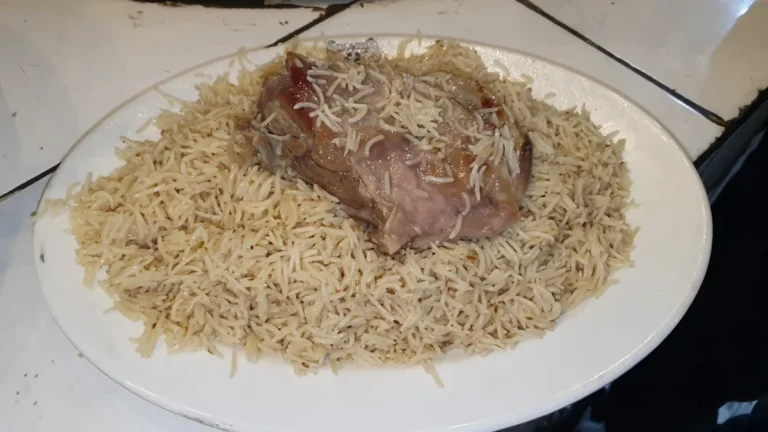
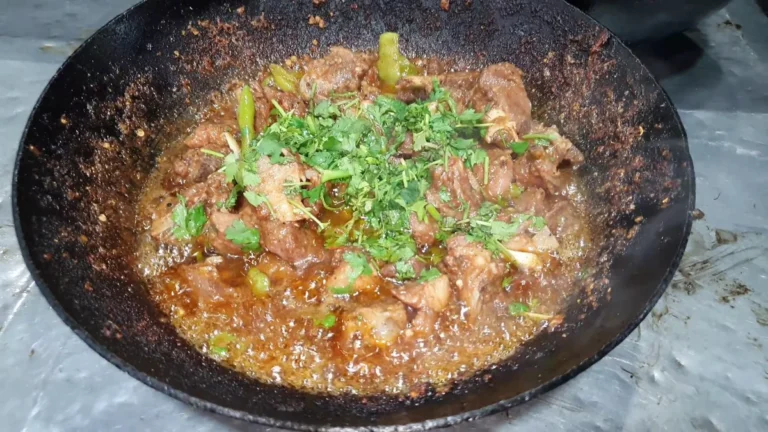
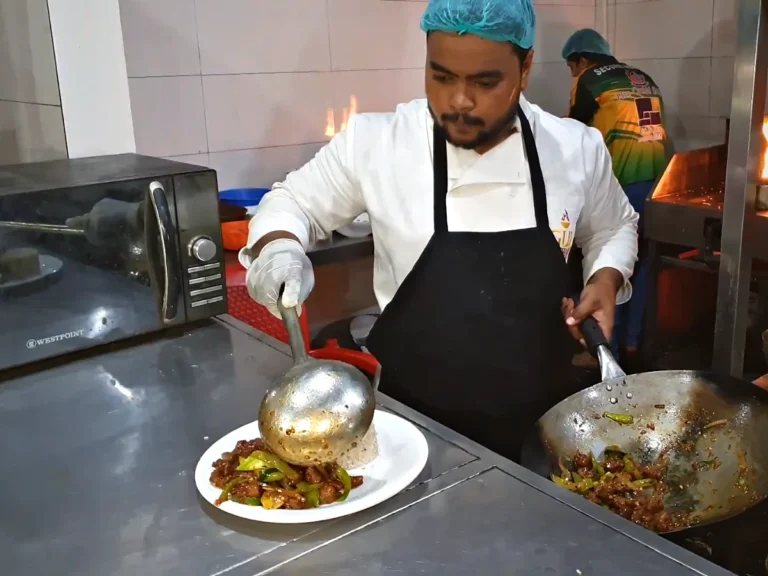
While Haleem is a star in its own right, the versatility of beef in Pakistani cuisine is boundless. If you’re a fan of rich, meaty dishes, you might also enjoy exploring our White Beef Biryani, a fragrant and flavorful rice dish that’s perfect for gatherings. For something with a bit of a kick, our Beef Chilli Dry offers a tantalizing blend of spices. And if you’re looking for a taste of the frontier, the robust flavors of Shinwari Beef Kabab are simply irresistible. For those who appreciate tender, marinated cuts, the Beef Pasanday Bihari Style provides a melt-in-your-mouth experience, while the Makhni Dum Keema offers a creamy, aromatic twist on a classic. Each of these recipes showcases the incredible range and depth of Pakistani beef preparations, promising a delightful culinary adventure for every palate.

Why This Authentic Beef Haleem Recipe is Authentic

  • Traditional Grain and Lentil Blend: This recipe utilizes the classic combination of chana dal, moong dal, masoor dal, and whole wheat (gandum), which is fundamental to achieving the characteristic texture and flavor of authentic Haleem. The proportions are carefully balanced to create the perfect base.
  • Slow-Cooked, Shredded Beef: The beef is cooked for hours on a low flame until it’s incredibly tender, allowing it to be easily shredded into fine strands. This labor-intensive process is crucial for the unique fibrous texture that defines traditional Haleem, ensuring every bite is rich with succulent meat.
  • Expert Spice Blend: A carefully measured blend of red chili, turmeric, garam masala, coriander, and salt is used, creating a complex and aromatic flavor profile without overpowering the natural taste of the beef and grains. The addition of ginger-garlic paste and yogurt further enhances the depth.
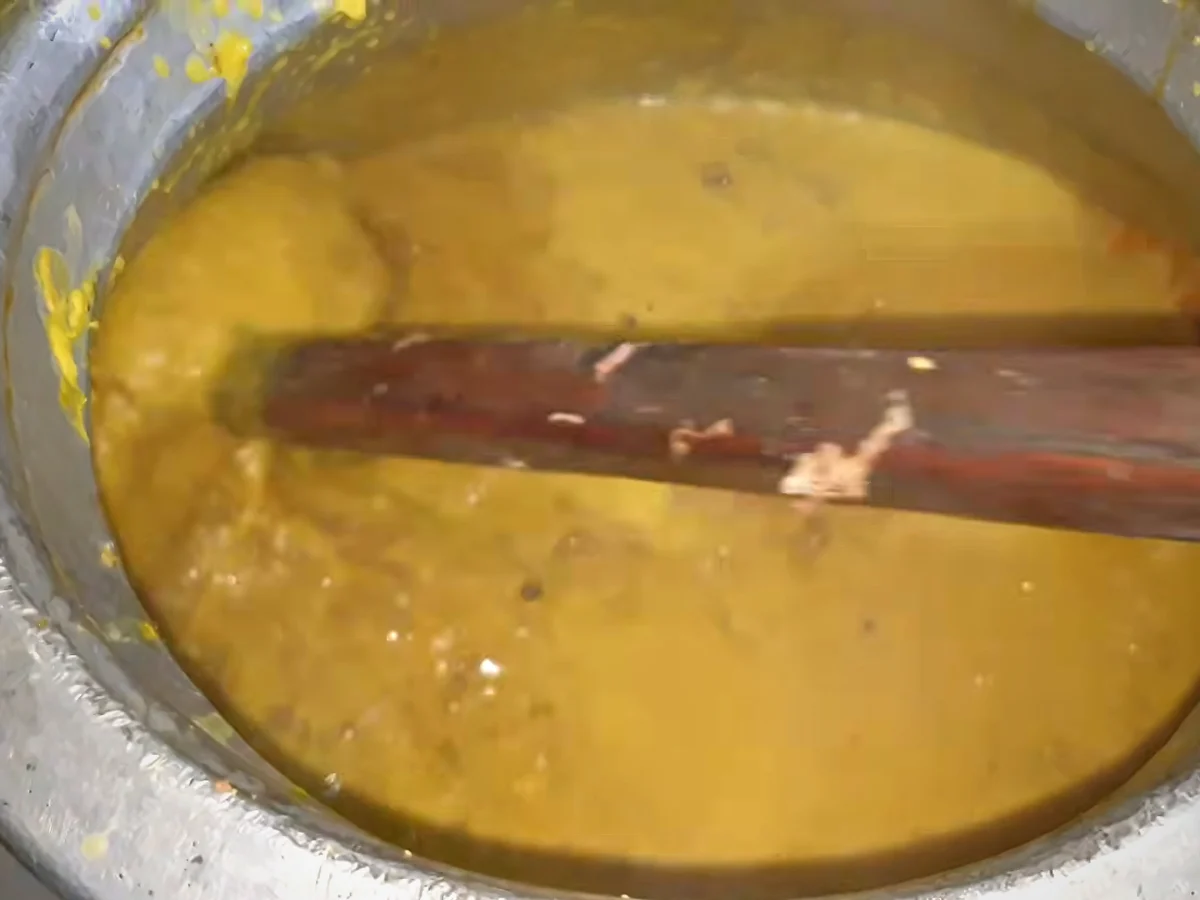
  • The “Ghutai” Technique: The vigorous mashing and mixing process, known as “ghutai,” is a hallmark of authentic Haleem preparation. This step emulsifies the ingredients, transforming them into a smooth, homogeneous, and creamy consistency that is signature to this dish. It’s a key factor in developing the final texture.
  • Layered Flavor Development: The recipe emphasizes cooking the beef and lentils separately before combining them, allowing each component to develop its full flavor. The gradual addition of reserved beef gravy and the final tempering (baghaar) further layer the flavors, resulting in a truly rich and harmonious Haleem.

7 Secrets for the Perfect Authentic Beef Haleem Recipe

Crafting the perfect Beef Haleem is an art form, a symphony of patience and technique. While the ingredient list might seem straightforward, the magic lies in the execution. Here are seven crucial secrets that will elevate your authentic Beef Haleem recipe from good to absolutely unforgettable, ensuring you achieve that rich texture and profound flavor that defines this beloved dish.

  1. Pre-Soak Grains and Lentils for Optimal Texture

    The foundation of a great Haleem is its creamy, smooth texture, which begins with properly soaked grains and lentils. Soaking the mixture of chana dal, moong dal, masoor dal, and wheat for a minimum of 5-6 hours, or even overnight, is non-negotiable. This process softens the grains significantly, allowing them to cook faster and break down more easily during simmering and subsequent blending. Without adequate soaking, your Haleem can end up gritty or require much longer cooking times, compromising the final, desired consistency. It ensures that all components meld together seamlessly, contributing to that signature melt-in-your-mouth feel.

  2. Select Quality Beef and Cut Large Chunks

    The choice and preparation of beef are paramount for an authentic Haleem. Opt for good quality beef, preferably from cuts like shin or shoulder, which become incredibly tender after slow cooking. Crucially, cut the beef into large pieces, ideally 3-4 inches. Larger chunks allow the meat to retain moisture and flavor during the long cooking process, preventing it from drying out. More importantly, big pieces yield long, succulent shreds when pulled apart, which is characteristic of traditional Haleem. Small pieces tend to disintegrate, resulting in a less textural and less satisfying Haleem.

  3. Master the Art of Browning Aromatics and Meat

    The initial browning of your ginger-garlic paste and then the beef is a critical step in building the flavor base. Heat your cooking oil until it’s hot, then add a generous amount of ginger-garlic paste (around 40-50 tablespoons for a large batch). Fry it until fragrant and lightly golden, but be careful not to burn it. Next, add the beef and brown it thoroughly on all sides. This searing locks in the juices and creates a rich, caramelized crust that adds immense depth to the overall flavor of the Haleem. This foundational step is where the true aromatic journey begins.

  4. Slow Cook the Beef to Perfection

    Patience is a virtue, especially when it comes to cooking the beef for Haleem. After browning and adding spices and water, the beef must be simmered on a very low flame for at least 3 hours. This extended, gentle cooking breaks down the tough connective tissues in the meat, rendering it incredibly tender and easy to shred. Rushing this step will result in tough, chewy beef that won’t achieve the delicate, fibrous texture necessary for authentic Haleem. Low and slow is the mantra here, allowing the flavors to meld and the meat to become exquisitely soft.

  5. Cool Lentils Before Blending

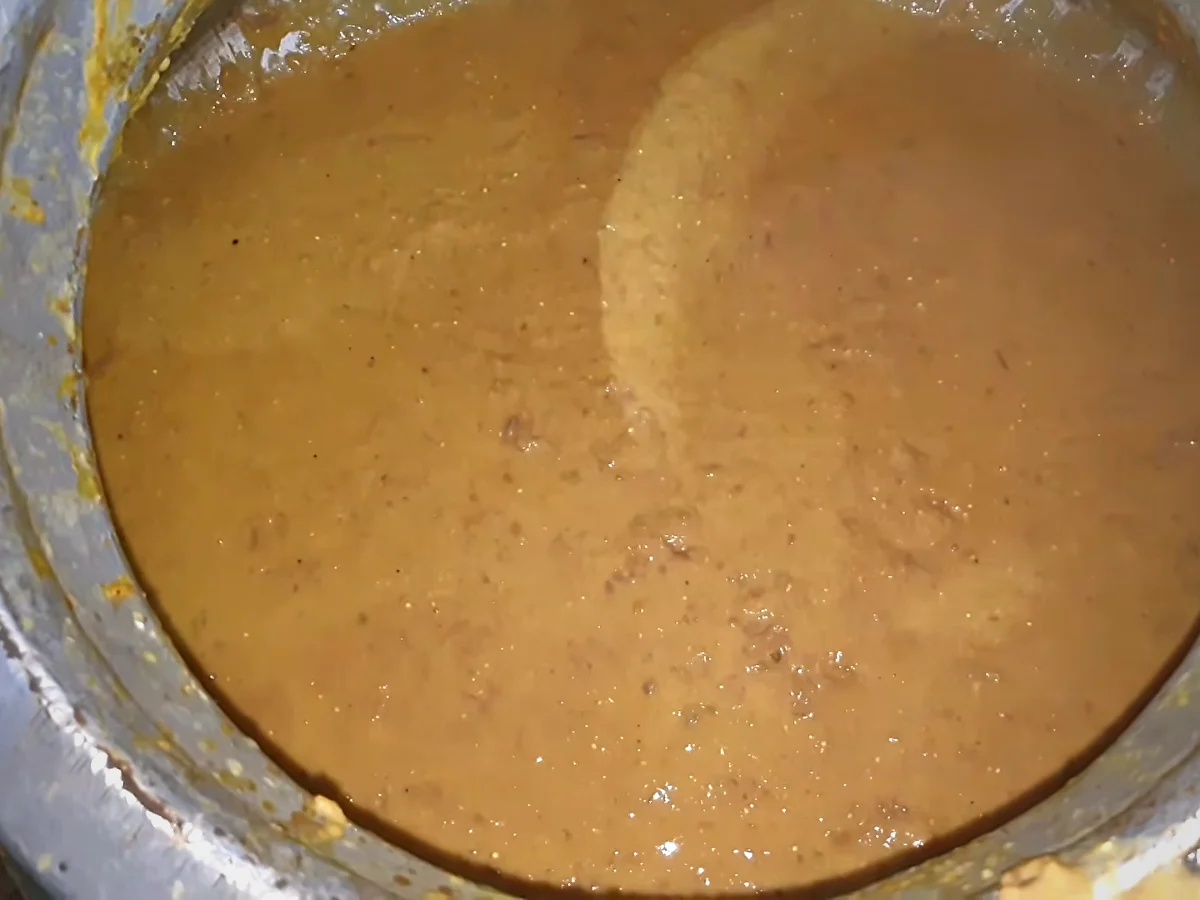
    Once your mixture of pre-soaked and cooked lentils and wheat is ready, it’s essential to let them cool down completely before blending. Blending hot liquids, especially thick ones like cooked dal, can be dangerous as the steam can build up pressure and cause the blender lid to blow off. More importantly, blending hot lentils can sometimes affect their texture, making them gummy. Allowing them to cool ensures a safer blending process and helps achieve a smoother, more consistent paste, which is vital for the Haleem’s final creamy texture. This simple step prevents kitchen mishaps and contributes to a superior end product.

  6. Shred Beef into Fine, Distinct Fibers

    The characteristic “rasha” or shredded texture of Haleem comes from properly preparing the beef. Once the beef is cooked to perfection and separated from its gravy, it needs to be shredded. The goal is to pull the meat apart into fine, long fibers, not chunky pieces. This can be done using two forks, a potato masher, or even by hand (once cool enough to handle). The size of your initial beef chunks plays a big role here; larger chunks yield better, longer shreds. These distinct fibers are what give Haleem its unique mouthfeel and ensure that every spoonful contains tender, meaty goodness.

  7. Embrace the “Ghutai” for Ultimate Creaminess

    The “ghutai” or vigorous mashing and mixing is perhaps the most crucial and labor-intensive step in making authentic Haleem. After combining the blended lentils, shredded beef, and a portion of the beef gravy, you must continuously and vigorously stir and mash the mixture. This process, ideally done with a wooden masher or a heavy spoon, emulsifies all the ingredients, breaking down any remaining small lumps and integrating the beef fibers into the creamy lentil base. Continuous ghutai for at least 30 minutes to an hour (or even more) is essential for achieving that signature smooth, thick, and homogenous consistency that defines perfectly made Haleem. It’s where the magic truly happens, transforming individual components into a cohesive, velvety stew.

Common MistakePro FixWhy It Matters
Not soaking grains/lentils long enough.Soak for a minimum of 5-6 hours, ideally overnight.Ensures grains soften fully, cook faster, and break down into a smooth, creamy texture. Prevents grittiness.
Using small beef pieces or low-quality cuts.Opt for large chunks (3-4 inches) of shin or shoulder beef.Large pieces retain moisture, shred into long fibers (rasha), and provide better texture. Quality beef ensures rich flavor.
Blending lentils while still hot.Allow cooked lentils to cool completely before blending.Prevents dangerous pressure buildup in the blender and helps achieve a smoother, non-gummy texture for the Haleem base.
Rushing the beef cooking process.Simmer beef on low flame for at least 3 hours until fall-apart tender.Breaks down connective tissues, making beef incredibly tender and easy to shred into fine, desirable fibers.
Skipping or shortening the “ghutai” (mashing/mixing) process.Vigorously mash and stir for at least 30-60 minutes after combining ingredients.Essential for emulsifying ingredients, breaking down lumps, and achieving the signature smooth, thick, and homogenous consistency of Haleem.

Notes

Storage:

Haleem is an excellent dish for meal prepping as its flavors deepen over time. Once completely cooled, transfer any leftover Haleem to airtight containers. It can be stored in the refrigerator for 3-4 days. For longer storage, Haleem freezes beautifully. Divide it into individual portions in freezer-safe containers or heavy-duty freezer bags and freeze for up to 2-3 months. When ready to eat, thaw overnight in the refrigerator and reheat gently on the stovetop, adding a splash of water or broth if needed to restore its consistency. A fresh tempering (baghaar) on top will bring it back to life.

Serving:

Haleem is traditionally served hot, garnished generously with a variety of fresh ingredients that add texture, color, and a burst of flavor. Common garnishes include finely chopped fresh ginger, green chilies, fresh coriander leaves, crispy fried onions (birista), and a squeeze of fresh lemon juice. A drizzle of hot oil or ghee, often infused with red chili powder, adds a final touch of richness and heat. It’s usually enjoyed on its own as a hearty meal, but can also be accompanied by warm naan bread or tandoori roti for scooping up every delicious spoonful.

Variations:

While this authentic Beef Haleem recipe is a classic, you can explore slight variations to suit your taste. For a richer flavor, some recipes might call for bone marrow to be cooked with the beef. You can adjust the spice levels by increasing or decreasing the green chilies and red chili powder. For a different meat profile, chicken or mutton Haleem are also popular alternatives, though the cooking times and shredding techniques would need to be adjusted accordingly. Some cooks also experiment with adding a touch of whole spices like star anise or bay leaves during the initial beef cooking for an extra layer of aroma. However, for a truly traditional taste, sticking to the core ingredients and techniques is recommended.

Authentic Beef Haleem Recipe - Cooking with Kawish

Authentic Beef Haleem Recipe

Haleem is a rich and hearty stew, slow-cooked to perfection, featuring tender shredded beef blended with a medley of finely mashed grains and lentils. This iconic Pakistani dish is known for its incredibly smooth, thick texture and complex spice profile, making it a beloved comfort food and a staple at special occasions.
Prep Time 30 minutes
Cook Time 4 hours
Total Time 4 hours 30 minutes
Servings: 6 Persons
Course: Main Course
Cuisine: Karachi / Pakistani, Restaurant Style
Calories: 650

Ingredients
  

For the Grains & Lentils
  • 1 cup wheat (cracked/dalia) soaked overnight or at least 6 hours
  • 1/2 cup barley (jau) soaked overnight or at least 6 hours
  • 1/4 cup chana dal (split chickpeas) soaked for 2-3 hours
  • 1/4 cup masoor dal (red lentils) soaked for 2-3 hours
  • 1/4 cup moong dal (yellow lentils) soaked for 2-3 hours
  • 1/4 cup urad dal (black gram, split & husked) soaked for 2-3 hours
For the Beef Curry (Korma)
  • 750 g beef (boneless) cut into 1-inch cubes
  • 2 medium onions sliced thinly
  • 3 tbsp ginger-garlic paste
  • 1/2 cup yogurt whisked
  • 1/2 cup oil or ghee
Spices for Beef Curry
  • 2 tsp red chili powder or to taste
  • 1 tsp turmeric powder
  • 2 tsp coriander powder
  • 1 tsp cumin powder
  • 1/2 tsp garam masala powder
  • 2 tsp salt or to taste
  • 2 inch cinnamon sticks
  • 4-5 whole green cardamom pods
  • 4-5 whole cloves
  • 1 large black cardamom pod
  • 2 whole bay leaves
For Tempering (Bhagar) & Garnish
  • 1/2 cup oil or ghee
  • 1 large onion sliced thinly for birista (fried onions)
  • 1 tsp red chili powder for bhagar
  • 1 piece fresh ginger 2-inch, julienned
  • 4-5 whole green chilies sliced
  • 1/2 cup fresh coriander chopped
  • 2-3 whole lemons cut into wedges
  • 1 tsp chaat masala

Method
 

Preparation of Grains & Lentils
  1. Wash and soak the wheat and barley overnight or for at least 6 hours. Wash and soak chana dal, masoor dal, moong dal, and urad dal for 2-3 hours.
  2. Drain the soaked grains and lentils. In a large pot, combine all soaked grains and lentils with about 8-10 cups of water, 1 tsp salt, and 1/2 tsp turmeric. Bring to a boil, then reduce heat and simmer until very soft and mushy (1.5-2 hours).
  3. Once cooked, mash the grains and lentils thoroughly with a wooden spoon or an immersion blender until smooth and creamy. Set aside.
Cooking the Beef Curry (Korma)
  1. In a separate large pot or pressure cooker, heat oil/ghee. Add the sliced onions and fry until golden brown. Remove half of the fried onions for garnish and set aside.
  2. To the remaining onions in the pot, add ginger-garlic paste and sauté for 1 minute until fragrant.
  3. Add the beef cubes and cook until they change color. Stir in red chili powder, turmeric powder, coriander powder, cumin powder, garam masala, salt, cinnamon sticks, green cardamom, cloves, black cardamom, and bay leaves. Sauté for 5-7 minutes.
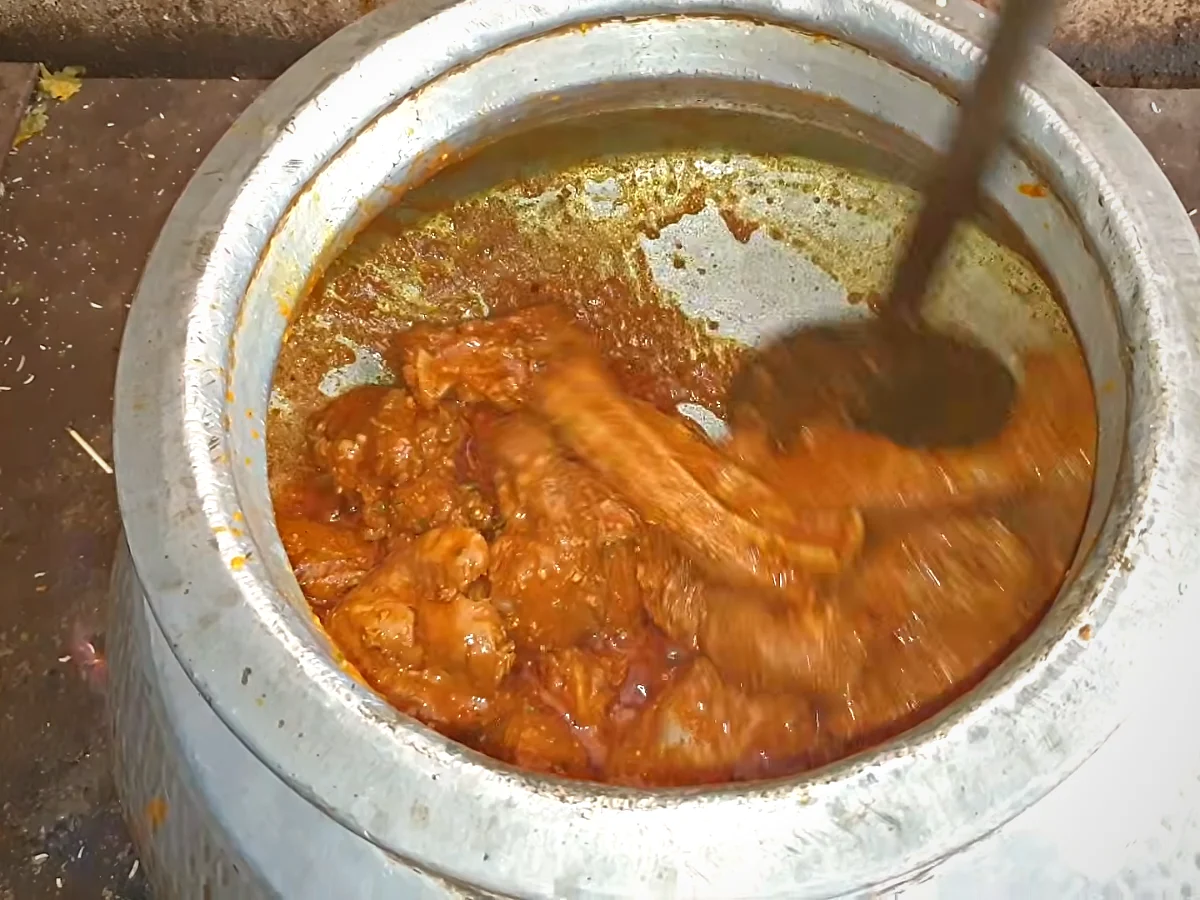
  4. Add the whisked yogurt and cook, stirring constantly, until the oil separates from the masala. Add 3-4 cups of water (more if cooking in a pot) and bring to a boil. Reduce heat, cover, and cook until the beef is extremely tender and easily shreddable (1-1.5 hours in a pot, 30-40 minutes in a pressure cooker).
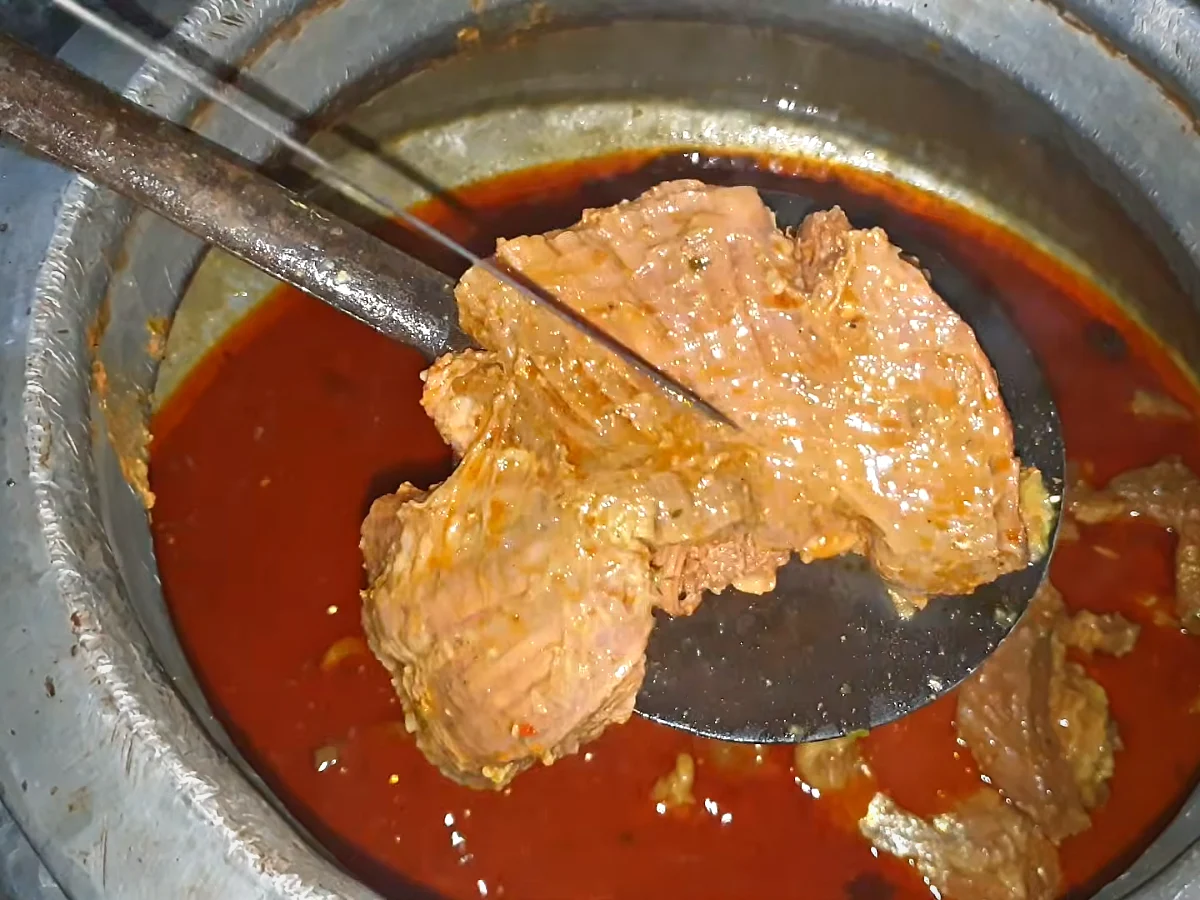
  5. Once the beef is tender, remove the beef pieces from the gravy and shred them using two forks. Discard any whole spices if preferred, or leave them for flavor. Return the shredded beef to the gravy.
Combining and Finishing the Haleem
  1. Pour the mashed grains and lentils into the pot with the shredded beef curry. Mix well. If the mixture is too thick, add a little hot water.
  2. Cook on low heat, stirring continuously with a wooden spoon or a ‘ghotna’ (traditional Haleem masher) for 45-60 minutes. This slow cooking and vigorous stirring is crucial for achieving the characteristic smooth, stringy, and thick texture of Haleem. Ensure it doesn’t stick to the bottom.
  3. Meanwhile, prepare the tempering (bhagar): In a small pan, heat 1/2 cup oil/ghee. Fry the remaining thinly sliced onion until golden brown and crispy. Add 1 tsp red chili powder and immediately pour this hot tempering over the Haleem. Stir gently.
Serving
  1. Garnish with julienned ginger, sliced green chilies, chopped fresh coriander, and the reserved fried onions (birista). Serve hot with lemon wedges and a sprinkle of chaat masala.

Video

Notes

Haleem can be stored in an airtight container in the refrigerator for up to 3 days. Reheat gently on the stovetop, adding a little water if it’s too thick. Serve hot with a generous tempering (bhagar) and all the fresh garnishes for the best experience. The key to authentic Haleem is patience and continuous stirring to achieve that perfect smooth, stringy texture.

Frequently Asked Questions (FAQs)

How long does it take to make authentic Beef Haleem?

Making an authentic Beef Haleem recipe is a labor of love and patience. The entire process, from soaking the lentils and grains to the final “ghutai,” can take anywhere from 6 to 8 hours. This includes 5-6 hours for soaking, 3 hours for slow-cooking the beef, 1 hour for cooking the lentils, and then significant time for blending, shredding, and the crucial 1-2 hours of continuous mashing (ghutai). While it’s a commitment, the rich, deeply flavorful results are absolutely worth every minute spent in the kitchen.

Can I make Haleem ahead of time?

Absolutely! Haleem is one of those dishes that often tastes even better the next day, as the flavors have more time to meld and deepen. You can prepare the entire dish a day or two in advance. Store it in an airtight container in the refrigerator. When ready to serve, gently reheat it on the stovetop over low heat, adding a little water or broth to achieve the desired consistency. A fresh tempering (baghaar) and garnishes right before serving will make it taste freshly made.

What are the key spices used in Beef Haleem?

The core spices for an authentic Beef Haleem recipe typically include red chili powder for heat, turmeric powder for color and earthy notes, garam masala for warmth and complexity, and coriander powder for a citrusy undertone. Salt is, of course, essential for seasoning. Additionally, fresh ginger-garlic paste forms a crucial aromatic base, and later additions often include nutmeg (jaifal) and mace (javitri) powder for a unique fragrant finish, along with fresh green chilies for a vibrant kick.

What should I serve with Haleem?

Haleem is a complete meal in itself, rich and satisfying. It’s traditionally served hot, garnished with a generous array of fresh toppings. These typically include finely chopped fresh ginger, green chilies, fresh coriander leaves, crispy fried onions (birista), and a wedge of lemon for a tangy burst. Many people also enjoy it with hot naan bread or tandoori roti, which are perfect for scooping up the thick, flavorful stew. A side of pickled onions or a simple raita (yogurt dip) can also complement the richness of the Haleem.

Can I use other meats for Haleem?

While this recipe focuses on an authentic Beef Haleem recipe, the dish is versatile enough to be made with other proteins. Mutton Haleem is very popular and follows a similar process, often requiring slightly longer cooking times for the meat. Chicken Haleem is also a common variation and cooks much faster, making it a good option if you’re short on time. Regardless of the meat choice, the core principles of soaking grains, slow-cooking the protein, and the vigorous “ghutai” remain essential for achieving the characteristic texture and flavor of Haleem.

Join the Cooking with Kawish Community

Become a part of our growing community of food enthusiasts! Share your culinary creations, get inspired, and connect with fellow home cooks. We love seeing your takes on our recipes!

Instagram: Follow @cooking_with_kawish — Tag us in your stories to get featured!

Facebook: Like Cooking with Kawish

YouTube: Subscribe to Cooking with Kawish

TikTok: Follow @cookingwithkawish

Happy Cooking!

Similar Posts

Leave a Reply

Your email address will not be published. Required fields are marked *

Recipe Rating