
Afghani Mutton Pulao Recipe (Shinwari Restaurant Style)
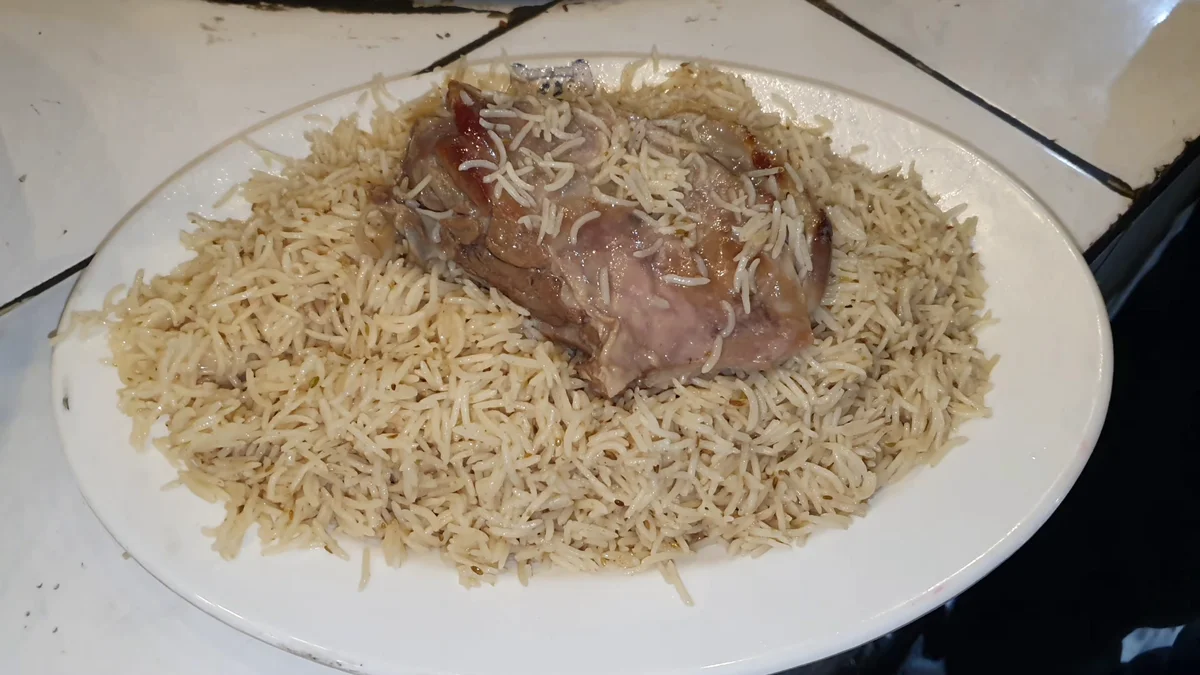
The Afghani Mutton Pulao at Khyber Shinwari Restaurant is built on two principles: restraint in spicing and patience in technique. Unlike a typical Pakistani pulao loaded with whole spices, this Shinwari version keeps the yakhni stock clean — only salt, onion, and cumin — so the natural richness of the mutton comes through in every grain. The golden color comes from caramelized sugar, not artificial coloring or browned onions, and the sweet-savory garnish of sautéed carrots and raisins is what gives this dish its unmistakable identity.
If you enjoy rice dishes from this region, our Karachi Chicken Pulao with 5 Degi Tips uses a similar yakhni method and is worth trying once you have mastered this recipe.
What Makes This Afghani Mutton Pulao Authentic
Most people confuse a regular meat pulao with a true Afghani Mutton Pulao. The difference is in three specific choices that Khyber Shinwari Restaurant follows at the commercial level:
- Clean yakhni: No cloves, cinnamon, or heavy spices in the stock. Only salt, whole onion, and cumin — so the flavor stays purely meaty and the stock stays clear.
- Caramelized sugar base: The golden hue of the rice comes from melted sugar cooked in oil, not from browned onions or artificial coloring.
- Separately sautéed garnish: The carrots and raisins are cooked apart so they keep their crunch and sweetness without releasing moisture into the rice.
Afghani Mutton Pulao Ingredients
| Ingredient | 2 kg muttonserves 10 | Notes |
|---|---|---|
| The Mutton & Yakhni: | ||
| Mutton | 2 kg | Large joints/Mix booti |
| Water | 2-3 Liters | For stock |
| Salt | to taste | to taste |
| medium Onion | 1 | Whole |
| Whole Cumin Seeds | 1 tbsp | Zeera |
| The Rice & Aromatics: | ||
| Basmati Rice | 1.5 kg | Long grain, soaked for 1 hour |
| Cooking Oil or Mutton Fat | 1 cup | Charbi |
| Sugar | 2 tbsp | For caramelization |
| Cardamom Powder | 1 tbsp | Elaichi powder |
| Garam Masala Powder | 1 tbsp | Optional |
| The Classic Garnish: | ||
| large Carrots | 3-4 | Julienne cut |
| Black Raisins | 1 cup | Kishmish |
| Oil | 2 tbsp | For sautéing garnish |
| Sugar | 1 tbsp | For carrots |
Amounts are from the video and recipe card. Items marked * are our estimate.
How to Make the Mutton Stock (Yakhni)
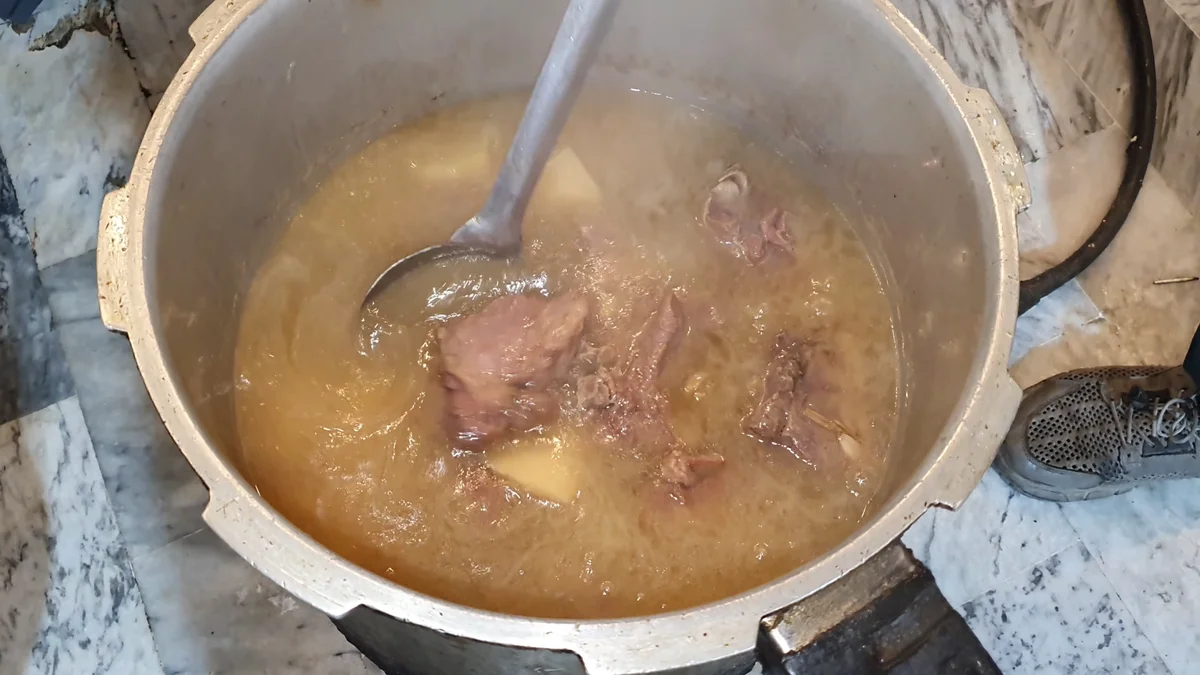
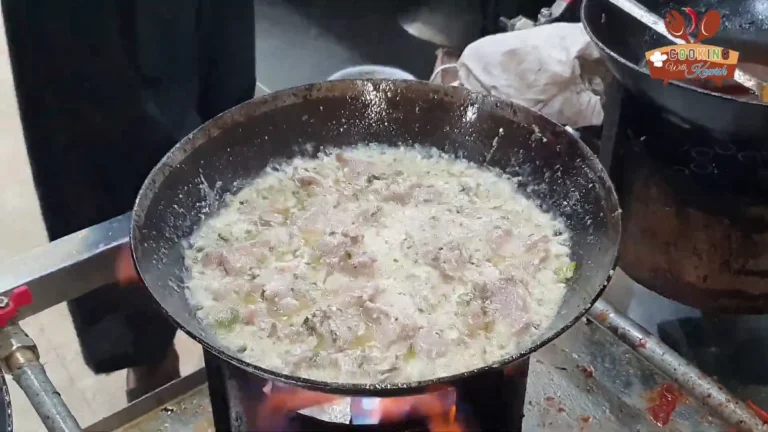
The yakhni is the foundation of this dish and cannot be rushed. Add the mutton, water, whole onion, salt, and cumin seeds to a large pot and bring to a boil. Reduce to a low-to-medium flame and simmer until the mutton is 90% tender — the meat should still hold its shape and not fall off the bone yet. Strain the stock through a fine sieve and keep it clear. Discard the onion.
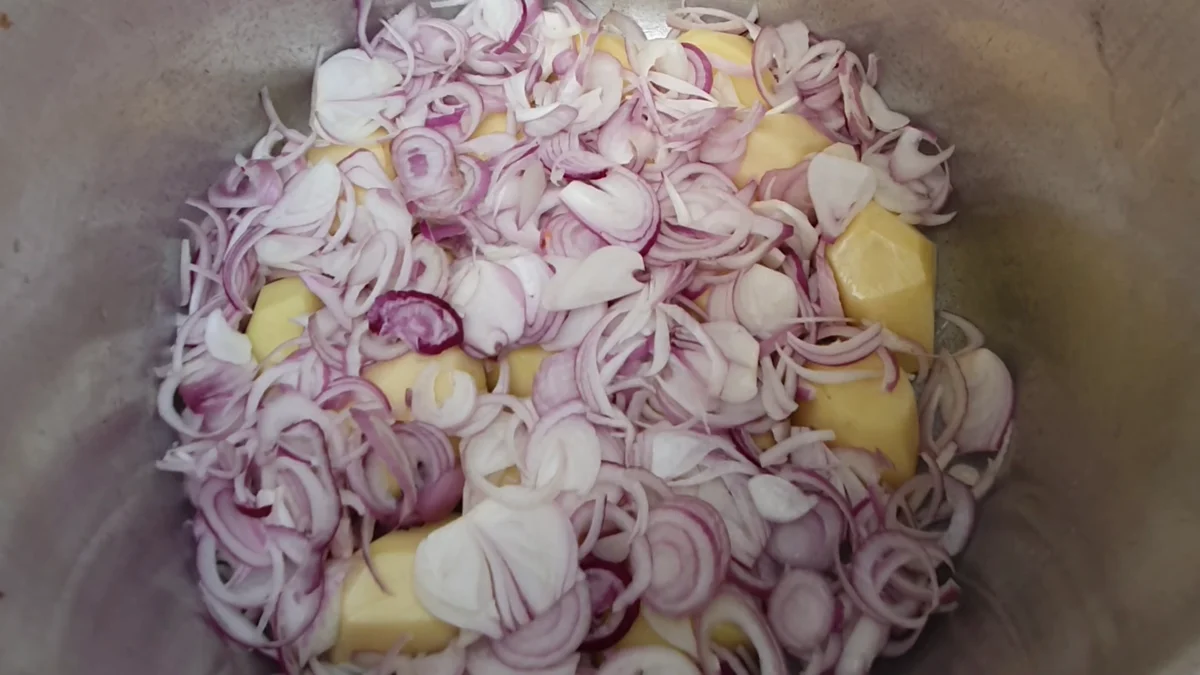
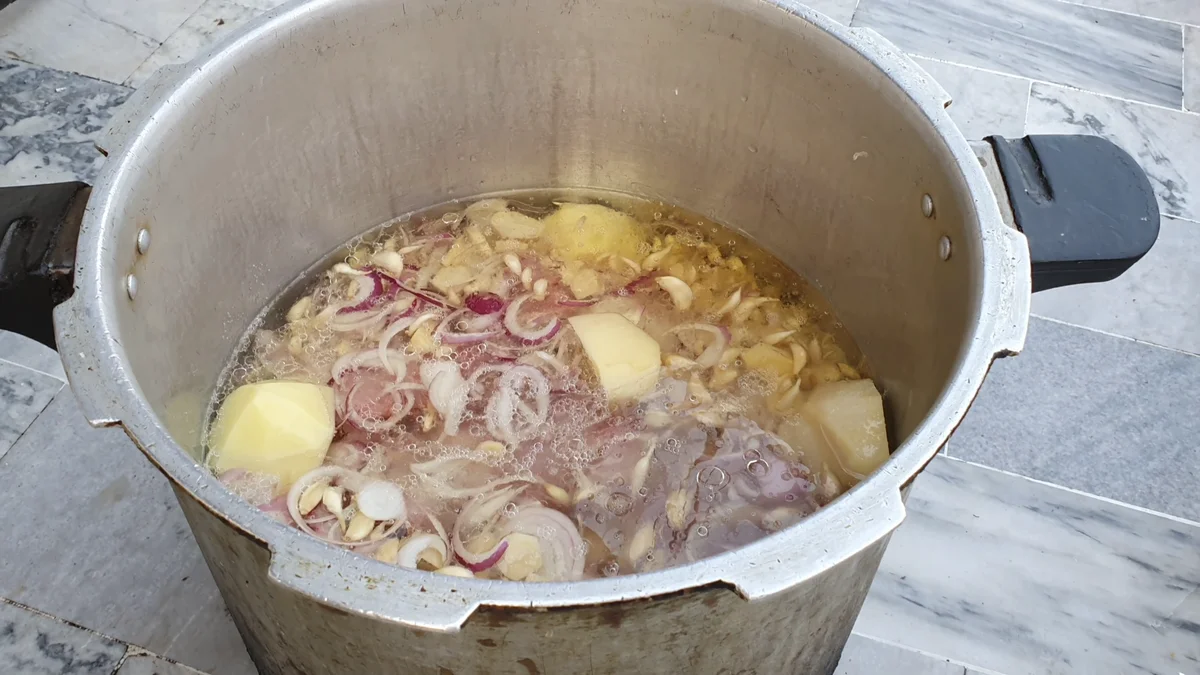
The quality of this stock is what separates a restaurant-level pulao from an ordinary one. Do not rush the boiling process. For the most authentic flavor, use large bone-in joints or mix booti; the bone marrow enriches the stock in a way that boneless meat simply cannot.
Caramelizing the Base
Heat the oil or rendered mutton fat (charbi) in a large deg over medium heat. Add the sugar and watch it carefully on low flame. Stir gently as it melts and turns a deep amber-golden color. This is the step that gives the pulao its signature hue.
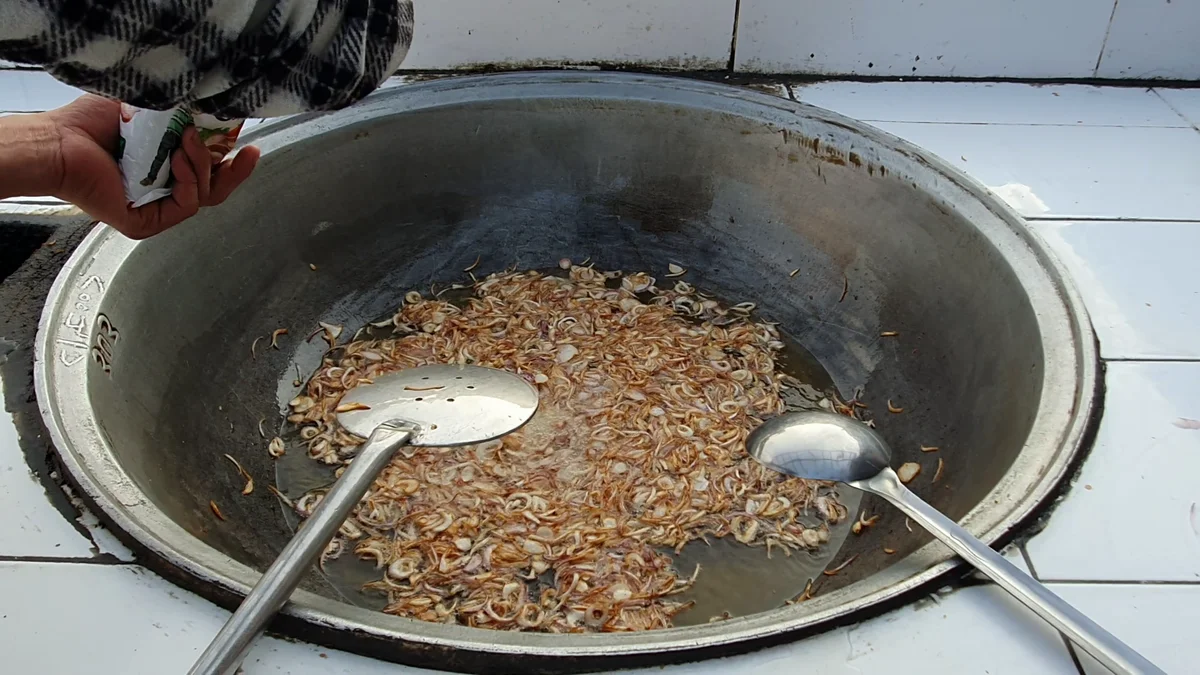
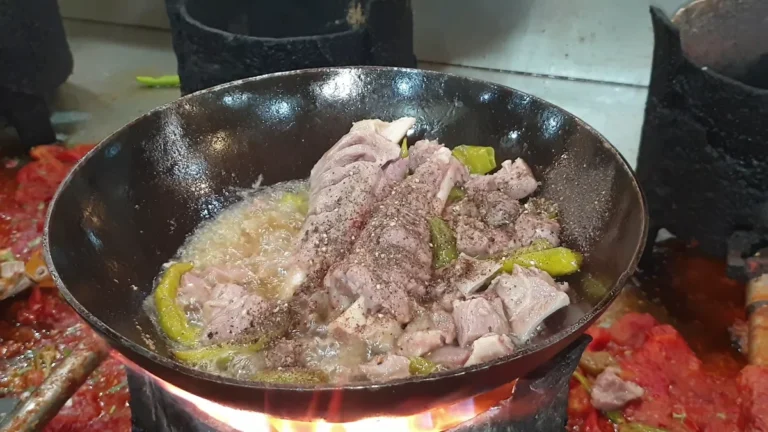
Once the caramel is ready, add the partially cooked mutton pieces immediately and sauté for 3–4 minutes. The meat picks up the golden glaze and the juices seal inside. Be careful at this stage: if the sugar goes black, the pulao will taste bitter and there is no way to correct it.
Cooking the Rice
Pour the strained mutton stock into the deg. Bring it to a boil, then add the soaked basmati rice. The water level should be about 1 inch above the surface of the rice. Cook uncovered on high heat until most of the water has evaporated and you can see the surface of the rice starting to dry.
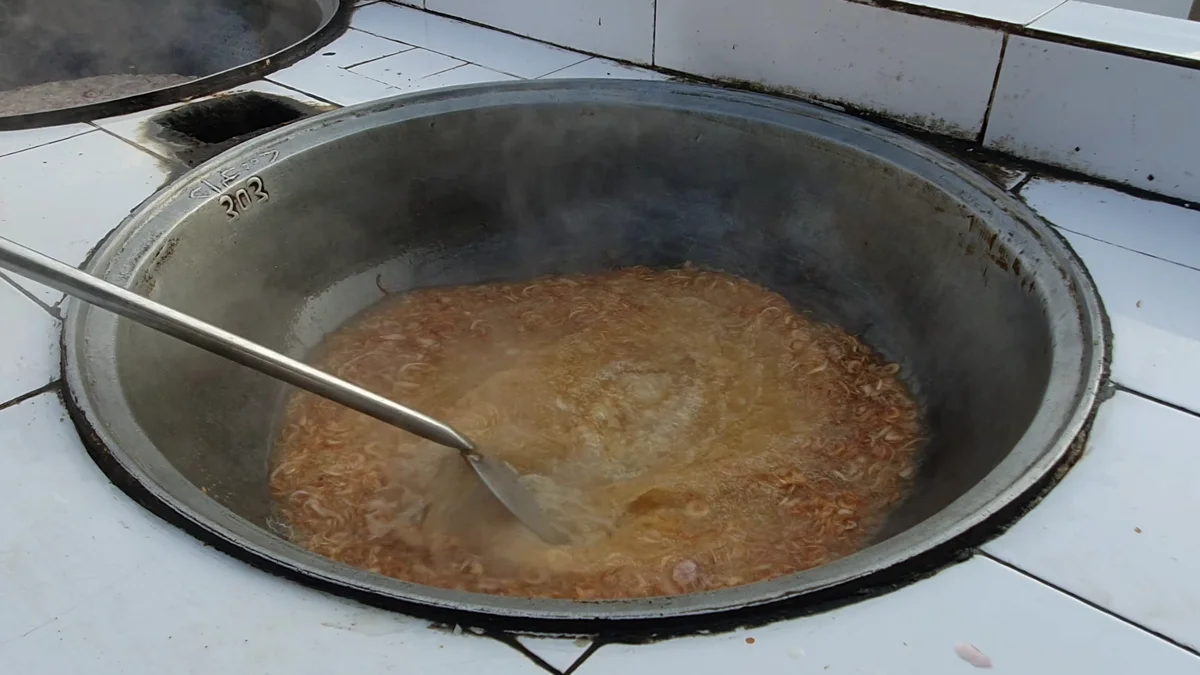
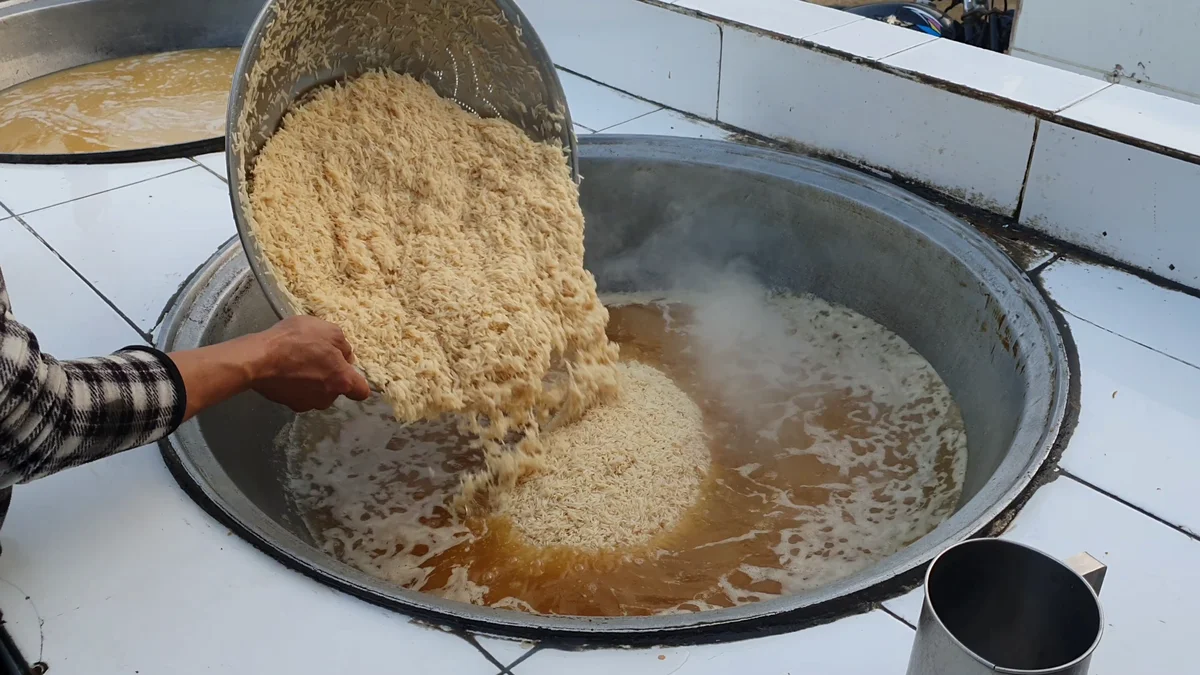
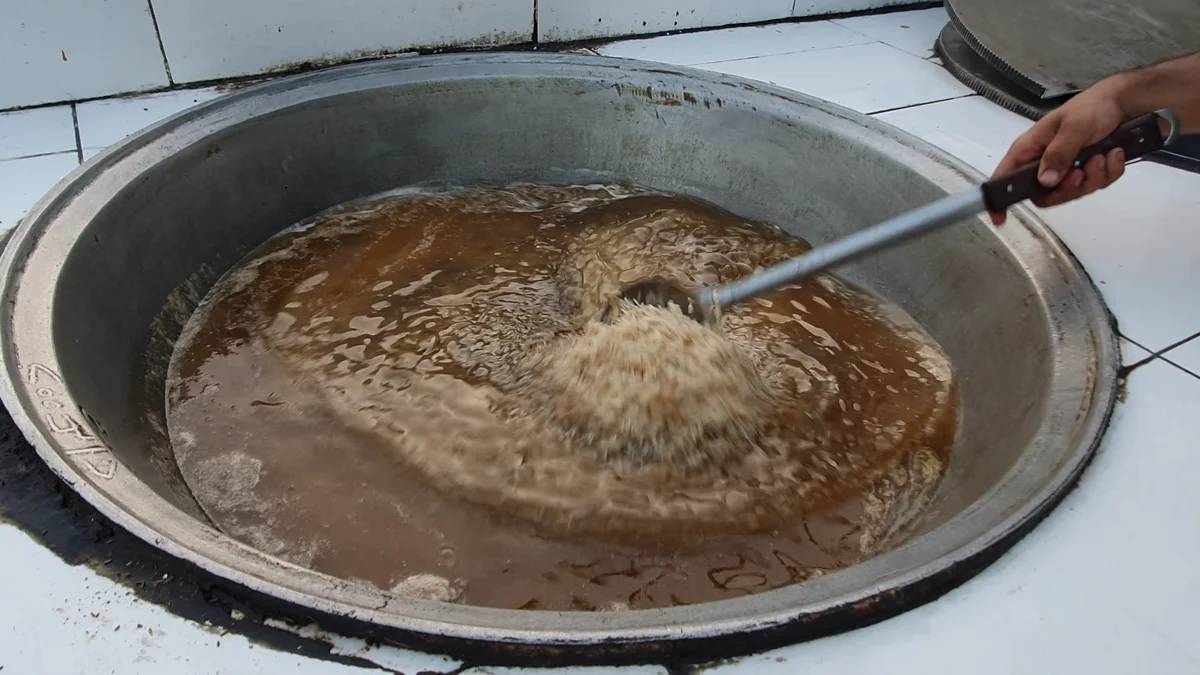
Always use high-quality old Sela or long-grain basmati rice, soaked for at least 1 hour before cooking. This ensures the grains stay long, separate, and fully absorb the mutton aroma during the dum. For another Karachi-style rice dish using yakhni, see the Al Tawakkal Beef Pulao recipe — a different style but the same foundation of a well-made stock.
The Dum and Garnish
While the rice cooks, prepare the garnish separately. Sauté the julienne carrots with a tablespoon of sugar in a little oil for 2–3 minutes — just enough to glaze them and keep the color vibrant. Add the raisins and fry until they plump up. Set aside.
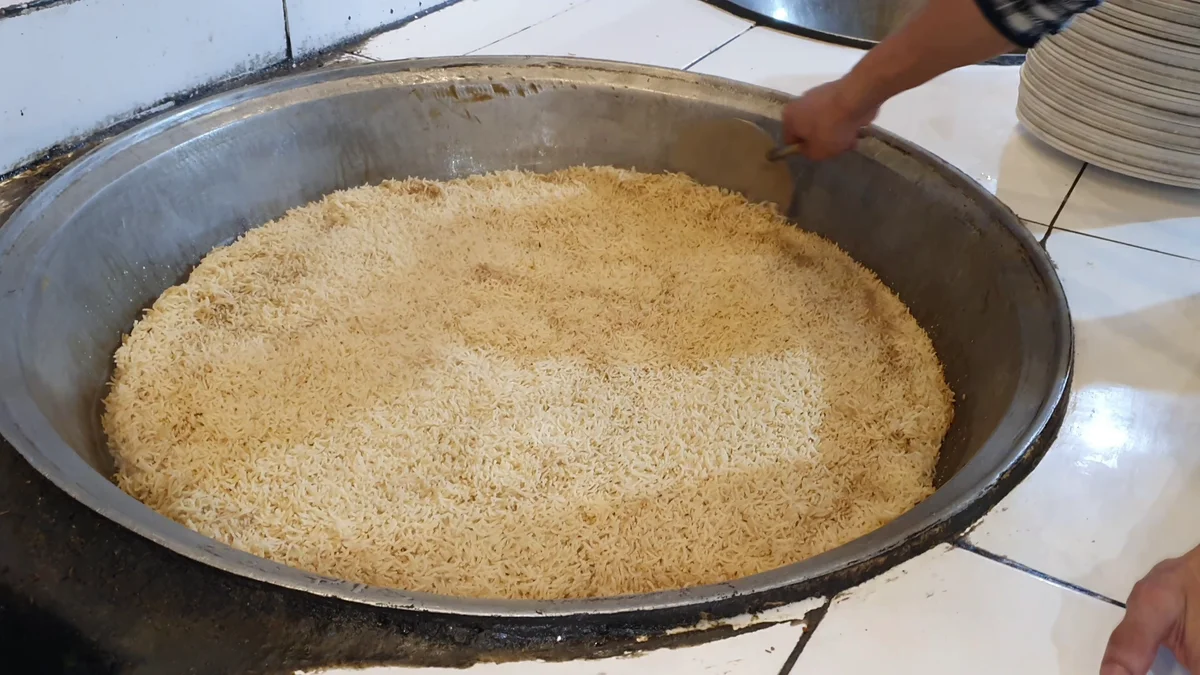
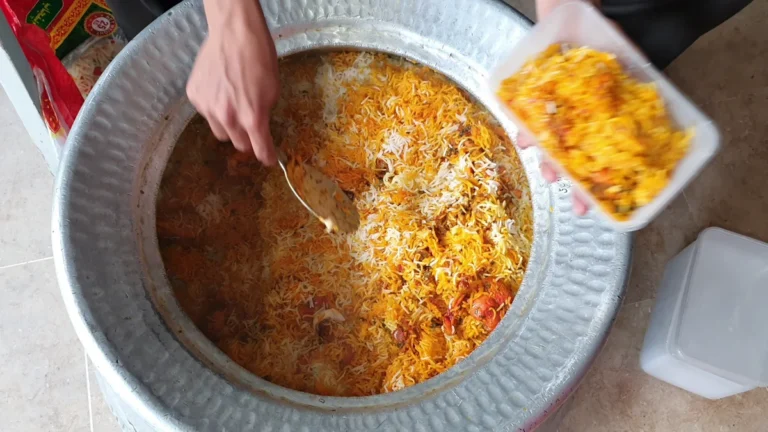
Sprinkle cardamom powder over the rice, place the carrot and raisin garnish on one side, then seal the pot tightly with a thick cloth or foil. Steam on the lowest possible flame for 20–25 minutes. The tight seal ensures every grain absorbs the mutton aroma fully.

Serving the Pulao
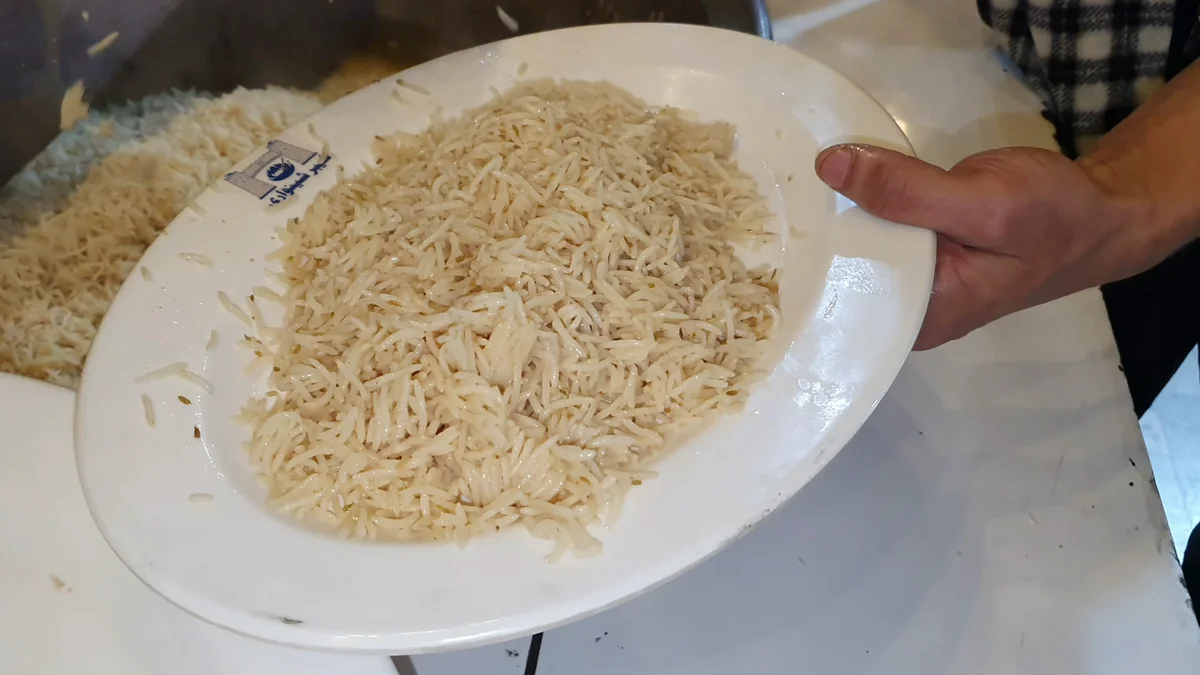
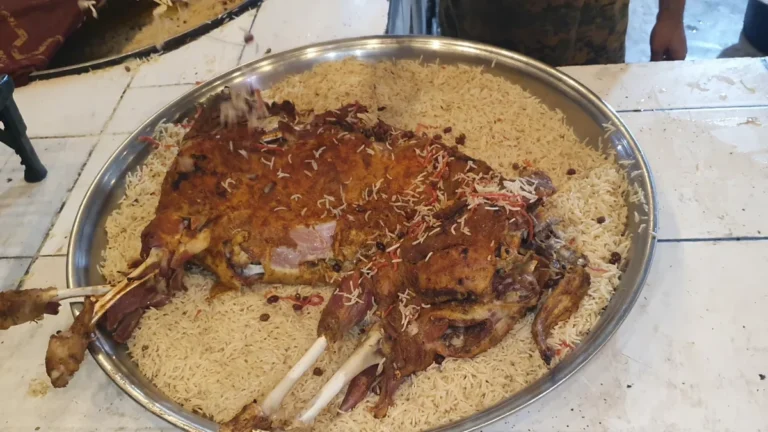
Once the dum is complete, gently fluff the rice with a large flat spoon. Serve on a large platter with the mutton pieces placed underneath the rice and the sautéed carrots and raisins arranged on top. This dish is traditionally served at a suhbat — a gathering — where the aroma and presentation do the talking.
Key Tips for Getting It Right
- Stock quality first: The taste of Afghani Pulao is entirely in the yakhni. Do not rush it.
- Watch the caramel: Deep golden is correct. Black means start over.
- Mutton fat over oil: Rendered charbi gives the most authentic flavor. Use it if you have access.
- Soak the rice: At least 1 hour. This is non-negotiable for long, separate grains.
- Seal the dum tightly: A cloth under the lid is better than foil alone for absorbing steam.

Original Khyber Shinwari Afghani Mutton Pulao (Commercial Restaurant Recipe)
Ingredients
Method
- In a large pot, add the mutton, water, whole onion, salt, and cumin seeds. Boil on low-to-medium heat until the mutton is 90% tender. Strain the stock and keep the mutton pieces aside. The stock should be rich and flavorful.
- In a separate large cooking pot (Deg), heat the oil or rendered mutton fat. Add 2 tablespoons of sugar and cook on low heat until it melts and turns a deep golden brown. Be careful not to burn it.
- Add the partially cooked mutton pieces to the caramelized sugar and oil. Sauté for 3-4 minutes to give the meat a beautiful brown glaze and lock in the juices.
- Pour the strained mutton stock into the pot. Once it starts boiling, add the soaked basmati rice. Ensure the water level is about 1 inch above the rice. Cook on high heat until most of the water evaporates.
- While the rice is cooking, heat a little oil in a pan. Sauté the julienne carrots with a tablespoon of sugar until slightly soft. Add the raisins and fry until they plump up. Keep this aside.
- Sprinkle cardamom powder over the rice. Place the sautéed carrots and raisins on one side of the rice. Cover the pot tightly with a cloth or foil (Dum). Steam on the lowest possible flame for 20-25 minutes.
- Once the dum is complete, gently fluff the rice. Serve on a large platter with the mutton pieces hidden under the rice and the colorful carrots and raisins garnished on top.
Video
Notes
❓ Frequently Asked Questions (FAQs)
Q1: Why is my pulao rice sticky?
This happens if you use too much water or don’t soak the rice enough. Always ensure the water level is exactly 1 inch above the rice when you start the high-heat cook.
Q2: Can I use Beef instead of Mutton?
Yes, you can. However, beef takes longer to cook, so increase the braising time for the yakhni to ensure the meat is 90% tender before adding rice.
Q3: How do I get the perfect orange color for carrots?
Sauté the julienne carrots with a little sugar and oil for only 2-3 minutes. This glazes them and keeps the color vibrant.
Follow Kawish for more Afghani and Shinwari recipes
If you enjoyed this authentic restaurant-style recipe, become a part of our global social family and get daily access to “Secret Restaurant Hacks” and professional cooking tips:
🎵 TikTok: Follow @cookingwithkawish
— Viral 1-minute food secrets and quick hacks!
👤 Facebook: Join Cooking with Kawish
— Share your food photos and connect with other foodies.
📺 YouTube: Subscribe to Cooking with Kawish
— For detailed step-by-step professional video tutorials.
📸 Instagram: @cooking_with_kawish
— Get exclusive behind-the-scenes updates and daily inspiration.
Happy Cooking! ❤️
3 Comments