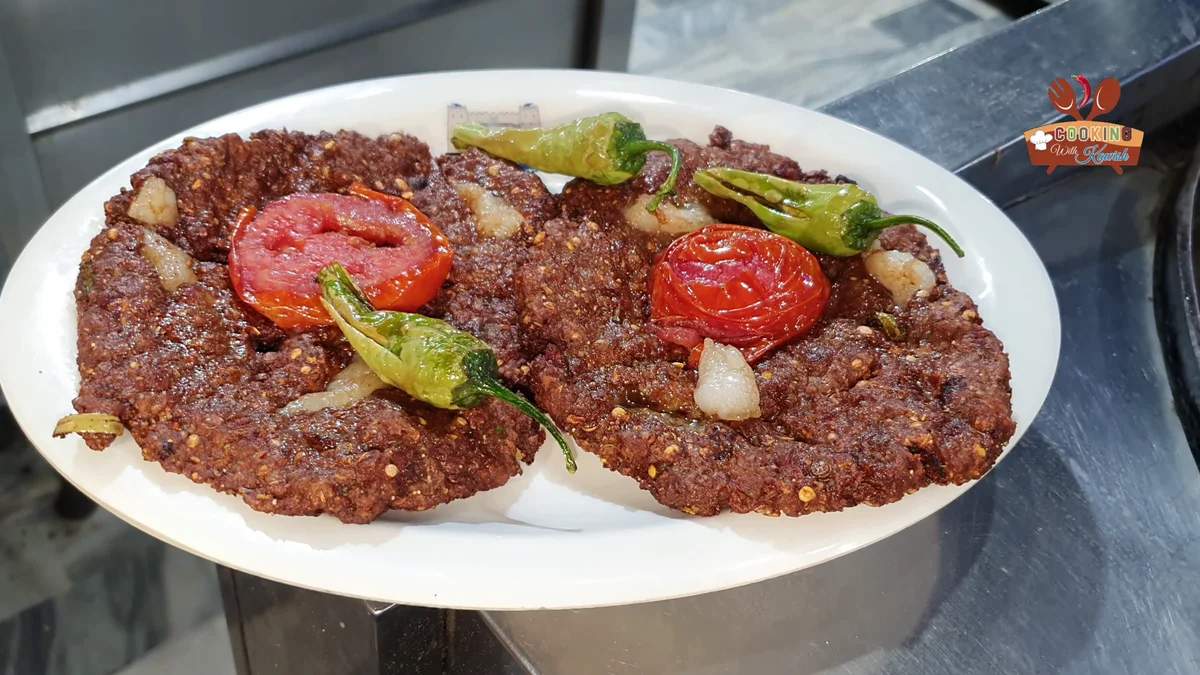
Original Mutton Chapli Kabab Recipe - Cooking with Kawish

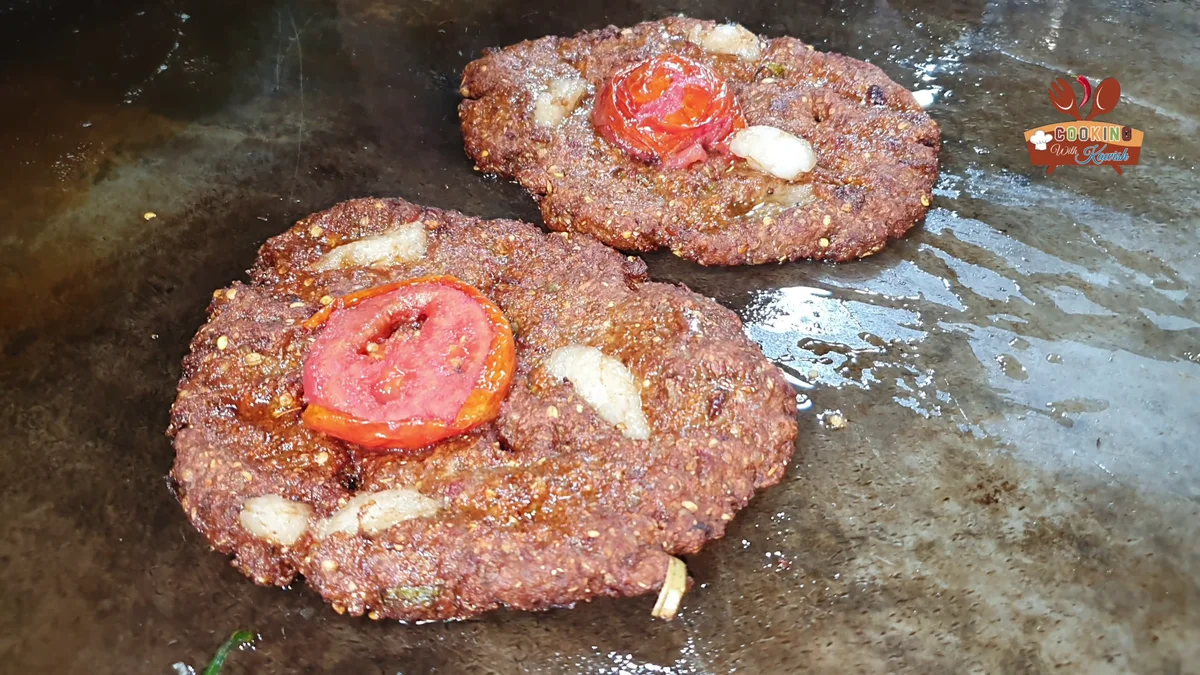
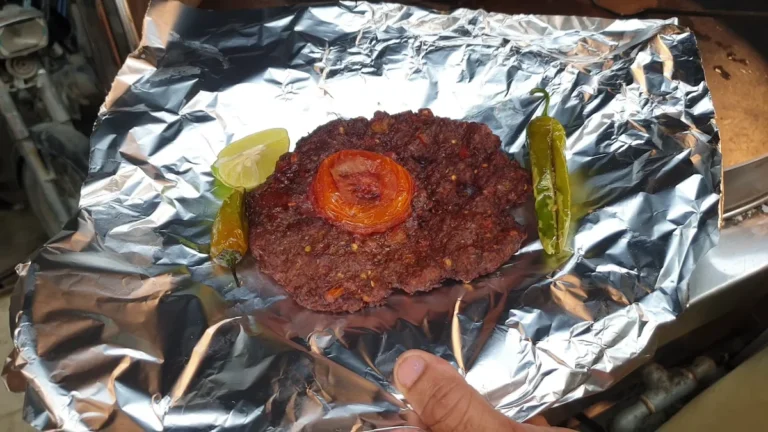
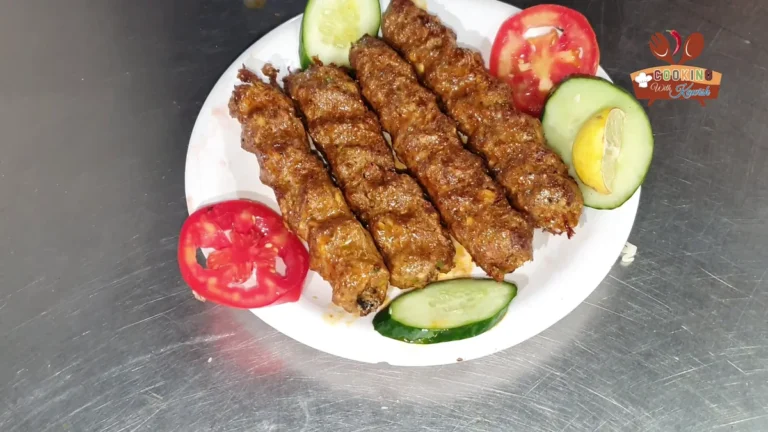
Some kababs are made for a party, others for a quiet family dinner. This half kg mutton chapli kabab recipe is the second kind — a small, honest batch that makes 5–6 kababs, perfect for 2–3 people who want something warm, freshly fried, and served straight from the tawa.

The style is inspired by Chapli Kabab House in Karachi — a small chain with multiple branches that’s built its reputation on mutton chapli kababs made with egg mixed right into the mince (not just brushed on top). This is different from the beef version we did with Khan Jee and gives the kababs a softer, more delicate texture that suits mutton perfectly.

If you want the full commercial 2 kg batch, see our Khyber Shinwari pillar recipe. For a bigger home batch (1 kg with ajwain), try our A-One Karachi 1 Kg version. And for the beef restaurant-style, our Khan Jee Beef Chapli Kabab is the one to follow. This post is specifically for mutton lovers who want a small, controlled batch — half kg only.

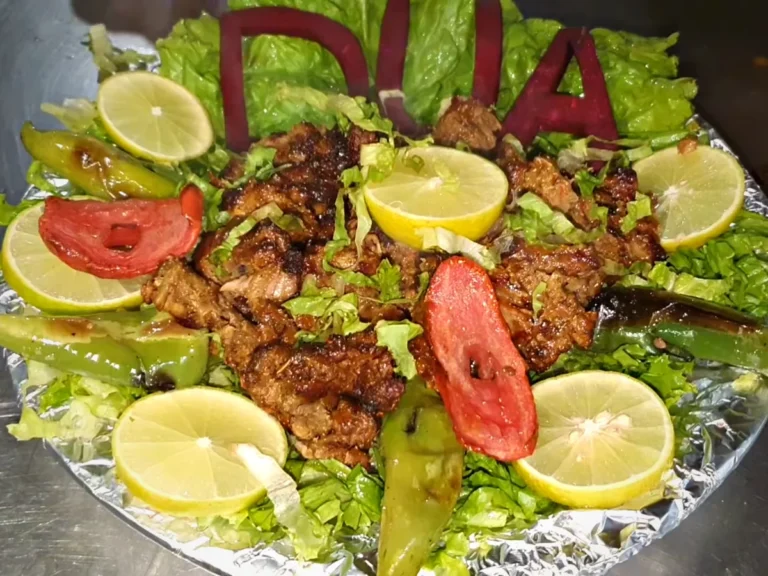
📍 Where to Try Mutton Chapli Kabab in Karachi

Restaurant: Chapli Kabab House (multiple branches across Karachi)

Speciality: Mutton Chapli Kababs — classic and stuffed variations (cheese, egg)

Style: Small batch, freshly fried, restaurant-scale rather than commercial deg

Location: Find branches on Google Maps

Prefer to make them at home? The half kg recipe below is the perfect starter batch for mutton lovers.

Watch the complete recipe above before you start cooking.

About Kawish — Karachi-based food creator and host of Cooking with Kawish on YouTube. Specialising in authentic commercial degi cooking, restaurant-style recipes, and street food from across Pakistan. Every recipe on this site comes directly from real kitchens, real chefs, and real experience — filmed, tested, and shared with you.

What Makes This Half Kg Mutton Chapli Kabab Different

Smallest usable batch — 500g mutton: This is the smallest quantity that still works properly. Anything less and the mixture won’t have enough mass to knead evenly. Half a kilo makes 5–6 kababs — enough for 2–3 people without leftovers sitting in the fridge.

Egg mixed into the mince (not on top): Unlike the Khan Jee beef version where egg is a glaze, here the egg goes into the mixture itself. This is what gives mutton chapli that soft, almost custardy texture that pairs so well with the coarse anardana crunch.

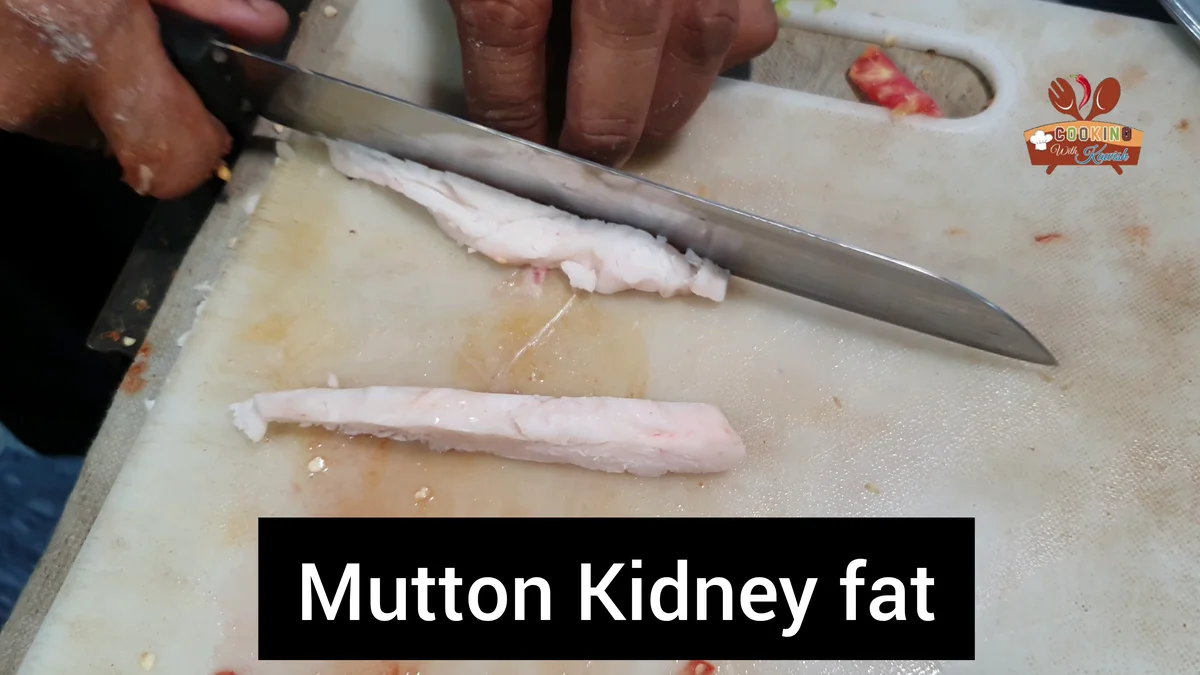
20-25% fat mutton is non-negotiable: Mutton is naturally drier than beef, so you need more fat to keep it juicy. Ask your butcher for mutton mince with visible fat marbling — leaner cuts will give you dry, tough kababs no matter what technique you use.

Traditional Peshawari spice profile: Coriander, cumin, and anardana only — no garam masala, no ginger-garlic paste. This keeps the flavour pure and rustic, closer to how mutton chapli was originally made in Peshawar before restaurant fusion took over.

Chilled 30-minute rest is essential: Mutton fat needs to firm up before frying. Without the fridge rest, kababs will fall apart because warm mutton fat is too soft to hold shape. This one step separates good mutton chapli from great mutton chapli.

The Complete Half Kg Mutton Chapli Kabab Recipe

Note: This is a 500g mutton-only version — makes 5–6 kababs, serves 2–3. This is the smallest batch we recommend; below this quantity the mixture doesn’t knead properly. To scale up: for 1 kg mutton, double everything (makes 10–12 kababs, serves 4–6). For a bigger gathering, see our 2 kg Khyber Shinwari pillar recipe.

Tips Before You Start

Choose mutton from the shoulder or leg with visible fat: Tell your butcher “chapli kabab ke liye mutton mince, motta cut, 20-25% charbi ke saath”. Extra-lean mutton will not work for chapli kababs — it dries out during frying.

Hand-mince if you can (or ask butcher for coarse cut): The signature texture of chapli kabab comes from a coarse, uneven mince. Home food processors give a paste-like consistency that becomes dense and rubbery when fried.

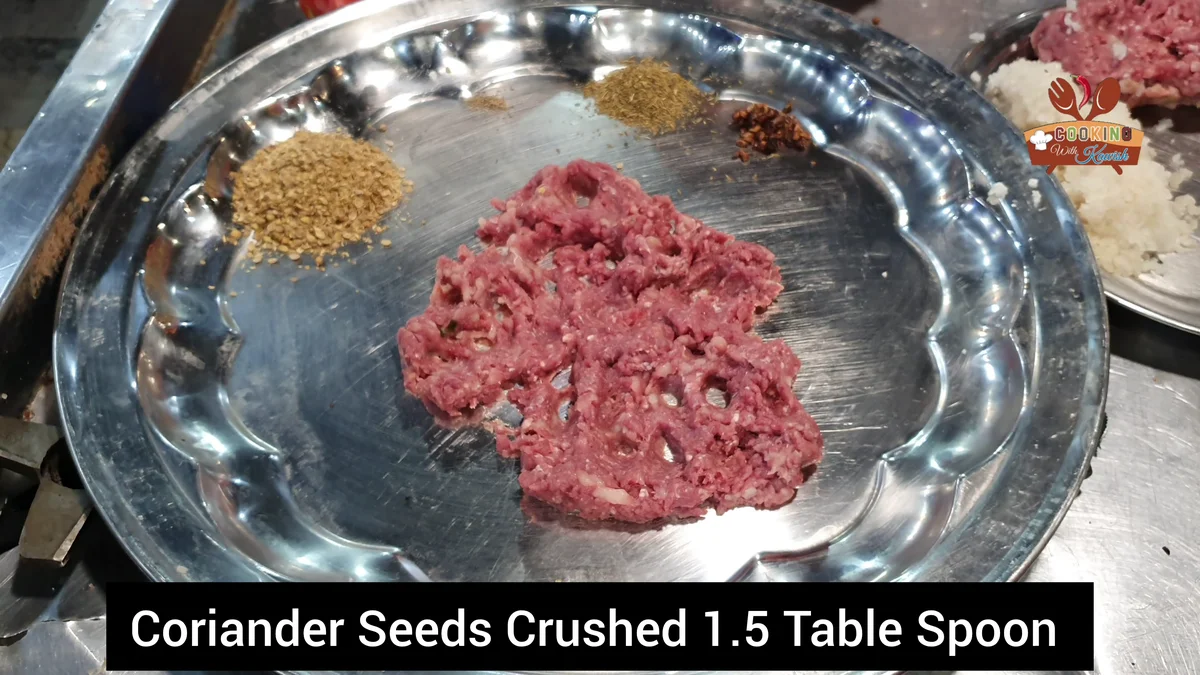
Crush anardana just before mixing: Anardana loses its punch quickly once crushed. Crush the seeds coarsely (not a fine powder) in a mortar right before you add them to the mince.

Deseed the tomato before chopping: Tomato seeds carry extra water that can make the mixture too wet. Cut the tomato in half, scoop out the seeds with a spoon, then finely chop the flesh only.

Wet your hands to shape the patties: Mutton mince sticks to dry hands. A quick rinse in water before shaping each patty gives you smooth edges and prevents the mixture from tearing.

Storage and Serving

Uncooked mixture keeps 24 hours in the fridge (covered tightly). Shaped uncooked patties freeze well for 1–2 months on a parchment-lined tray — once solid, transfer to a freezer bag. Fry directly from frozen, adding a minute per side.

Cooked kababs are best eaten hot from the pan. For reheating, warm gently on a tawa with a drop of oil — never the microwave. Serve with warm naan or roti, mint raita, sliced onions, and a wedge of lemon. For a fuller mutton-themed dinner, pair with our Shinwari Mutton Karahi or Mutton Rosh.

Original Mutton Chapli Kabab Recipe - Cooking with Kawish

Mutton Chapli Kabab (Half Kg Peshawari Style)

Half kg (500g) mutton-only chapli kabab recipe — traditional Peshawari style with egg mixed in, coarsely crushed anardana, and 20-25% fat mutton. Makes 5-6 kababs, serves 2-3 people. Perfect small home batch.
Prep Time 30 minutes
Cook Time 25 minutes
Total Time 55 minutes
Servings: 3 Persons
Course: Main Course
Cuisine: Pakistani, Peshawari
Calories: 550

Ingredients
  

  • 500 g mutton mince 20-25% fat, coarsely cut
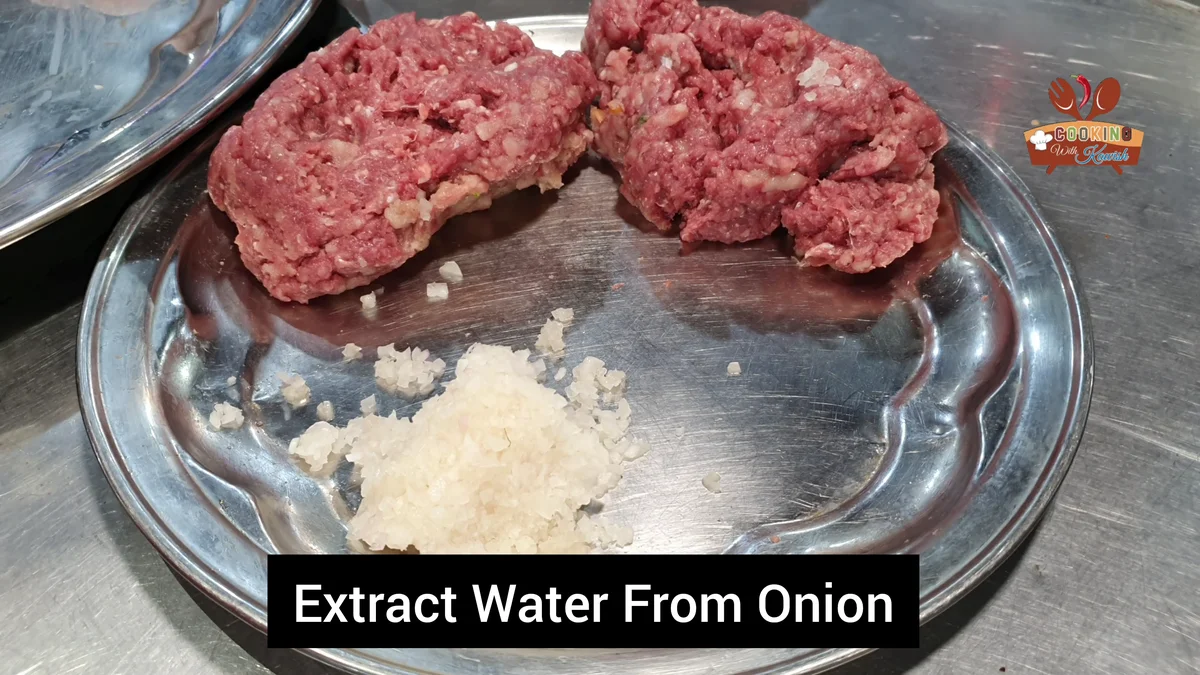
  • 1 large onion 150g, finely chopped and squeezed dry
  • 1 medium tomato deseeded and finely chopped
  • 2-3 green chilies finely chopped
  • 1 egg mixed INTO the mixture, not on top
  • 1.5 tbsp ginger-garlic paste fresh
  • 2 tbsp corn flour or gram flour besan
  • 1.5 tbsp coriander seeds coarsely crushed
  • 1 tsp cumin seeds coarsely crushed
  • 1 tbsp anardana dried pomegranate seeds, coarsely crushed
  • 1 tsp red chili flakes
  • 1 tsp salt
  • 0.5 tsp black pepper
  • 0.5 tsp garam masala optional — Peshawari purists skip this
  • 0.5 tsp kasuri methi optional
  • Oil for shallow frying
  • Fresh coriander and lemon wedges for serving

Method
 

Step 1: Prepare Ingredients
  1. Squeeze water from chopped onion using a cloth. Deseed and finely chop
  2. the tomato. Coarsely crush anardana, coriander seeds, and cumin seeds
  3. in a mortar.
Step 2: Mix Gently
  1. In a large bowl, combine mutton mince, squeezed onion, chopped tomato,
  2. green chilies, ginger-garlic paste, beaten egg, corn flour, all crushed
  3. spices, salt, black pepper. Mix gently by hand for 5-7 minutes only —
  4. do NOT over-knead mutton.
Step 3: Chill for 30 Minutes
  1. Cover the bowl tightly and refrigerate for at least 30 minutes. This
  2. firms up the mutton fat and lets flavours meld. Do not skip this step.
Step 4: Shape with Wet Hands
  1. Wet your hands, divide the mixture into 5-6 portions, and flatten each
  2. into a thin round patty about 1 cm thick and larger than your palm.
Step 5: Fry on Medium Heat
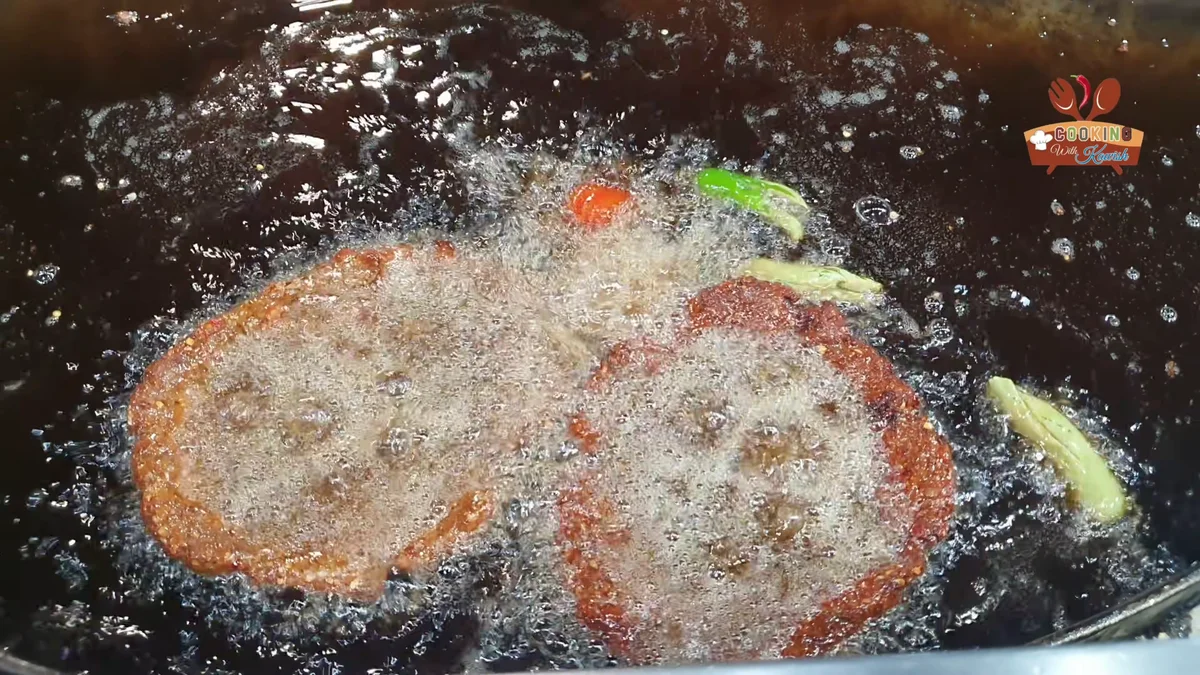
  1. Heat 1-2 inches of oil in a wide tawa or karahi on medium heat. Fry
  2. patties 4-5 minutes per side until deep golden brown. Drain on paper
  3. towels. Serve immediately with naan, sliced onions, and lemon wedges.

Video

Notes

Use hand-minced mutton with 20-25% fat for juiciest kababs. Do NOT over-knead — mutton proteins toughen quickly, so 5-7 minutes gentle mixing is enough. The 30-minute chill is essential for structure. Leftover raw shaped patties freeze well for 1-2 months.

Frequently Asked Questions

Why 500g specifically? Can I make even less?

500g is the smallest quantity that still works properly. Below that, the mixture doesn’t have enough mass to knead evenly and the ratio of onion-to-meat gets thrown off. If you want just 2–3 kababs to try the recipe, still make the full 500g batch — extra shaped patties freeze well for up to 2 months, so nothing is wasted.

Can I use beef instead of mutton in this recipe?

Yes, but for a proper beef version, our Khan Jee Beef Chapli Kabab is a better recipe — it’s designed for beef specifically with ginger-garlic paste and garam masala. This half kg mutton recipe is tuned for mutton’s higher fat content and softer texture; using beef here will make the kababs flat and dry.

Why does the egg go into the mixture, not on top?

Mutton mince binds differently from beef. The egg mixed into the meat acts as a binder and gives the kababs a soft, tender texture — almost like a shami kabab feel. If you brush the egg on top instead (like the Khan Jee beef version), mutton kababs tend to crack because the meat doesn’t hold together as tightly as beef.

My kababs turned out tough — what went wrong?

Almost always one of two things: your mutton was too lean (needs at least 20% fat), or you overworked the mixture. Mutton proteins toughen quickly when kneaded too much. Mix gently for 5–7 minutes only, chill for 30 minutes, then shape. Do not knead like you would for beef.

What’s the difference between mutton chapli and beef chapli kabab?

Three real differences: mutton is softer and richer, needs less kneading, and works better with the egg-in-mixture technique. Beef is meatier and denser, benefits from longer kneading, and pairs better with an egg glaze on top. Spice-wise both use the same base (coriander, cumin, anardana) but mutton versions often skip garam masala to let the meat flavour shine.

Can I add fenugreek (methi) or other herbs?

A small pinch of dried fenugreek leaves (kasuri methi) — about half a teaspoon — adds a lovely herbal note to mutton chapli. Add it with the crushed spices. Don’t overdo it though; more than that will overpower the anardana. Fresh coriander leaves in the mixture are always welcome.

Join the Cooking with Kawish Community

Instagram: @cooking_with_kawish — Tag us to get featured!

Facebook: Cooking with Kawish

YouTube: Subscribe for new recipes

TikTok: @cookingwithkawish

Happy Cooking!

Similar Posts

Leave a Reply

Your email address will not be published. Required fields are marked *

Recipe Rating