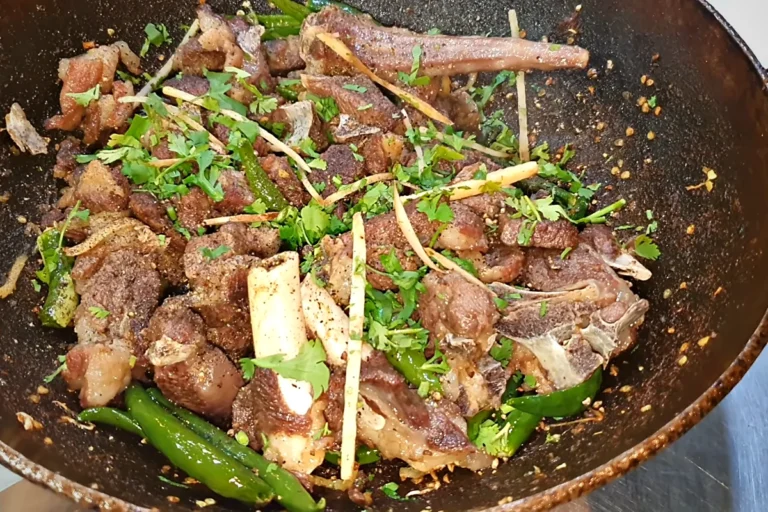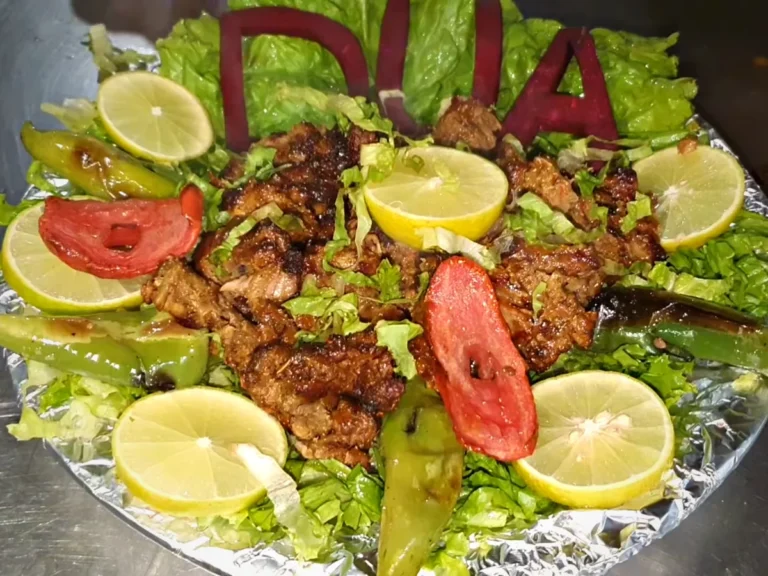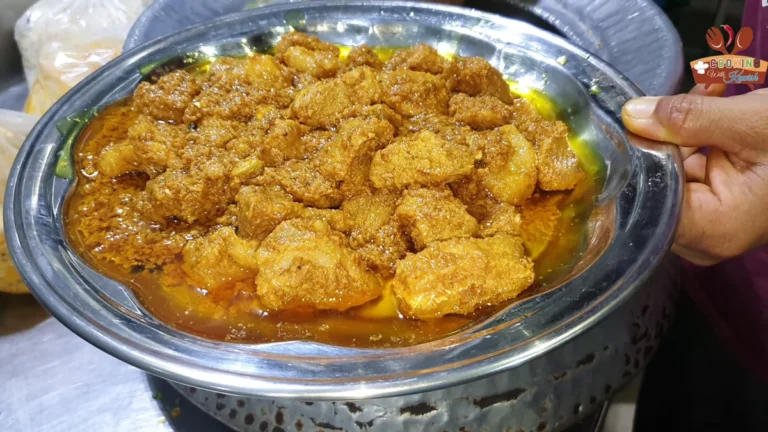
Shinwari White Mutton Karahi

Embark on a culinary journey to the heart of Pakistan with this incredible Shinwari White Mutton Karahi recipe, straight from the legendary Shinwari Malik Agha Restaurant. This isn’t just any karahi; it’s a masterpiece of flavor, simplicity, and tradition, renowned across Karachi for its distinctive taste and creamy texture. Forget about overly complicated spice blends; the beauty of this dish lies in its minimalist approach, allowing the rich, natural flavors of the mutton to shine through, complemented by a velvety, yogurt and cream-based sauce.

The Shinwari style of cooking, originating from the tribal regions of Pakistan, is celebrated for its focus on fresh ingredients and straightforward techniques. Unlike many other Pakistani karahis that feature a vibrant tomato base, the Shinwari White Mutton Karahi stands out with its pale, luscious appearance and a taste profile that is both subtle and profoundly satisfying. It’s a dish that promises a melt-in-your-mouth experience with every bite, making it a favorite among connoisseurs and casual diners alike.

Our journey takes us virtually to the bustling Sohrab Goth area in Karachi, home to the iconic Shinwari Malik Agha Restaurant. This eatery has perfected the art of karahi making, drawing crowds from all corners of the city who crave their signature dishes. Their White Mutton Karahi, in particular, has garnered immense fame for its unparalleled taste and the unique method of preparation. Today, we’re not just sharing a recipe; we’re unveiling the secrets behind their 1kg Mutton White Karahi, ensuring you can recreate this authentic experience in your own kitchen.

Preparing this authentic Shinwari White Mutton Karahi is a testament to the idea that less is often more. With just a handful of key ingredients and precise cooking steps, you can achieve a dish that rivals the best restaurants. This detailed guide will walk you through each stage, from selecting the finest mutton to mastering the art of slow cooking and achieving that perfect creamy finish. Whether you’re a seasoned chef or a home cook looking to expand your repertoire, this recipe is designed to be accessible yet yield extraordinary results. Get ready to impress your family and friends with a dish that truly embodies the rich culinary heritage of Pakistan.

If you’ve ever savored the robust flavors of a traditional Shinwari Mutton Karahi or enjoyed the fiery zest of a Cholistani Chicken Karahi, you’ll appreciate the distinct character of this white version. It offers a different, yet equally captivating, taste experience. The absence of tomatoes allows the creamy texture and the delicate balance of green chilies, ginger, garlic, and black pepper to come to the forefront. This makes it a perfect dish for those who prefer milder, yet deeply flavorful, curries.

Moreover, understanding the nuances of Shinwari cooking can elevate your overall culinary skills. The emphasis on cooking meat until it’s incredibly tender, often in its own juices or with minimal added liquid, is a technique that can be applied to many other meat preparations. This recipe serves as an excellent foundation for exploring other regional specialties, such as a Perfect Shinwari Karahi or even a lighter Green Chicken Karahi. Each step is crucial, from the initial simmering that breaks down the mutton fibers to the final integration of cream that brings everything together into a harmonious blend.

We understand the importance of authenticity, especially when recreating a dish as iconic as the Shinwari Malik Agha’s White Mutton Karahi. That’s why this recipe is meticulously detailed, capturing the exact techniques and ingredient ratios used by the restaurant’s chefs. From the specific amount of cooking oil to the precise cooking times, every element has been considered to ensure your homemade karahi tastes as close to the original as possible. This commitment to detail is what sets this recipe apart, transforming a simple meal into an unforgettable dining experience. Prepare to delight your senses and embark on a culinary adventure that will leave a lasting impression.

For those who love to experiment, this recipe also offers a fantastic base. While we advocate for sticking to the traditional method for the first attempt, you might find subtle ways to personalize it in the future. Perhaps a touch more ginger for an extra kick, or a different type of chili for a nuanced heat. However, the core principles — quality mutton, slow cooking, and the creamy, spice-minimal sauce — are what truly define this Shinwari masterpiece. So, gather your ingredients, set aside some time, and get ready to create a dish that will transport you straight to the bustling streets of Karachi, without ever leaving your kitchen. It’s a journey worth taking for any food enthusiast.

Why This Shinwari White Mutton Karahi is Authentic

The Shinwari White Mutton Karahi from Malik Agha Restaurant is not just a dish; it’s a representation of a distinct culinary philosophy. Its authenticity stems from several key practices:

  • Minimal Spice Usage: Unlike many South Asian curries, this karahi deliberately uses very few spices. The focus is purely on enhancing the natural flavor of the mutton and the fresh aromatics like ginger, garlic, and green chilies. This allows the meat’s true taste to dominate, a hallmark of Shinwari cooking.
  • No Tomatoes or Onions: A defining characteristic of authentic Shinwari white karahi is the complete absence of tomatoes and onions. This ensures the white color and prevents the dish from taking on a reddish hue or a sweet-sour profile, maintaining its unique creamy and savory essence.
  • Yogurt and Cream Base: The rich, velvety texture and pale color are achieved through the strategic use of yogurt and fresh cream. These ingredients not only provide a luxurious mouthfeel but also temper the heat from the green chilies, creating a balanced and comforting flavor.
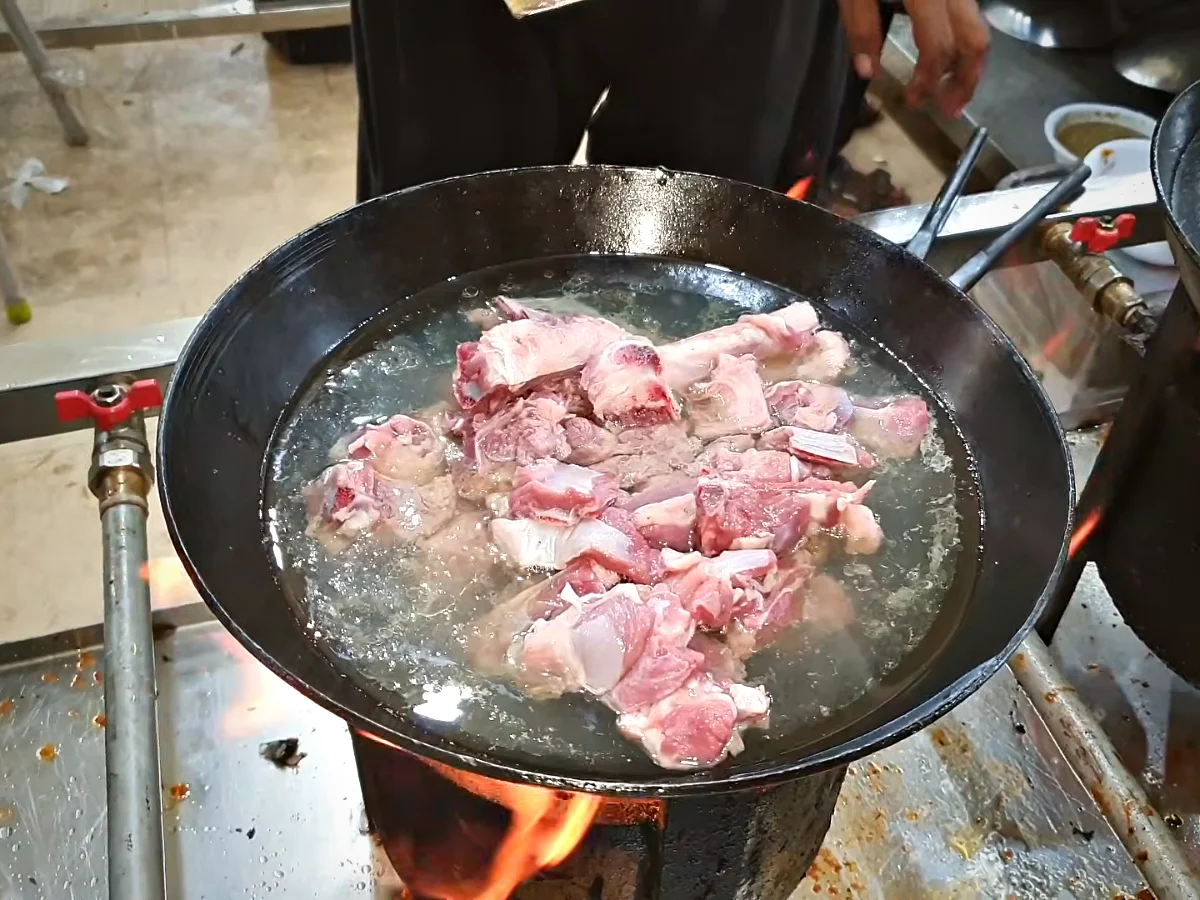
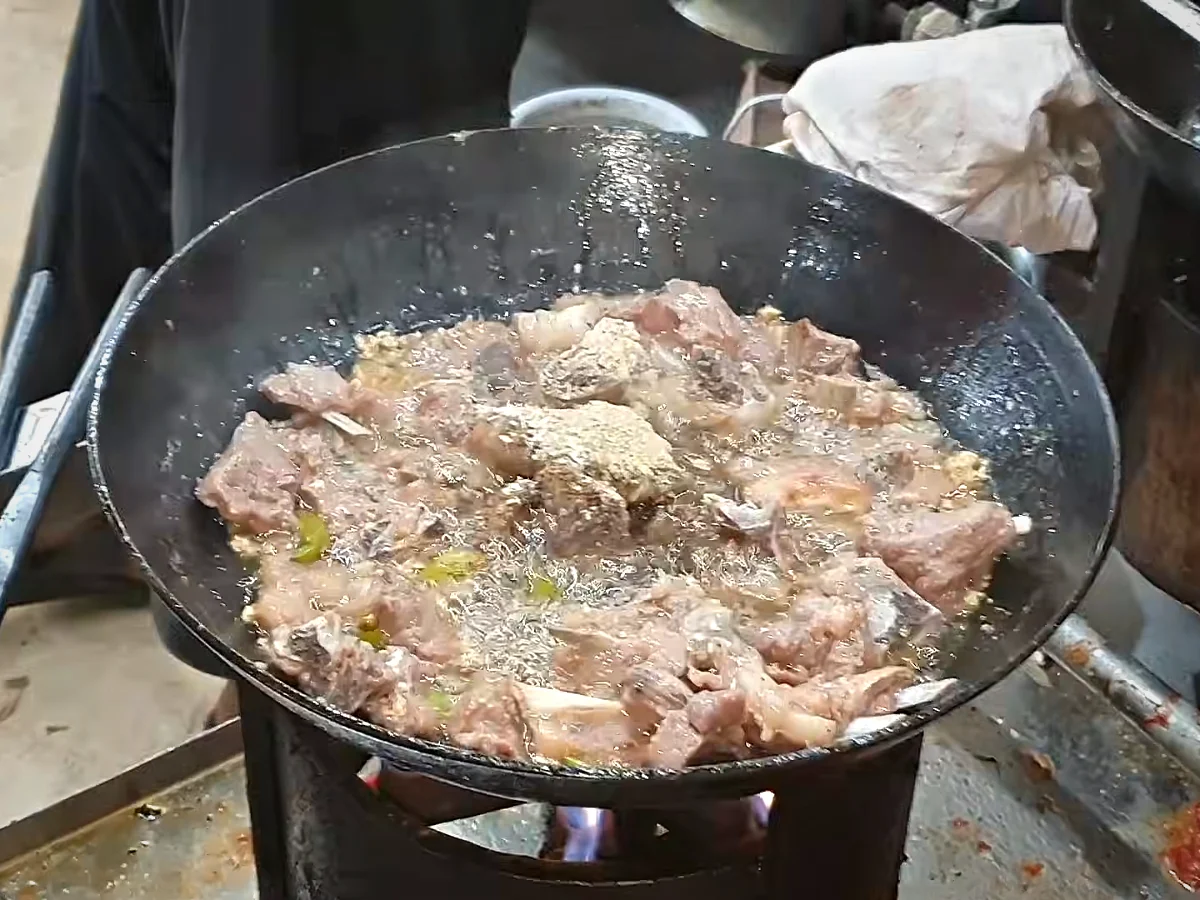
  • Slow Cooking for Tenderness: The mutton is initially cooked on a medium flame for an extended period (40-45 minutes) with water, salt, and ginger-garlic paste. This slow cooking process is crucial for breaking down the tough fibers of the mutton, resulting in incredibly tender, fall-off-the-bone meat that melts in your mouth.
  • Green Chili Infusion: Instead of being blended into a paste, whole or slit green chilies are added during a specific stage and covered. This allows their flavor and subtle heat to gently infuse into the mutton, creating a nuanced spice that is aromatic rather than overwhelmingly hot.
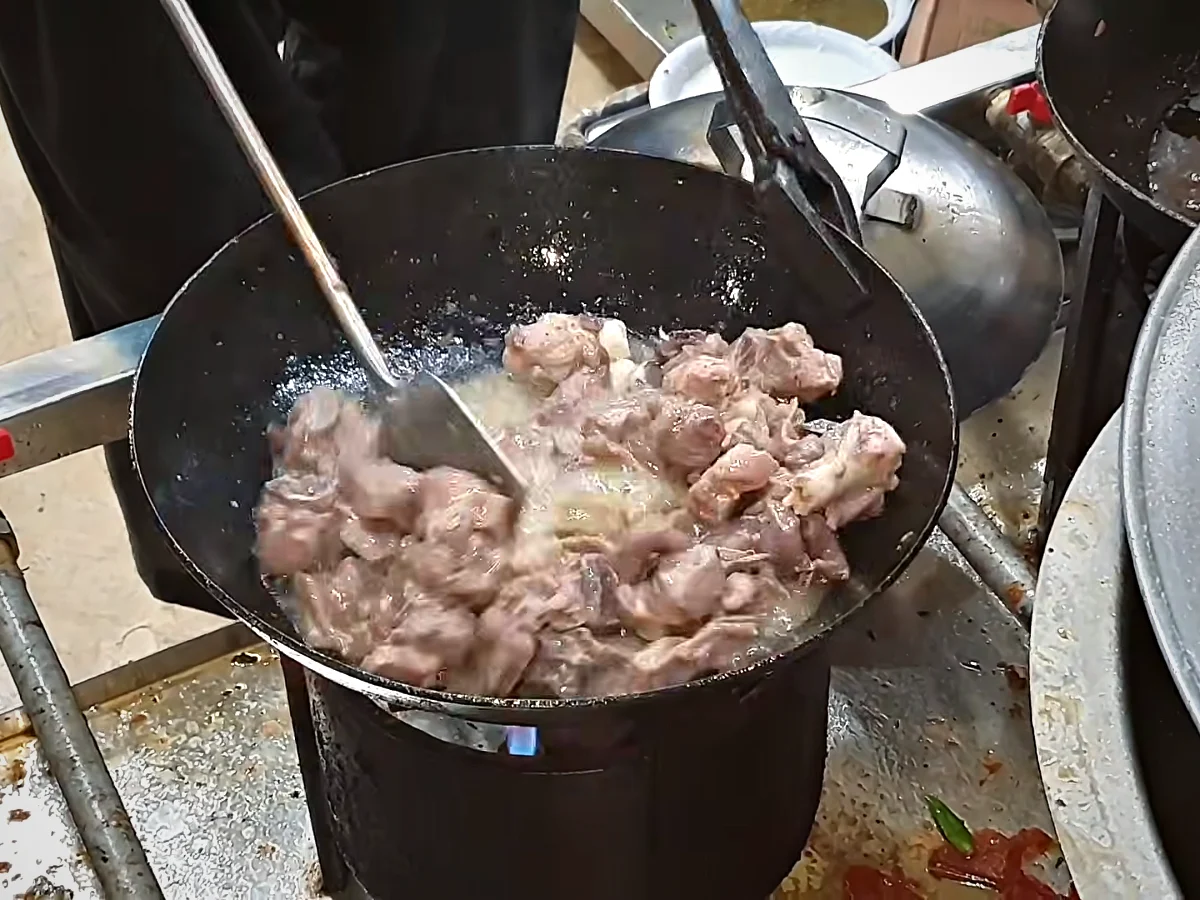
  • Cooking in Its Own Juices and Rendered Fat: After the initial tenderizing, the water is evaporated, and the mutton is cooked further in its own rendered fat and the added oil. This ‘bhunai’ (sautéing) process is vital for developing depth of flavor and achieving the desired texture before the creamy elements are introduced.

7 Secrets for the Perfect Shinwari White Mutton Karahi

Achieving the restaurant-quality taste of Shinwari Malik Agha’s White Mutton Karahi at home requires attention to detail. Here are seven crucial secrets that will elevate your dish from good to absolutely phenomenal:

  1. Source High-Quality, Fresh Mutton: The foundation of any great mutton dish is the meat itself. For Shinwari White Mutton Karahi, opt for fresh, tender cuts, preferably from the shoulder or leg, with a good balance of meat and bone. Bones add immense flavor to the karahi during the slow cooking process. Freshness ensures a cleaner taste and better texture. Avoid frozen mutton if possible, as it can sometimes become stringy.
  2. Master the Initial Tenderizing Process: The first 40-45 minutes of cooking are paramount. Adding 1kg mutton with 1 cup oil, 2 cups water, ½ tbsp salt, and ½ tbsp ginger-garlic paste, then covering and simmering on medium flame, ensures the mutton becomes incredibly tender without drying out. This slow-cooking method breaks down connective tissues, making the meat succulent and easy to chew. Do not rush this step; patience here pays off in a melt-in-your-mouth texture.
  3. Thoroughly Dry Out the Water Before Bhunai: After the mutton is tender, it’s crucial to evaporate all the excess water from the pot. If cooking on a home stove, where high flame evaporation might be challenging without overcooking the mutton, you can carefully spoon out some of the water. Then, increase the flame to high to ensure the remaining water fully evaporates until only the oil and mutton are left. This ‘bhunai’ (sautéing) step is essential for developing a deep, rich flavor and preventing a watery karahi.
  4. Infuse Flavor with Green Chilies at the Right Stage: The green chilies are not just for heat; they’re for a subtle, aromatic infusion. Adding 4-5 medium green chilies after the water has dried and covering the pot for 3-4 minutes allows their essential oils and gentle spice to permeate the mutton. This method prevents the chilies from becoming overly dominant or losing their fresh flavor, contributing to the karahi’s characteristic taste.
  5. Incorporate Yogurt Gradually and Mix Well: When adding the cup of yogurt, ensure it’s at room temperature to prevent curdling. Add it gradually while stirring continuously for 2-3 minutes on a medium flame. This process emulsifies the yogurt with the oil and mutton, creating a smooth, creamy base. Covering and cooking for another 10-12 minutes after adding yogurt allows its tang and richness to fully integrate into the meat, further tenderizing it and deepening the flavor profile.
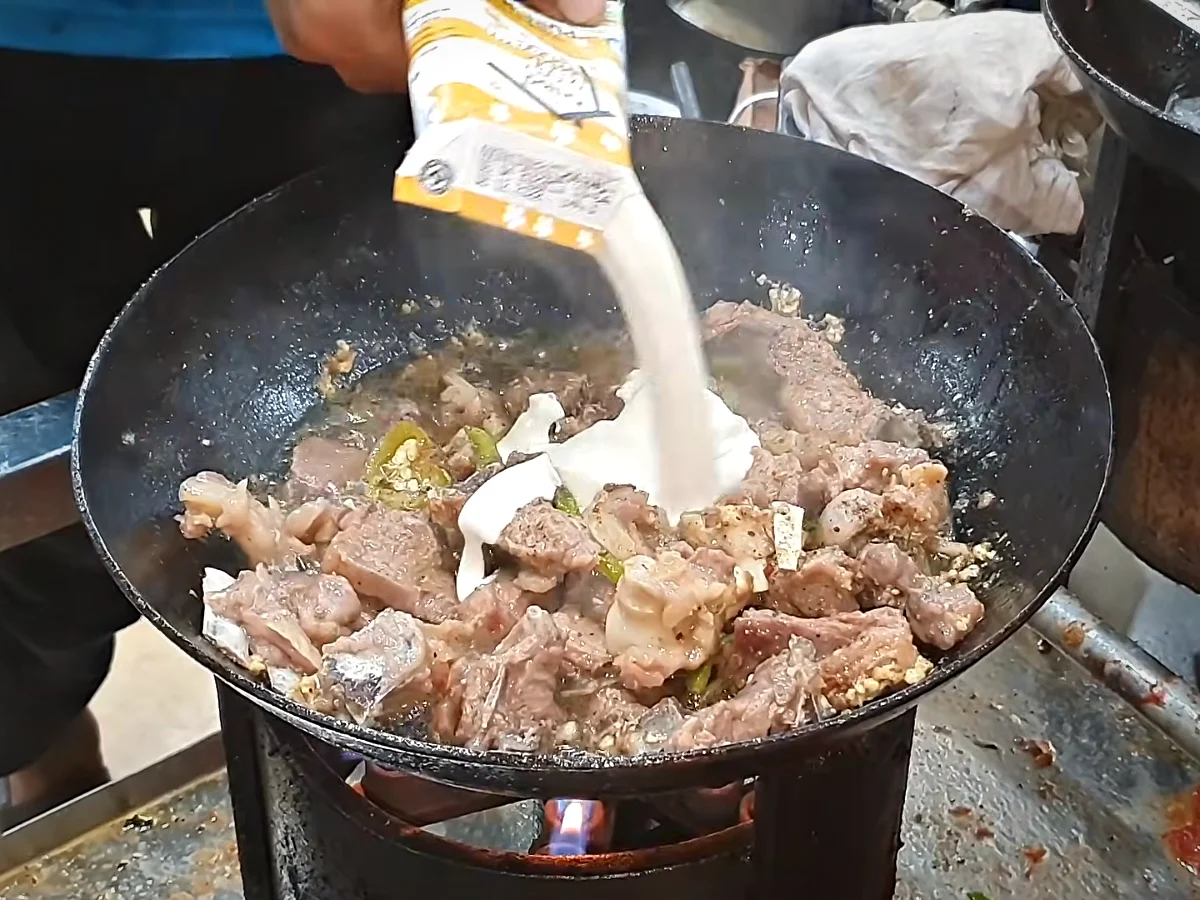
  6. Add Cream on Low Flame to Maintain Smoothness: The final touch of cream gives the karahi its signature velvety texture and pale color. It’s vital to add 4-5 tablespoons of fresh cream when the flame is on low to medium. High heat can cause the cream to split or curdle, ruining the smooth consistency. Mix gently but thoroughly for 2-3 minutes, allowing the cream to warm through and combine without boiling vigorously. This step ensures a luxurious, unctuous finish.
  7. Garnish with Fresh Julienned Ginger for Aroma and Presentation: While minimal, the garnish is significant. Freshly julienned ginger added just before serving is not merely for aesthetics. The pungent, fresh aroma of ginger elevates the entire dish, providing a counterpoint to the richness of the cream and mutton. It adds a final layer of complexity and freshness that is characteristic of authentic Shinwari karahis.
Common MistakePro FixWhy It Matters
Not tenderizing mutton enough in the initial stage.Cook mutton for a full 40-45 minutes on medium flame, covered, with sufficient water.Ensures the mutton becomes incredibly soft and succulent, making it melt in your mouth. Rushing this step results in tough, chewy meat.
Adding too many spices or tomatoes.Stick to the minimal spice list: salt, ginger-garlic, black pepper, and green chilies. Avoid tomatoes entirely.Preserves the authentic Shinwari white karahi flavor profile, allowing the natural taste of mutton and cream to dominate, rather than being masked.
Not drying out water completely before adding other ingredients.Increase flame to high after mutton is tender, ensuring all water evaporates until only oil remains. Spoon out excess if needed.Prevents a watery, bland karahi. Proper evaporation allows the mutton to ‘bhun’ (sauté) in oil, developing deep flavors and a rich texture.
Adding yogurt or cream on high heat, causing it to curdle.Ensure yogurt is room temperature; add slowly with continuous stirring. Add cream on low to medium flame, mixing gently.Maintains the smooth, luxurious, and creamy texture of the karahi. Curdled dairy negatively impacts both taste and visual appeal.
Rushing the green chili infusion step.Cover and cook green chilies for 3-4 minutes after adding them to the almost dry mutton.Allows the subtle heat and fresh aroma of the chilies to properly infuse into the mutton, creating a balanced and aromatic spice rather than just raw heat.

Notes

This Shinwari White Mutton Karahi is a versatile and forgiving dish, but a few notes can help you perfect your experience:

Storage

Leftover Shinwari White Mutton Karahi can be stored in an airtight container in the refrigerator for up to 3-4 days. To reheat, gently warm on the stovetop over low heat, adding a splash of water or milk if the sauce has thickened too much. Avoid high heat during reheating to prevent the cream from splitting. This karahi also freezes well for up to 1 month. Thaw overnight in the refrigerator before reheating. Freezing might slightly alter the texture of the cream, but the flavor will largely remain intact.

Serving Suggestions

The rich, creamy Shinwari White Mutton Karahi is best enjoyed with simple accompaniments that allow its flavors to shine. Traditionally, it’s served with freshly baked naan, tandoori roti, or chapati, perfect for scooping up the luscious gravy. A side of fresh salad, such as sliced cucumbers, tomatoes, and onions, provides a refreshing contrast. A simple mint raita (yogurt dip) can also complement the richness of the karahi beautifully. For an extra touch, sprinkle with additional julienned ginger and a squeeze of fresh lemon juice just before serving.

Variations

  • Chicken Variation: If mutton is not available or preferred, you can easily adapt this recipe for chicken. Use 1kg boneless chicken or chicken with bones. Reduce the initial cooking time for tenderizing to about 15-20 minutes, as chicken cooks much faster than mutton. The rest of the steps remain largely the same.
  • Lighter Version: For a slightly lighter karahi, you can reduce the amount of cooking oil by half. You can also use low-fat yogurt and cream, though this might slightly alter the richness and texture.
  • Spicier Kick: If you prefer more heat, you can add a couple of extra green chilies during the infusion step, or finely chop one or two and add them with the ginger-garlic paste. A pinch of red chili flakes can also be added with the black pepper, but be mindful not to overpower the delicate white karahi flavor.
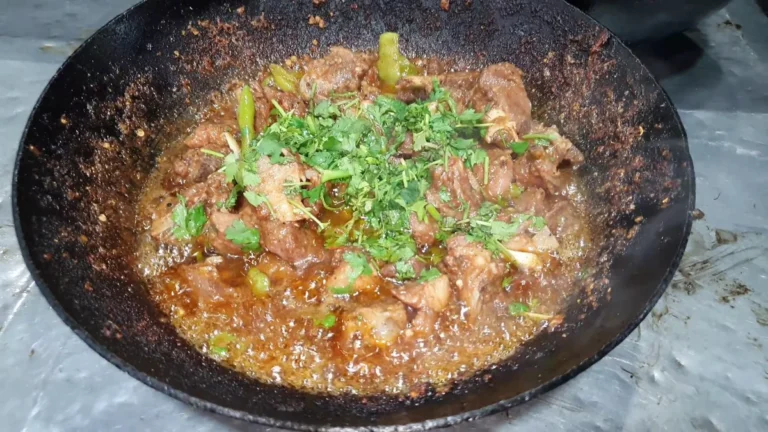
  • Herbaceous Touch: While not traditional, a sprinkle of fresh cilantro (coriander) at the end can add a fresh, herbaceous note.
  • Garlic Lover’s Delight: For an extra garlicky punch, add a bit more ginger-garlic paste during the initial cooking stage. The slow cooking will mellow its intensity while enhancing the overall aroma.
Shinwari White Mutton Karahi

Shinwari White Mutton Karahi

This Shinwari White Mutton Karahi recipe, inspired by a famous restaurant, offers a unique and incredibly flavorful experience. Prepared with tender mutton, a rich blend of yogurt and cream, and aromatic spices, it's a must-try for lovers of authentic Pakistani cuisine, known for its distinct 'white' gravy.
Prep Time 15 minutes
Cook Time 1 hour
Total Time 1 hour 15 minutes
Servings: 4 Persons
Course: Main Course
Cuisine: Karachi Style / Shinwari, Restaurant Style
Calories: 550

Ingredients
  

Main Ingredients
  • 1 kg Mutton bone-in, cut into karahi pieces
  • 1 cup Cooking Oil approx. 240 ml
  • 2 cups Water approx. 480 ml
  • 0.5 tbsp Ginger-Garlic Paste
  • 4-5 medium-sized Green Chilies slit lengthwise
  • 1 cup Yogurt plain, full-fat, whisked
  • 4-5 tbsp Fresh Cream full-fat dairy cream
Spices
  • 0.5 tbsp Salt or to taste
  • 1 tsp White Pepper Powder or black pepper powder, to taste
For Garnish
  • 2 tbsp Fresh Ginger julienned

Method
 

Preparation
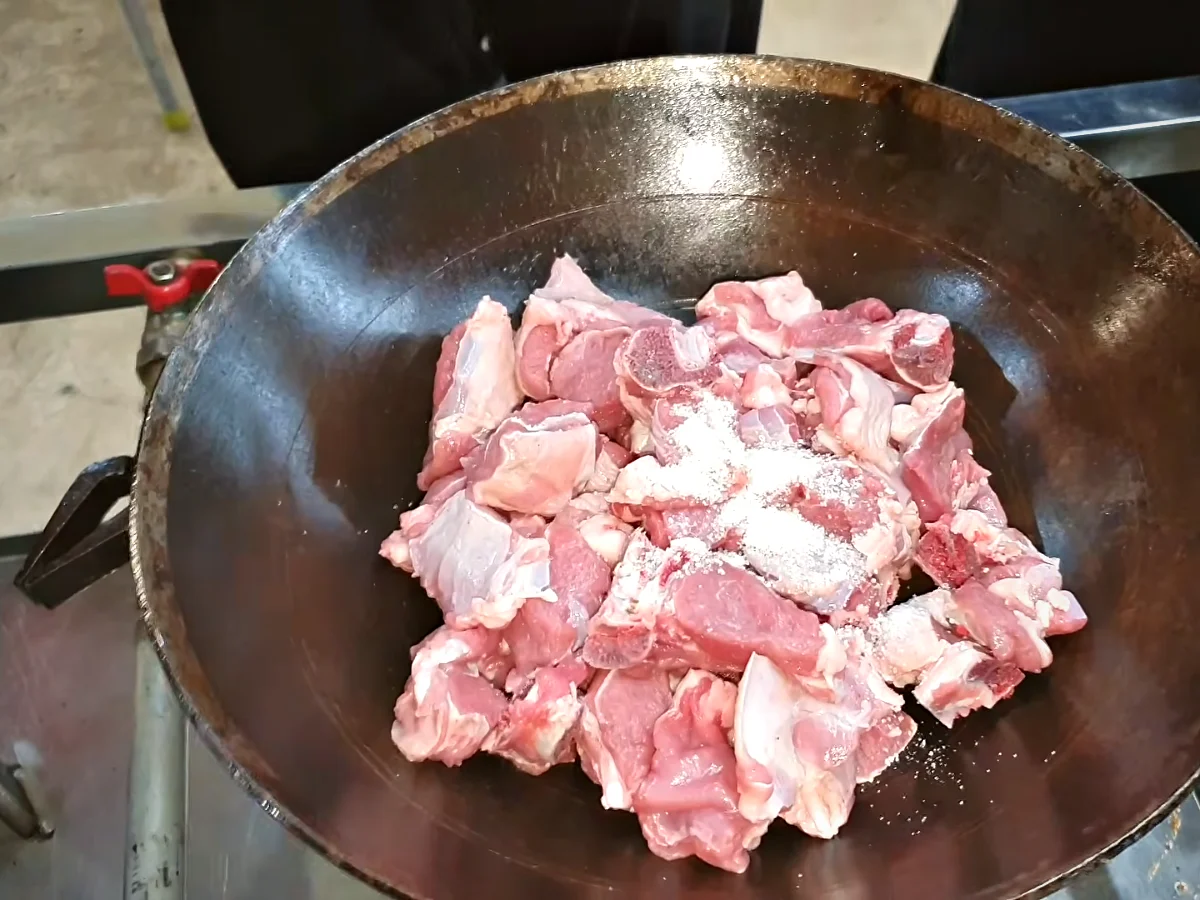
  1. Thoroughly wash the mutton pieces and drain any excess water. Prepare your ginger-garlic paste if not already done. Slit the green chilies lengthwise and julienne the fresh ginger for later garnish.
Cooking
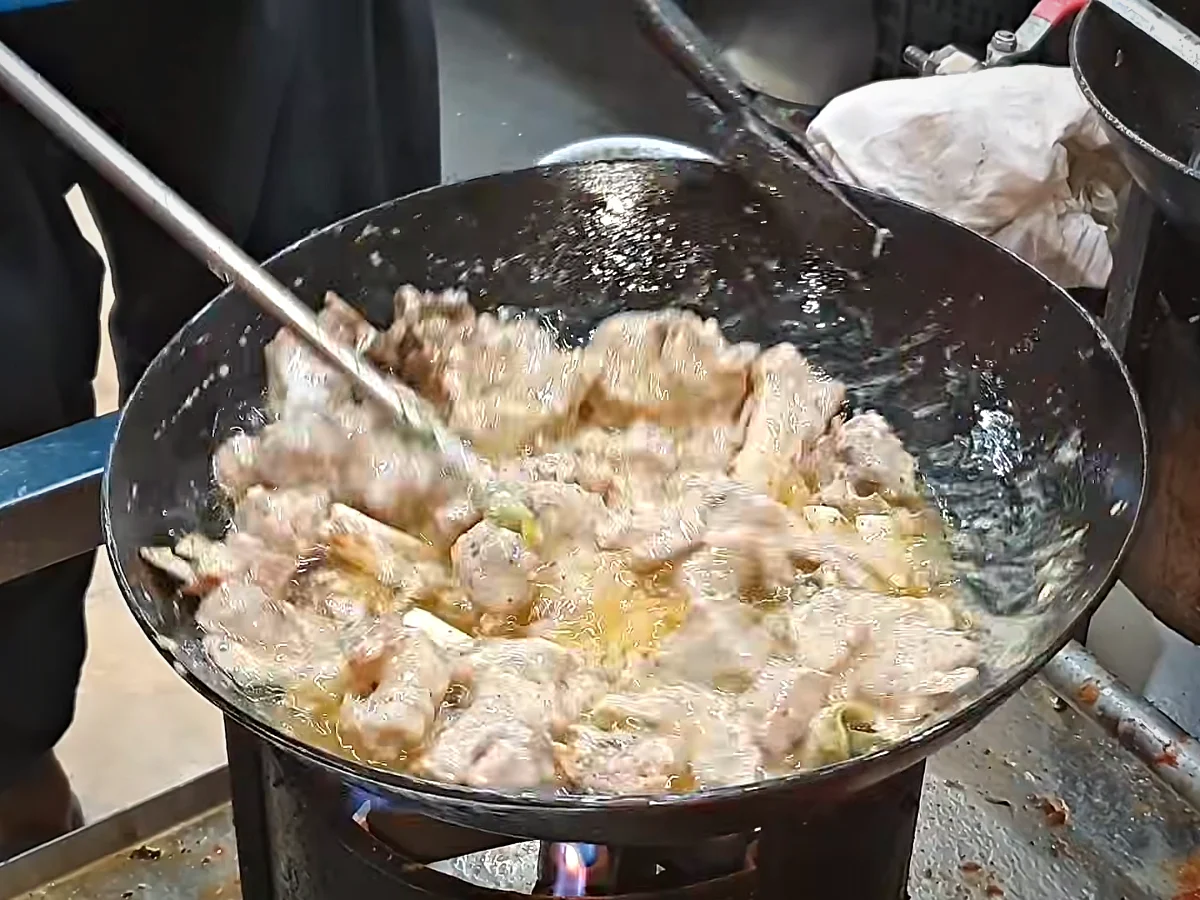
  1. In a large karahi or heavy-bottomed pot, combine the 1 kg mutton, 0.5 tbsp salt (adjust to your taste), 1 cup cooking oil, 2 cups water, and 0.5 tbsp ginger-garlic paste.
  2. Cover the pot tightly and cook on medium flame for 40-45 minutes, or until the mutton is tender and most of the water has evaporated.
  3. After 40-45 minutes, check the mutton for tenderness. If there’s still a significant amount of water remaining, you can either carefully ladle some out or increase the flame to high and stir occasionally until all the water has completely dried up and only oil remains.
  4. Add the 4-5 medium-sized slit green chilies to the karahi. Cover and cook for another 3-4 minutes to allow their flavor and aroma to infuse into the mutton.
  5. Now, add 1 cup of whisked plain yogurt to the karahi. Mix well for 2-3 minutes, ensuring the yogurt is fully incorporated with the mutton.
  6. Cover the karahi again and continue to cook on a medium-low flame for 10-12 minutes. This step allows the yogurt to cook through and its rich flavors to blend deeply with the mutton.
  7. Uncover the karahi and add 1 teaspoon of white pepper powder (or black pepper powder, according to your preference). Mix thoroughly.
  8. Reduce the flame to low. Add 4-5 tablespoons of fresh cream. Gently mix for 2-3 minutes. It’s crucial not to cook on high heat after adding the cream, as it may curdle and affect the texture of your karahi.
Final Touches
  1. Garnish the Shinwari White Mutton Karahi generously with the fresh julienned ginger before serving.

Video

Notes

Serve this delicious Shinwari White Mutton Karahi hot with fresh naan, roti, or paratha. Leftovers can be stored in an airtight container in the refrigerator for up to 2-3 days. Reheat gently on the stovetop or in the microwave until warmed through.

Frequently Asked Questions (FAQs)

What makes Shinwari White Mutton Karahi different from other karahis?

The Shinwari White Mutton Karahi distinguishes itself from other karahi variations primarily by its unique ingredient profile and cooking philosophy. Unlike many other Pakistani karahis, it completely omits tomatoes and onions, which are staple ingredients in red or brown karahis. This absence is crucial for maintaining its signature white color and creamy texture. Furthermore, it relies on a very minimal set of spices, focusing on salt, black pepper, green chilies, ginger, and garlic, allowing the natural, rich flavor of the mutton to be the star. The use of yogurt and fresh cream as the base contributes to its luxurious, velvety consistency and mild, yet deeply satisfying, taste.

Can I use chicken instead of mutton for this recipe?

Yes, absolutely! While the original recipe calls for mutton, you can certainly adapt it to use chicken. If you choose to use chicken, especially boneless chicken, you will need to significantly reduce the initial cooking time for tenderizing. For chicken with bones, about 15-20 minutes of simmering should be sufficient to make it tender. For boneless chicken, it might be even less, around 10-15 minutes, as chicken cooks much faster than mutton. Ensure the chicken is cooked through but not overcooked, as it can become dry. The rest of the steps, including the addition of green chilies, yogurt, and cream, can remain the same.

How can I prevent the yogurt from curdling in the karahi?

Preventing yogurt from curdling is a common concern, but it’s easily managed with a few simple techniques. Firstly, always ensure your yogurt is at room temperature before adding it to a hot pan. Cold yogurt can shock the hot mixture and curdle. Secondly, whisk the yogurt thoroughly until it’s smooth and lump-free before adding. Thirdly, add the yogurt gradually to the karahi while stirring continuously. It’s best to lower the flame to medium or low when incorporating the yogurt. Stirring constantly helps to temper the yogurt and integrate it smoothly into the sauce, creating a silky, consistent gravy without any undesirable grainy texture.

What if my mutton isn’t tender after 45 minutes of cooking?

The cooking time for mutton can vary depending on the cut, age of the animal, and even the type of stove you are using. If, after 40-45 minutes, your mutton is still not as tender as desired, simply continue to cook it, covered, on a medium flame. Check periodically and add a little more hot water if needed to prevent it from drying out. The goal is melt-in-your-mouth tenderness. Some tougher cuts might require up to 60-75 minutes or even longer. Patience is key here; do not rush this stage, as perfectly tender mutton is crucial for the authentic Shinwari experience.

What are the best side dishes to serve with Shinwari White Mutton Karahi?

The rich and creamy Shinwari White Mutton Karahi pairs wonderfully with a variety of simple side dishes that complement its flavors without overpowering them. The most traditional accompaniments are freshly baked tandoori naan or hot chapatis, which are perfect for scooping up the delicious gravy. Steamed basmati rice can also be served, though it’s less common for karahis. To cut through the richness, a simple side salad of sliced cucumbers, tomatoes, and red onions with a squeeze of lemon juice is highly recommended. A refreshing mint raita (a yogurt dip with mint and other spices) also provides a cooling contrast that balances the karahi’s creamy profile beautifully.

Join the Cooking with Kawish Community

We love seeing your culinary creations! Share your Shinwari White Mutton Karahi with us and become a part of our growing community of food enthusiasts.

Instagram: Follow @cooking_with_kawish — Tag us in your stories to get featured!

Facebook: Like Cooking with Kawish

YouTube: Subscribe to Cooking with Kawish

TikTok: Follow @cookingwithkawish

Happy Cooking!

Similar Posts

Leave a Reply

Your email address will not be published. Required fields are marked *

Recipe Rating