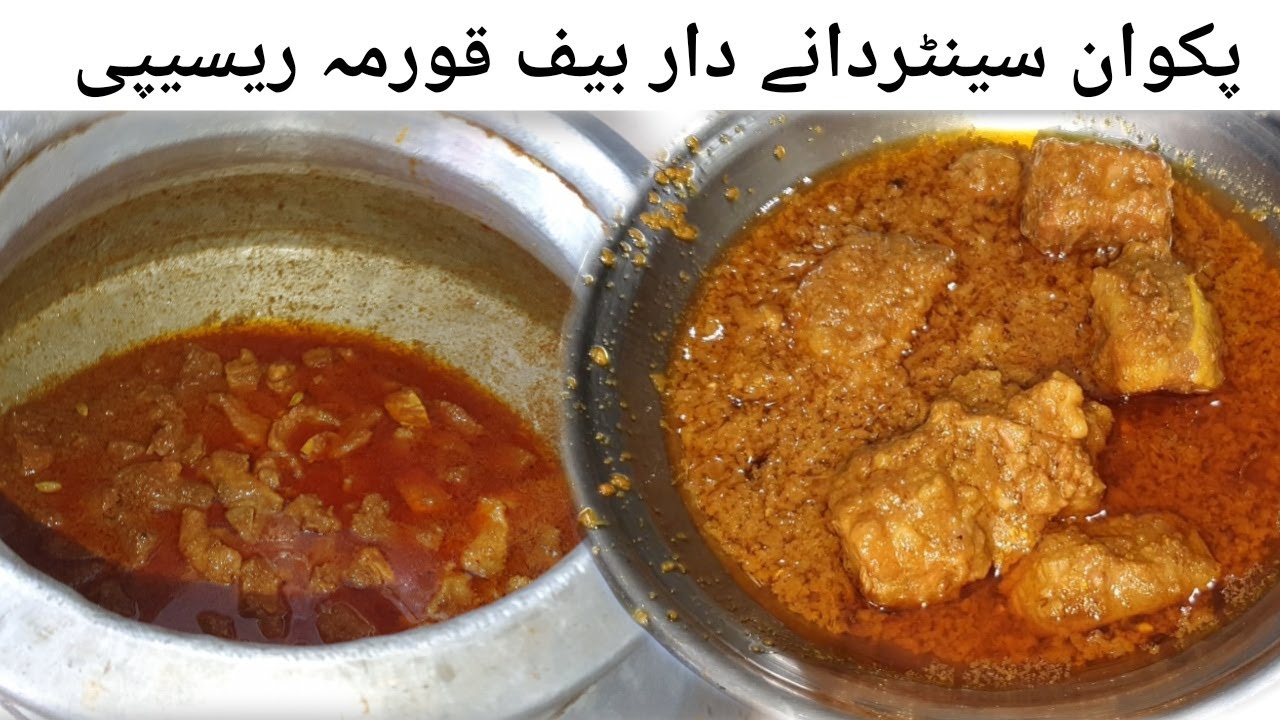
Are you ready to master the art of making an authentic Degi Danedar Beef Korma right in your own kitchen?
This isn’t just any korma recipe; we’re diving deep into the culinary secrets of Asad Pakwan Center to bring you a truly exceptional dish.
The term “degi” refers to the traditional large cooking pot, giving the korma a distinctive slow-cooked flavor, while “danedar” describes the beautifully grainy, rich texture of the gravy – a hallmark of a truly great korma that many struggle to achieve at home.
For many home cooks, replicating the restaurant-quality danedar texture of korma seems like an impossible feat.
Often, the gravy turns out smooth or watery, lacking that signature graininess that makes a korma truly special.
But what if we told you there’s a precise technique, a culinary dance of stirring and cooking, that guarantees this coveted texture every single time?
This comprehensive guide will demystify the process, breaking down each step to ensure your 4kg beef korma turns out spectacular.
Imagine serving a rich, aromatic, and perfectly textured beef korma that transports your guests straight to the bustling streets of Pakistan, reminiscent of the finest wedding feasts.
This recipe is designed for those who appreciate the depth of flavor that comes from traditional cooking methods and are willing to invest a little time to achieve culinary perfection.
Whether you’re a seasoned chef or an adventurous home cook, this detailed guide will equip you with all the knowledge you need.
We’ll walk you through everything from selecting the right ingredients to the crucial cooking techniques that distinguish a good korma from an extraordinary one.
Prepare to impress your family and friends with a dish that’s not just food, but an experience. And while you’re exploring the rich flavors of Pakistani cuisine, be sure to check out our other incredible recipes like Degi White Beef Biryani for another festive meal, or perhaps the fiery Beef Chilli Dry for a different kind of beef delight.
If you’re looking for more traditional Pakistani dishes, don’t miss our Shinwari Beef Kabab, the comforting Degi Mutton Kunna, or the melt-in-your-mouth Beef Pasanday Bihari Style.
Each offers a unique taste of South Asian culinary heritage, much like the Degi Danedar Beef Korma we’re about to master.
Why This Degi Danedar Beef Korma is Authentic
Replicating the true taste and texture of a traditional Degi Danedar Beef Korma from renowned centers like Asad Pakwan requires understanding specific techniques. This recipe isn’t just about ingredients; it’s about the method:
- The Art of Whisking Yogurt: A cornerstone of the danedar texture, the yogurt is vigorously whisked for several minutes *before* mixing with spices and oil. This creates an incredibly smooth base that later breaks down into fine grains, preventing curdling and contributing to the desired consistency. Many recipes skip this crucial pre-whisking step, leading to a lumpy or smooth gravy.
- Strategic Spice Integration: Spices are added to oil and mixed with a little water before the beef is introduced. This allows the spices to bloom in the oil, releasing their full aroma and flavor, rather than just boiling with the meat. It’s a foundational step for building the rich, deep taste profile of the korma.
- Low and Slow Meat Tenderization: After an initial boil on high flame, the beef is cooked for over an hour on a very low flame. This gentle, prolonged cooking process ensures the 4kg of beef becomes incredibly tender and succulent, literally falling apart, which is essential for a melt-in-your-mouth korma experience.
- The Signature “Bhunai” Technique: This is the ultimate secret to the “danedar” texture. After the meat is tender and brown onions are added, the korma undergoes a vigorous, continuous stirring process – first with a spoon, then by shaking the pot – on high heat for 10-12 minutes. This unique method causes the fat to separate and the yogurt solids to form tiny, distinct granules, creating that prized grainy texture.
- Finishing with a Flourish: A final addition of cooking oil at the very end, combined with continued “bhunai,” gives the korma its characteristic glossy sheen and prevents it from looking dry. This isn’t just for aesthetics; it enhances the overall richness and appeal of the dish, making it look as magnificent as it tastes.
7 Secrets for the Perfect Degi Danedar Beef Korma
Achieving that perfect Degi Danedar Beef Korma at home is all about precision and technique. Here are 7 crucial secrets that will elevate your korma from good to truly unforgettable, ensuring that beautiful danedar texture and rich flavor:
1. The Unwavering Whisking of Yogurt
Before any other ingredient touches the pot, your yogurt needs attention. Vigorously whisk 1 kg of plain yogurt for a full 4-5 minutes. This process breaks down any lumps and creates an incredibly smooth, creamy consistency. This smooth base is absolutely critical; it prevents the yogurt from curdling when it hits the heat and ensures that when it eventually separates, it forms fine granules instead of large curds, which is key to the “danedar” texture.
2. Blooming Spices in Cold Oil
Instead of adding spices to hot oil, which can burn them quickly, start with cold oil. Add all your dry spices (coriander, red chili, turmeric, cloves, cardamom, salt) and ginger-garlic paste to approximately 0.5 liters of cooking oil while the flame is still off. Mix them thoroughly. Then, add a tiny splash of water to form a thick paste. This allows the spices to hydrate and bloom gently as the oil heats up, releasing their full aromatic potential without scorching. This foundational step builds a deep flavor profile.
3. The Initial High-Heat Sear and Slow Simmer
Once the beef is added to the spiced oil, turn the flame to high. Bring the mixture to a rolling boil. This initial high heat helps to seal the juices in the meat and kickstarts the cooking process. Immediately after it boils, reduce the flame to the absolute lowest setting. Cover the pot and allow the 4kg of beef to cook slowly for 1 to 1.25 hours. This ‘low and slow’ method is essential for tenderizing the beef to perfection, making it incredibly succulent and easy to shred.
4. Incorporating Brown Onions for Depth
After the beef is tender, it’s time to add the crushed brown onions (approximately two handfuls). Brown onions are critical for korma; they provide sweetness, body, and a beautiful dark color. Ensure they are finely crushed, as this helps them dissolve into the gravy and contribute to the danedar texture without leaving large pieces. Mix them in thoroughly, distributing their flavor throughout the dish.
5. The First Phase of “Bhunai” (Stirring)
This is where the magic truly begins. After adding the brown onions, turn the flame back to high. Using a sturdy spoon, continuously stir the korma for 4-5 minutes. This initial vigorous stirring helps to integrate the onions, break down any remaining yogurt curds, and start the process of reducing the gravy. It’s a crucial step in developing the base for that grainy texture.
6. The Pot-Shaking “Bhunai” for Danedar Texture
Following the spoon stirring, transition to the traditional “bhunai” technique by gently but firmly shaking the pot or wok continuously for another 7-8 minutes on high flame. This unique motion helps to separate the fat from the solids and encourages the formation of distinct, fine granules from the yogurt and onion mixture. This is the ultimate secret to achieving the coveted “danedar” (grainy) texture that defines an authentic Degi Korma. Be careful not to burn your hands while shaking!
7. The Final Oil Boost for Sheen and Richness
As the “danedar” texture starts to appear, add an additional 3-4 tablespoons of cooking oil. This might seem counterintuitive, but this final oil addition is a restaurant secret. It gives the korma a beautiful, glossy sheen and adds to its richness, making it visually appealing and enhancing the overall flavor. Continue the vigorous “bhunai” (stirring and shaking) for another 10-12 minutes on high flame until the oil completely separates and rises to the top, and the danedar texture is perfectly formed. This extended cooking time ensures maximum flavor development and the ideal consistency.
| Common Mistake | Pro Fix | Why It Matters |
|---|---|---|
| Lumpy or curdled gravy | Thoroughly whisk yogurt for 4-5 minutes before adding to the pot. | Ensures a smooth base that breaks down into fine granules, not large curds, for the danedar texture. |
| Tough or chewy beef | Cook on very low flame for 1 to 1.25 hours after initial boil, checking for tenderness. | Slow cooking breaks down tough fibers, making the beef melt-in-your-mouth tender. |
| Bland or underdeveloped flavor | Add spices to cold oil with a splash of water, allowing them to bloom gently. | Prevents burning spices and allows them to release maximum aroma and flavor, building a rich base. |
| No “danedar” (grainy) texture | Perform continuous “bhunai” (stirring/shaking) on high heat for 10-12 minutes after adding brown onions. | This crucial technique separates fat and forms distinct granules from yogurt solids, creating the signature texture. |
| Korma looks dull or dry | Add 3-4 tbsp of cooking oil at the very end during the final “bhunai” phase. | Provides a beautiful, glossy sheen and adds to the richness, enhancing the visual appeal and overall experience. |
Notes
Storage
Leftover Degi Danedar Beef Korma can be stored in an airtight container in the refrigerator for up to 3-4 days. For longer storage, it can be frozen for up to 2-3 months. Thaw overnight in the refrigerator before reheating. When reheating, do so gently on the stovetop over low heat, adding a splash of water if needed to adjust consistency.
Serving Suggestions
This rich and aromatic Beef Korma is traditionally served with warm naan bread, tandoori roti, or paratha, which are perfect for scooping up the luscious gravy. It also pairs wonderfully with plain white rice or a fragrant basmati pulao. For a complete meal, consider serving it alongside a fresh salad, raita (yogurt dip), and perhaps some sliced ginger and green chilies for garnish and an extra kick.
Variations
While this recipe focuses on 4kg beef, you can easily adjust the quantities for a smaller batch. For a 2kg korma, simply halve all the ingredients. The cooking time for the meat might also be slightly reduced. You can also substitute beef with mutton using the exact same recipe and cooking method; the tenderizing time might be similar or slightly less depending on the cut. While chicken korma exists, the “danedar” texture is more traditionally associated with red meat kormas due to the longer cooking times and fat rendering.
Degi Danedar Beef Korma
Ingredients
Method
- Wash the beef pieces thoroughly and drain them completely. Pat dry with paper towels if possible.
- Heat 500ml of the cooking oil/ghee in a large, heavy-bottomed pot (deg or karahi) over medium-high heat. Add the thinly sliced onions and fry, stirring constantly, until they turn deep golden brown and crispy. This step is crucial for the Korma’s color and ‘danedar’ texture. Remove the fried onions with a slotted spoon and spread them on a plate lined with paper towels to cool. Once cool and crispy, crush them coarsely with your hands or in a food processor.
- In a bowl, whisk the yogurt until smooth. Gather all your powdered and whole spices.
- In the same pot with the remaining oil (add more if needed to make up 750ml total), add the whole spices (black cardamom, green cardamom, cloves, cinnamon sticks, bay leaves). Fry for 30-60 seconds until fragrant.
- Add the beef pieces and ginger-garlic paste to the pot. Increase heat to high and sear the beef for 8-10 minutes, stirring frequently, until it changes color and any released water evaporates.
- Reduce heat to medium. Add salt, red chilli powder, coriander powder, turmeric powder, and cumin powder. Mix well and ‘bhun’ (fry) the beef with the spices for 10-15 minutes. Continue stirring until the oil separates from the masala and the spices are well-cooked.
- Lower the heat to low. Gradually add the whisked yogurt to the pot, stirring continuously to prevent it from curdling. Once all the yogurt is incorporated, increase heat to medium and continue to bhun for another 10-15 minutes until the oil separates again.
- Pour in 2-3 cups of water (or beef stock). Bring the mixture to a boil, then reduce the heat to very low. Cover the pot tightly and let the Korma simmer for 1.5 to 2 hours, or until the beef is fork-tender. Stir occasionally to prevent sticking to the bottom.
- Once the beef is tender and the gravy has thickened to your desired consistency, add the crushed fried onions. Mix them into the Korma thoroughly. Cook for another 10-15 minutes on low heat, stirring occasionally. This step is key to developing the ‘danedar’ (grainy) texture of the Korma.
- Stir in the garam masala powder and kewra water (if using). Cover and let it simmer for a final 5 minutes to infuse the aromas.
- Taste the Korma and adjust salt or spices if needed.
- Garnish generously with julienned ginger, sliced green chillies, and fresh chopped coriander.
- Serve hot and enjoy this authentic Degi Danedar Beef Korma with naan, roti, or rice.
Video
Notes
Frequently Asked Questions (FAQs)
How can I ensure my korma has the “danedar” (grainy) texture?
The “danedar” texture is achieved through two main steps. First, thoroughly whisking the yogurt until it’s completely smooth before adding it to the pot. This prevents large curdling. Second, and most importantly, is the continuous “bhunai” (stirring and shaking) technique on high heat after adding the brown onions. This process, lasting 10-12 minutes, separates the fat and causes the yogurt solids to form distinct, fine granules, giving the korma its signature grainy texture. Do not skip this crucial step!
Can I make this 4kg Degi Danedar Beef Korma recipe with less meat, like 2kg?
Absolutely! This recipe is easily scalable. If you want to make a 2kg Degi Danedar Beef Korma, simply halve all the ingredient quantities mentioned in the recipe. The cooking method and techniques remain the same, though the initial meat tenderization time might be slightly shorter. Ensure you still follow the precise whisking and “bhunai” steps for the best results.
What type of beef cut is best for Degi Danedar Beef Korma?
For a traditional Degi Beef Korma, cuts that have a good balance of meat and some fat work best. Cuts like chuck, beef stew meat, or boneless beef from the shoulder or leg are excellent choices. The fat renders down during the long, slow cooking process, contributing to the richness and flavor of the korma. Ensure the beef is cut into medium-sized pieces (about 1.5-2 inches) for even cooking.
Why is it important to add spices to cold oil first?
Adding spices to cold oil with a small amount of water allows them to bloom gradually as the oil heats up. This gentle process helps to release their full aromatic compounds and deepens their flavor without the risk of burning, which can happen if spices are added directly to very hot oil. Burning spices can result in a bitter taste, so this step ensures a rich, well-balanced flavor profile for your korma.
How can I make my korma less spicy if I prefer a milder flavor?
To reduce the spiciness of your Degi Danedar Beef Korma, you can decrease the amount of red chili powder. Instead of 4-5 tablespoons, you might start with 2-3 tablespoons and taste test before adding more. You can also opt for a milder variety of chili powder. Alternatively, removing the green chilies (if you add any for garnish) will also help. Remember that salt and other spices should remain proportionate to maintain the korma’s overall flavor balance.
Join the Cooking with Kawish Community
We love seeing your culinary creations! Share your Degi Danedar Beef Korma with us and become a part of our growing community of food lovers.
Instagram: Follow @cooking_with_kawish — Tag us in your stories to get featured!
Facebook: Like Cooking with Kawish
YouTube: Subscribe to Cooking with Kawish
TikTok: Follow @cookingwithkawish
Happy Cooking!