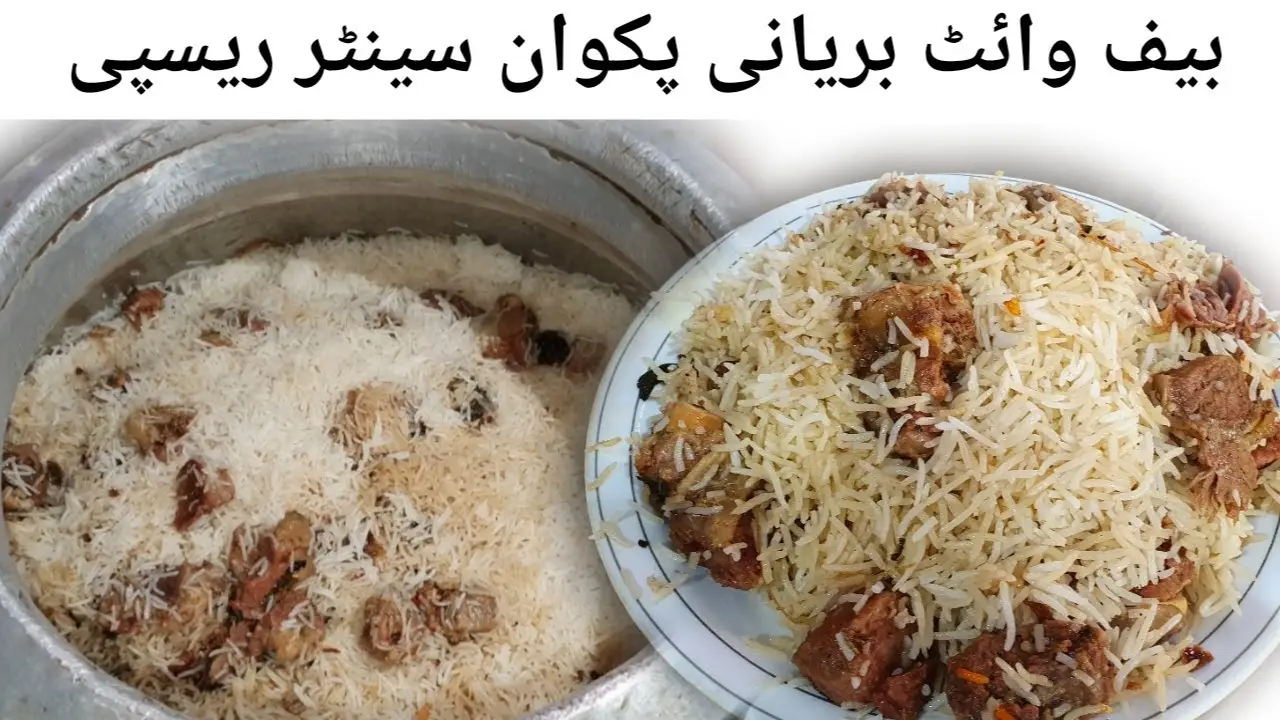
There is a quiet legend in Karachi that most tourists never taste. While the city is famous for its fiery red biryanis, the people who truly know food go looking for something rarer — the White Beef Biryani, made famous by Asad Pakwan Center near Nagin Chowrangi. The first thing that hits you is the aroma: no heavy red masala, no food colour, just the deep warmth of whole spices, white pepper, and slow-cooked beef rising off the rice in a cloud of steam.
What makes this white beef biryani recipe so special is its restraint. Instead of leaning on red chilli powder and colour, it builds its entire soul on a spice-rich yakhni (broth), green chillies, and a master blend of whole spices finished with nutmeg and mace. The result is a biryani that is mild but warm, intensely aromatic, and so fragrant that every single grain of rice carries the flavour of the meat.
In this recipe we have documented the exact commercial degi process — the same one used behind the closed doors of professional pakwan centers — so you can recreate it at home. If you want to build a full dawat around it, it pairs beautifully with our smoky Shinwari Beef Kabab or a platter of succulent Chicken Reshmi Kabab. Let’s get into the secrets.
📍 Where to Eat the Original in Karachi
Restaurant: Asad Pakwan Center
Area: Near Nagin Chowrangi, Karachi
Famous For: Commercial-style White Beef Biryani (Degi Yakhni method)
Can’t make it to Karachi? The full recipe below lets you recreate this exact taste at home.
Watch the complete recipe above before you start cooking.
What Makes This White Beef Biryani Special
The Yakhni (Broth) Base: This is the heart of the dish. Instead of boiling rice separately in plain salted water, the beef is simmered slowly in a spice-rich bath until the marrow and juices melt into the liquid. When the basmati hits that yakhni, it drinks in the soul of the meat — which is why every grain tastes of the biryani, not just the rice.
White Pepper Instead of Red: The signature “white” look comes from a deliberate choice — no turmeric, no red chilli powder, no food colour. The heat comes entirely from freshly ground white pepper and green chillies. It gives you a biryani that is warm and spicy on the tongue but pristine and pale to the eye.
Nutmeg & Mace Finish: The “heart” of Karachi pakwan-style aroma is jaifil (nutmeg) and javitri (mace), added right at the end so the fragrance doesn’t cook away. This single step is what separates a home biryani from one that smells like it came straight out of a commercial deg.
Why This Asad Pakwan Style Biryani Works
The beauty of this recipe lies in patience. Most home cooks rush the rice and boil it in plain water — but here, the rice cooks in the residual moisture of the beef masala. As the basmati absorbs that flavoured steam during dum, it stays separate, non-sticky, and packed with flavour. Combine that with the two-stage rice boiling technique in the recipe below, and you get a biryani where the bottom layer is rich and soaked while the top stays fluffy and firm.
Flavour Profile
🌶️🌶️ Spiciness — Mild but warm
🌸🌸🌸🌸🌸 Aroma — Intense whole spices
🥛🥛 Richness — Yogurt & oil base
The Complete White Beef Biryani Recipe
Original Karachi Degi White Beef Biryani (Asad Pakwan Style)
Ingredients
Method
- In a large commercial pot (Deg), add 4kg beef, tomatoes, sliced onions, and all the spices mentioned in Step 1. Add 500g yogurt and 500ml cooking oil. Pour in 2.5 liters of water.
- Cover and cook on high flame for the first 5 minutes. Then, reduce the heat to low and simmer for approximately 1.5 hours. The goal is to get the meat 100% tender while maintaining a rich gravy (Yakhni).
- Once the meat is tender, add the fresh herbs (coriander/mint), whole green chilies, plums, fried onions, and the secondary spices (nutmeg, mace, chili flakes, and white pepper). This creates the final aromatic punch of the Biryani.
- Boil 4kg of soaked Basmati rice.
- Layer 1: Take out 2kg of rice when it is 70% cooked and spread it over the beef masala.
- Layer 2: Let the remaining 2kg of rice cook until it is 90% done, then spread it as the top layer.
- Add 1/2 liter of the leftover rice boiling water over the top. Cover tightly and cook on high flame for 5 minutes, then on low flame for 12 minutes.
- After the Dum, pour the remaining 500ml of hot cooking oil over the rice to give it that professional shine and non-stick texture. Mix gently from the sides and serve.
Video
Notes
7 Professional Degi Secrets for Perfect White Biryani
Secret #1 — The White Pepper Punch: Always use freshly ground white pepper. It delivers the heat without ever changing the iconic white colour of the rice — pre-ground powder loses its punch fast, so grind it fresh if you can.
Secret #2 — Two-Stage Rice Boiling: This is the technique most people miss. Boil the first half of the rice to 70% and the second half to 90%. The softer bottom layer soaks up the yakhni while the firmer top layer stays fluffy — if you boil it all to the same level, the bottom turns to paste.
Secret #3 — The Yakhni Ratio: Never discard the meat broth. The rice must cook in the residual moisture of the beef masala to stay flavourful and non-sticky. Too dry and the rice scorches; too wet and it turns mushy — aim for a thick, glossy gravy before layering.
Secret #4 — Nutmeg & Mace (Jaifil Javitri): These two spices are the heart of Karachi pakwan-style aroma. Add them at the very end so the fragrance doesn’t evaporate during the long cook — added too early, the magic is gone before you serve.
Secret #5 — High-Flame Start on Dum: Always begin the dum on high flame for the first 5 minutes to create high-pressure steam inside the pot. This locks the aroma in before you drop to low heat for the slow finish.
Secret #6 — The Oil Finish: Pouring hot oil over the rice after the dum gives it that professional shine and keeps the grains from sticking together — it’s the trick that makes home biryani look like it came from a deg.
Secret #7 — Quality of Basmati: For a large recipe like this, use extra-long-grain aged basmati (Sella or 1121). Older rice has less moisture, so the grains stay long, separate, and unbroken instead of clumping.
Tips Before You Start
Check the meat before layering: Beef timing varies with the cut and the animal — always test a piece for tenderness before you start the rice. If you layer rice over half-cooked beef, the meat will stay tough no matter how long the dum runs.
Don’t over-mix after dum: Once the biryani is done, use a wide flat spatula and lift gently from the sides. Stirring aggressively breaks the long grains and turns the bottom into mush.
Keep the colour clean: Resist the urge to add turmeric or food colour “just a little.” The entire identity of this dish is the pale, aromatic look — one pinch of turmeric and it stops being a White Biryani.
Storage and Serving
White Beef Biryani keeps well in the refrigerator for up to 3 days in an airtight container. To reheat, sprinkle a little water over the rice and warm it on low flame with the lid on, or microwave it covered so the grains steam instead of drying out. Serve it hot with a side of zeera raita and a fresh kachumber salad — the coolness of the yogurt balances the warm whole-spice aroma perfectly.
Frequently Asked Questions
Why is there no red chilli powder in White Biryani?
The secret to the white look is avoiding turmeric and red chilli powder entirely. The heat comes exclusively from white pepper (dakhni mirch) and green chilli paste, which keeps the colour pristine while still delivering a proper spicy kick.
Can I substitute beef with chicken or mutton?
Absolutely. Just remember chicken cooks much faster — reduce the simmering time from 1.5 hours to about 20–25 minutes so the meat doesn’t shred. Mutton works too and follows the same timing as beef.
Why do we boil the rice in two different stages (70% and 90%)?
This is a professional degi secret. The bottom 70% layer absorbs the remaining moisture from the yakhni, while the top 90% layer stays firm and fluffy. It prevents the bottom from becoming a paste and the top from staying raw.
What if I don’t have dried plums (aloo bukhara)?
Dried plums add a subtle tanginess that cuts through the rich beef fat. If unavailable, add a tablespoon of lemon juice or a little extra yogurt in the masala stage to keep that balance of flavour.
How do I make sure the rice doesn’t break?
Use high-quality aged basmati, don’t over-boil it in the two-stage step, and avoid stirring once it’s layered. After the dum, mix gently from the sides with a wide spatula rather than digging through the middle.
What is the best way to serve White Beef Biryani?
For the full experience, serve it with zeera raita and a fresh kachumber salad. The cool, tangy yogurt is the perfect partner to the warm, aromatic spices in the rice.
More Meat Masterpieces from Cooking with Kawish
If you loved this aromatic journey, don’t miss our other restaurant-style favourites:
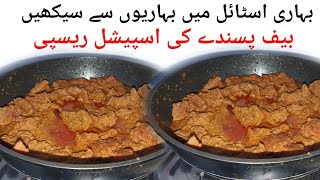
- Dua Restaurant Beef Bihari Boti — melt-in-your-mouth texture with authentic Bihari masala.
- Al-Tawakkal Beef Pulao — the famous Karachi yakhni pulao, slow-cooked to perfection.
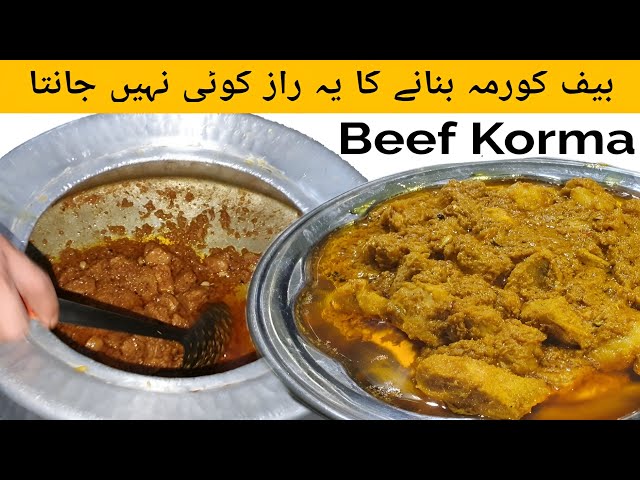
- Special Danedar Chicken Korma — rich, grainy korma the way the pakwan centers make it.
Join the Cooking with Kawish Community
Instagram: @cooking_with_kawish — Tag us to get featured!
Facebook: Cooking with Kawish
YouTube: Subscribe for new recipes
TikTok: @cookingwithkawish
Happy Cooking!