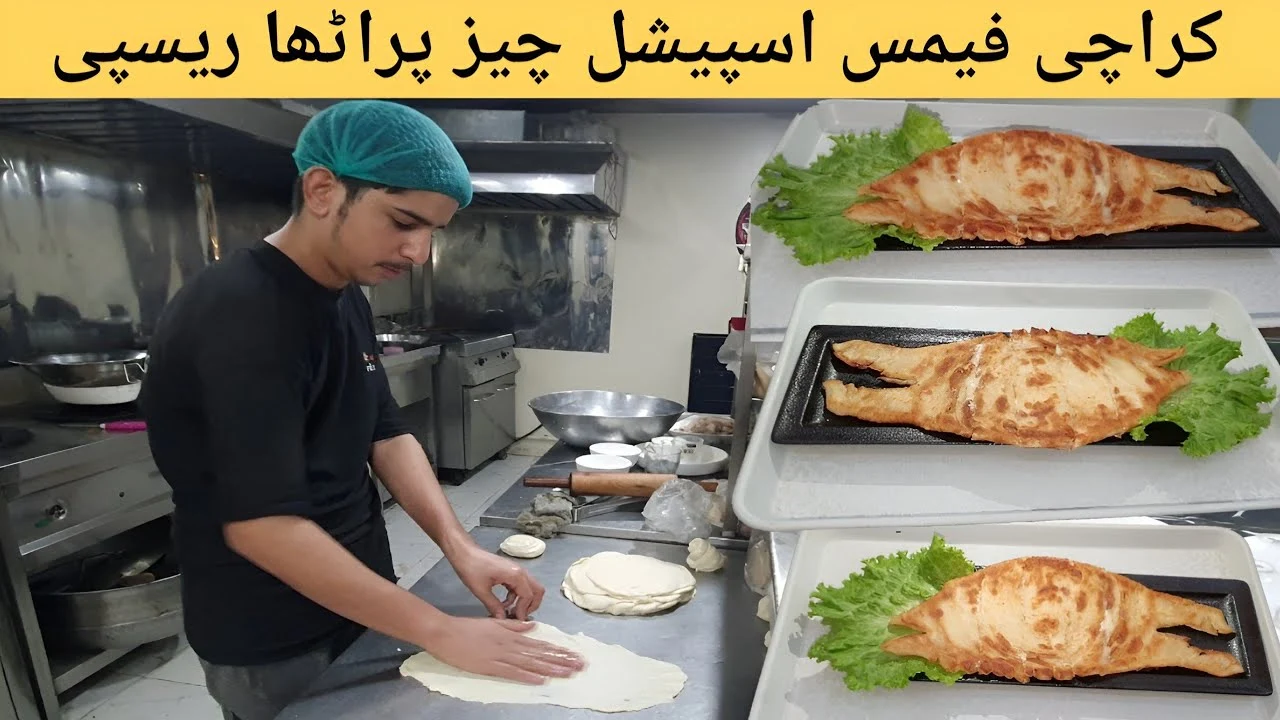
Ingredients
Method
Step 1: Activating the Dough Base
- In a large mixing bowl, combine one glass of water with one cup of milk. Add the beaten egg, salt, and 2 tablespoons of glucose. Mix thoroughly for 4–5 minutes. This step is vital to activate the ingredients and ensure the dough yields a golden, crispy result.
Step 2: Kneading and Resting
- Gradually add 800g of fine flour to the liquid mixture. Knead until you achieve a smooth, elastic dough. Cover the dough and let it rest at room temperature for at least 30 minutes.
Step 3: Preparing the Pedas (Dough Balls)
- After resting, apply ghee to your hands and divide the dough into medium-sized balls. Coat each ball with ghee and let them sit for another 10 minutes to make the dough more pliable.
Step 4: The Professional Cone Technique
- Roll out a dough ball into a thin sheet and apply a layer of ghee. Make a cut from the center to the edge and roll the sheet into a "Cone" shape. Press the cone down vertically to form a layered circle. This traditional method creates multiple flaky layers (lachha).
Step 5: The Cheese Filling
- Gently roll out the layered dough ball. Place 2–3 slices of Cheddar cheese in the center. Fold the edges over to seal the cheese inside, then roll it out again into a thick paratha. Be careful not to press too hard, or the cheese might leak.
Step 6: Frying to Perfection
- Heat a flat griddle (tawa) and place the paratha on it. Add a generous amount of ghee around the edges. Fry on medium heat for 6–7 minutes, flipping occasionally until both sides are deep golden brown and the layers become visible and crispy.
Step 7: Serving
- Once cooked, cut the paratha into triangles while hot to see the melted cheese pull. Serve immediately with a hot cup of Karachi’s famous Doodh Patti (strong milk tea).
Video
Notes
The Glucose Secret: Glucose is the secret ingredient used by commercial chefs to give the paratha its signature golden color and a subtle hint of sweetness.
Ghee vs Oil: Always use ghee for frying if you want that authentic, flaky "Quetta Style" texture. Oil makes the paratha soft rather than crispy.
Fine Flour: Look for "Fine Flour" or "Sufaid Atta" in stores; it has a different protein content than standard whole wheat flour, which is essential for these layers.